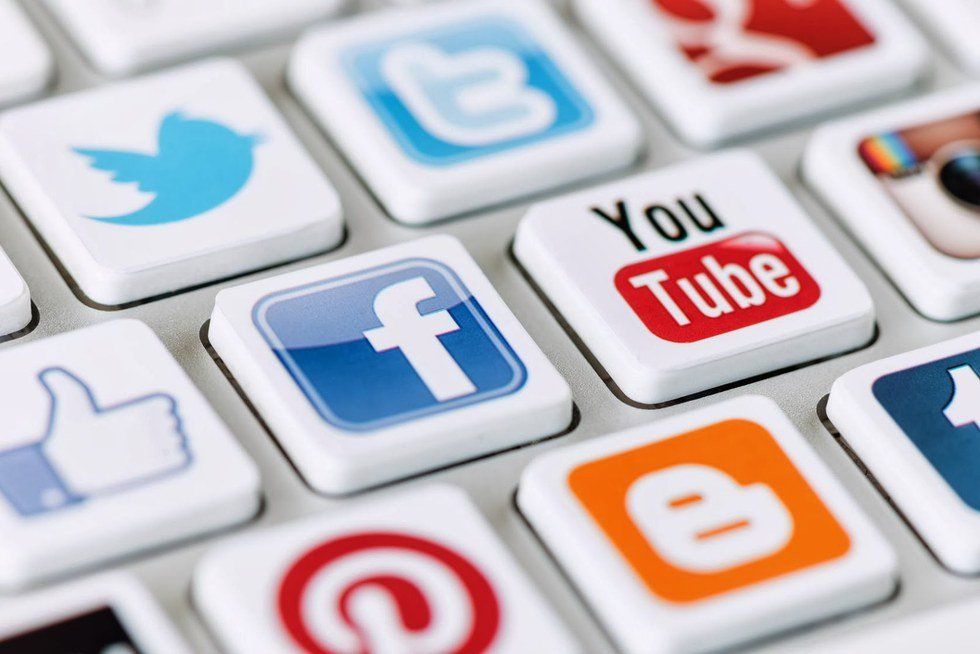
As children of the digital age, many young millennials, myself included, cannot recall a time in our lives where social media and the internet did not play an influential part. I often find myself mindlessly browsing Twitter or Instagram throughout my day, or lost within the depths of YouTube or Tumblr late at night. At times, I feel as if many of us in this new digital age do not take advantage of social media the right way. I know there are times when I am certainly guilty of this. With networking and posting on social media constantly on our minds, it can be easy to get wrapped up in how many followers or likes we can get on a post. As a generation growing up in a world where we have a plethora of knowledge constantly available to us at just a click of a button, we often take this privilege for granted. We should utilize this opportunity to make a difference, if not on the rest of the world, then at least on ourselves.
Although social media has allowed for information to be spread faster than ever before, a lot of what is posted and shared around the internet does not always prove to be 100 percent true. In daily conversation, I often hear people citing their sources with phrases such as "I saw it on Facebook," or "someone posted about that on Twitter." Oftentimes, the media tends to exaggerate or create false information. Anyone could simply go online and post whatever they please, regardless of whether or not this information is accurate. With this in mind, one should always research and find out the truth behind the news for themselves.
With the upcoming Presidential election this November, the importance of educating oneself about what is going on in the news is crucial now more than ever. I know for myself and many of my peers, this election will be our first time voting for a future President of the United States. Hillary Clinton and Donald Trump, the Democratic and Republican candidates, respectively, are two of the most controversial figures in politics at the moment. As a result, a lot of information is being thrown out onto the internet and social media, regardless of whether or not it is true or false. In order to know the difference between something that is true or completely fabricated, we need to be accurately informed. This can be done by using reputable sources, checking the news often, and not relying on a Twitter post from a friend to keep you updated on worldly events. At the end of the day, the responsibility belongs to us to take the initiative to become educated outside of social media.
As a generation, we don't have to be misinformed or naive. We can use the power of the internet to create a lasting impact on ourselves, our peers, and the rest of society. All the answers we could ever want are available to us, we just have to click the Search button.