When the shooting at the Pulse nightclub in Orlando, Florida happened, it was deemed "the deadliest mass shooting in the United States and the nation's worst terror attack since 9/11..." by CNN. The outcry of grief and sympathy was heard around the world as various locations held vigils for the victims and their families.
However, an eerily similar, if not worse, the attack occurred back in 1973, 43 years before what took place at Pulse.
Yet, I haven't heard anything about it until I attended a panel on the history of LGBTQ+ people and culture.
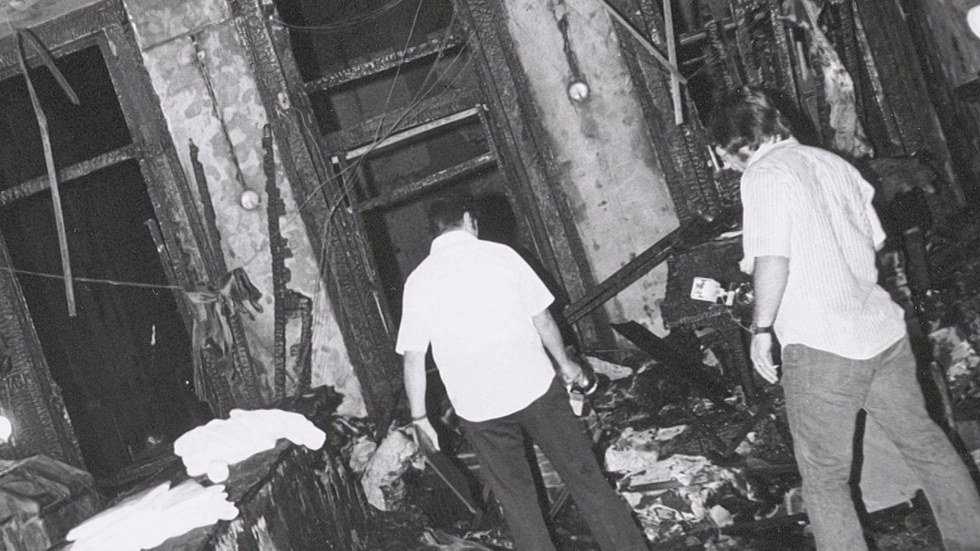
I haven't heard or seen anything in regard to vigils held or people remembering the event that took the lives of 32 people in a New Orleans gay bar called The UpStairs Lounge.
And neither had the director of the documentary covering it until she watched an episode of "Ghost Hunters." The massacre was titled the Jimani Massacre or French Quarter Massacre and the episode aired September 19th, 2012.
Enter Sheri L. Wright, a two-time nominee for the Pushcart Prize and Kentucky Poet Laureate, who wanted to know more about this tragedy she had never heard about until seeing that episode.
Out of that, the documentary "Tracking Fire" began to form. That was almost four years ago. Most of the budget has been made through fundraising efforts, donations, and even from Wright's own pocket from selling her artwork and "anything of value." Wright wants to tell this story in order to make it known and to help the families who have lost so much to find closure. It was at the end of the road for the film to be finalized when the Pulse tragedy occurred.
At the panel I attended, Wright explained that the hardest thing to get isn't people to interview, but the funds to keep up with expenses for the film. She stated that as soon as she would fly back from New Orleans, the phone would be ringing off the hook with people who wanted to interview for the film. However, the one snag she did find was getting interviews from the mayor of New Orleans, and the police department about the investigation into tracking down the arsonist. Neither of them would reply to her inquiries of setting up an interview about it.
This is problematic as well as frustrating since having a tragedy like this to seem so swept under the rug contrasts with what happened in Orlando.
And the reason why is that the acceptance and treatment of the LGBTQ community are vastly different now compared to 1973.
But that doesn't mean things today are way better. Instead of calling it a hate crime fueled by homophobia, it's been swept into a campaign of Islamophobia as some evidence points to the culprit being aligned with ISIS, much to the surprise of anyone who knew him. This may seem better than just sweeping it away into hiding in general like they did with UpStairs, but it still doesn't address the problem of intolerance and acceptance of people who are different. It doesn't change the fact that the people who died were targeted because of who they were. It doesn't change the fact that history is important to know from all sides, especially those who have been oppressed in the past.
This is why films like Wright's "Tracking Fire" are so important. They bring to light an unflinching perspective on what life was like for the LGBTQ community, and rather than ending the film with an end card about another similar tragedy that just happened, she decides to revamp her film to cover both crimes equally. To show that because a lot has changed for the better, it doesn't mean we still do not have a long path to travel.
To learn more about the documentary "Tracking Fire" or to support byTo learn more about the documentary "Tracking Fire" or to support by donating, visit trackingfire.com.
The author of this article would like to thank Sheri L. Wright, the other panelists, and the LGBTQ+ campus organization for doing this event.