
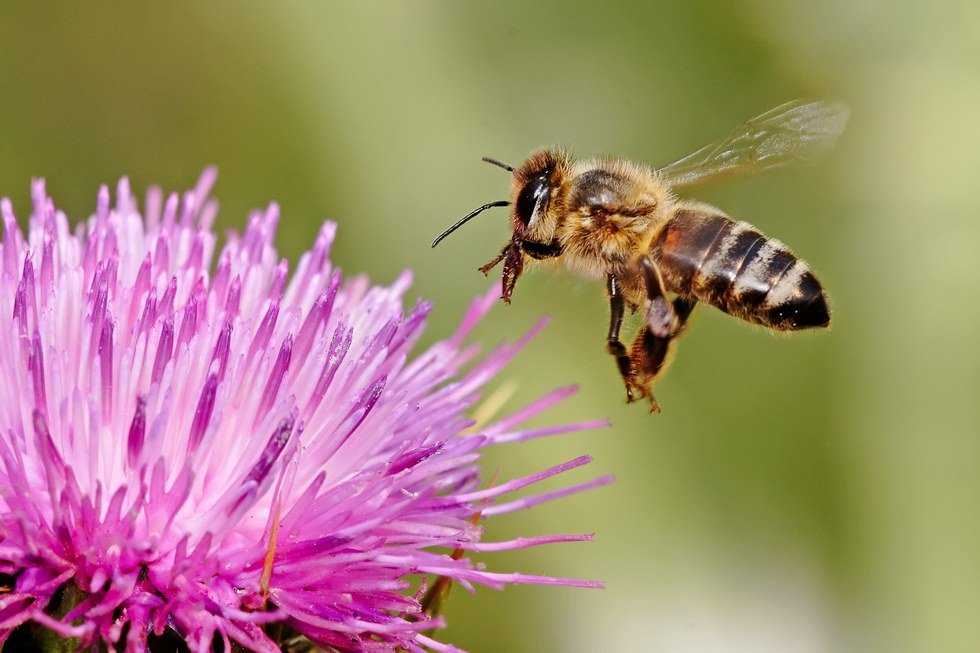
Bees. According to the International Bee Research Association (IBRA), earth is home to more than 25,000 species of bees. That seems like a lot of bees, right? And even more, when they colonize your garden and chase you around the house. Most people I know would wrinkle their noses at the mention of bees, and their disdain stems from justifiable reasoning: bees can induce painful bumps or anaphylactic reactions. While the fear of bees is understandable, it is not in humanity’s best interest to get rid of them.

(http://shaunynews.com/category/cover-ups/)
Before running off to grab a torch or that one-gallon tank of Raid you keep on hand, stop to appreciate bees and learn about their important lives. Honeybees, for instance, are the reason your tea is so soothing during a bout of strep. Honey, extracted from the hives of bees, literally sweetens our lives and helps to feed other animals, such as bears. Additionally, the aroma of lilies on a lover's evening would evaporate if the bees were to disappear. Bees are workers, beautiful collectors of atoms that pollinate flowers, design and build homes, and they fill those homes with honey. They work with love and passion, leaving no room for laziness or mistakes. Yet, they are slowly disappearing.
If you think I’m joking about the loss of bees, a little research on the Internet can inform you that their continuing disappearance is an imminent problem. The IBRA cites climate and pesticides amongst the factors scientists have found aiding in the disappearance of the bee, particularly the honey bee. The demise of bees could actually bring about the decline of the human race on earth, as many of our crops would die due to a lack of agents in the pollination process.
Before stepping on that bee, remember how important they are for life on earth and that they are in danger. The re-population of bees could bring about a newly flourished earth, as well as inspiration for our own work ethic. Allow the bees to as you sweeten your biscuits with honey, that only exists by their courtesy, and try, as best you can, to ignore the urge to stomp on them.
Reference:
"FAQ's." IBRA. International Bee Research Association, n.d. Web. 23 Aug. 2015.
(Go to http://www.ibra.org.uk/ for more information on bees.)