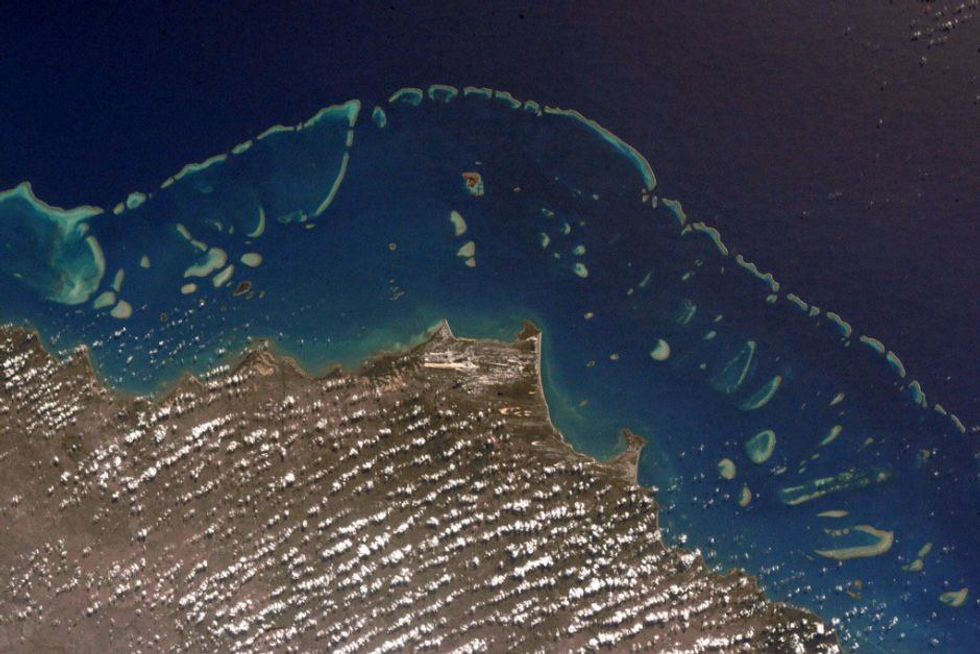
One of the Seven Wonders of the Natural World is the Great Barrier Reef, an approximately 20-25 million year old structure formed by corals that has lived on the eastern coast of Australia since the Miocene era and stretches over 1400 miles in length. Considered to be not only the largest living structure, but the only living structure seen from space, the Great Barrier Reef is home to over 1500 species of fish, as well as hundreds of coral, mollusks, and birds.
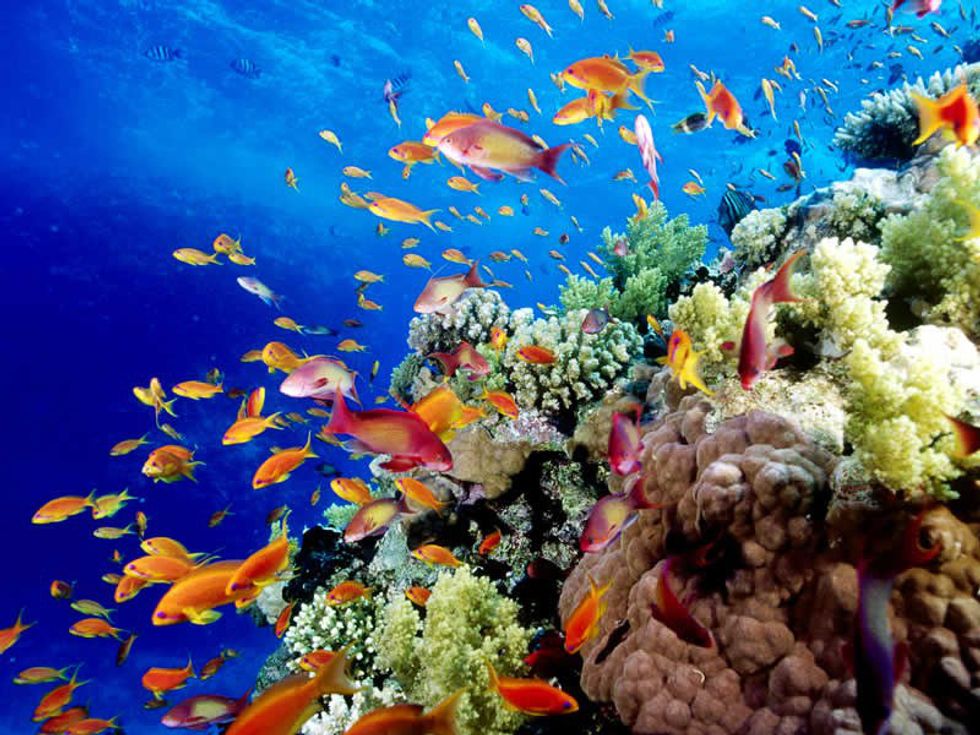
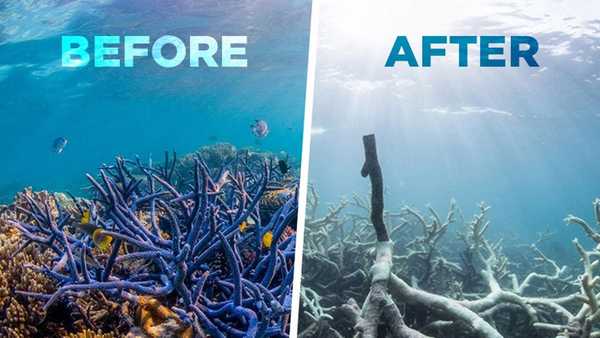
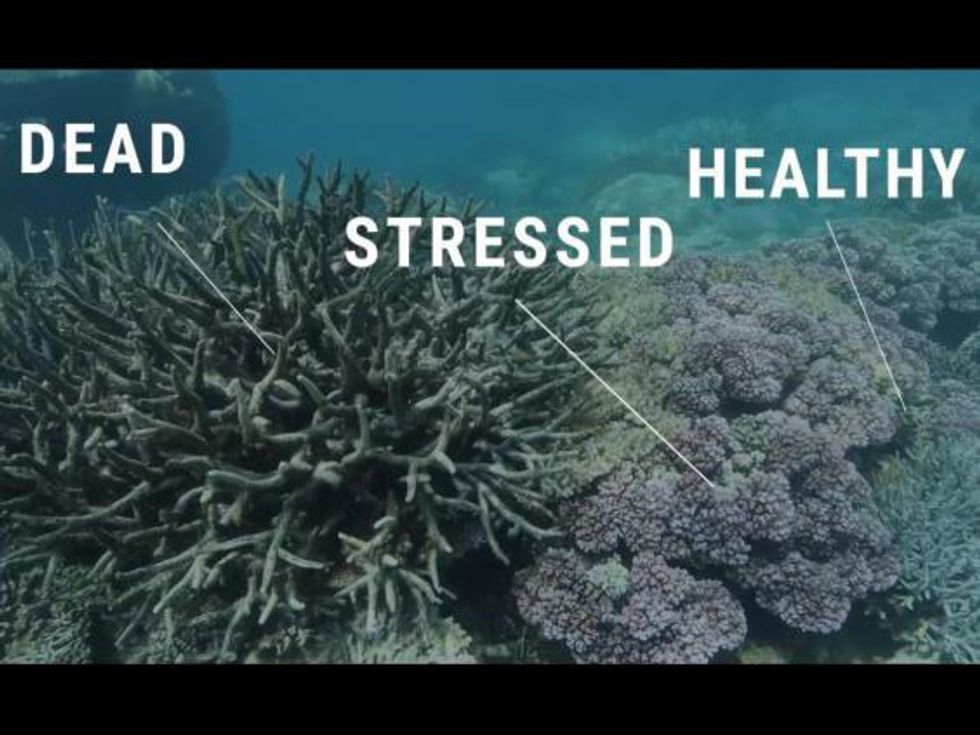
Soon, we may no longer be able to refer to the reef in the present tense. This monolithic beacon, beloved by sea creatures, Aussies, and marine biologists alike, has been in constant suffering since the 1960s, when the Australian government began to lease the reef to various mining and oil companies worldwide. This led in turn to the Save The Reef movement in 1975 and various developments to preserve the reef. But as the decade went on, the Great Barrier Reef slowly evolved, becoming the symbol of humanity's influence on nature. In 1998, the reef experienced its first mass-bleaching when the algae, which provides the corals with nourishment as well as their colors, began producing too much oxygen due to climate change and as a result, 2/3 of the now white corals of the inner reef began to starve and died several months later. Now, over 90% has been affected and approximately 1/3 of the reef has perished.
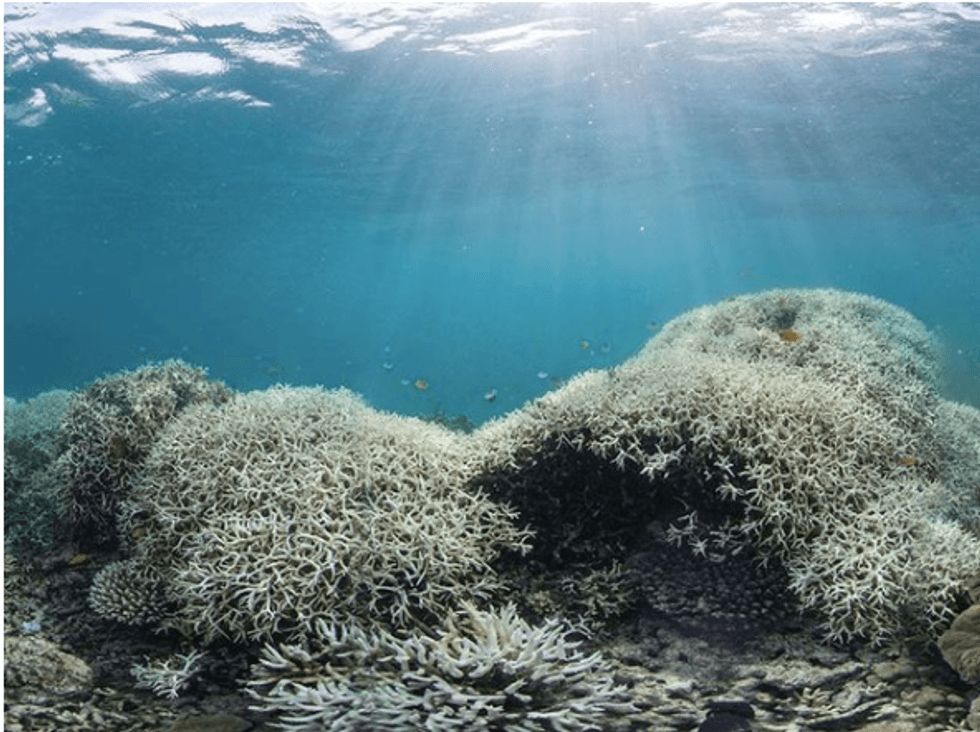
Today, Outside Online posted an article titled Obituary: Great Barrier Reef (25 Million B.C.-2016). Naturally, humanity went into panic. Scientists did as well, and quickly let people know that it is not officially dead. However, it is dying, and marine biologists are working harder than ever to save it.
If the reef has any chance of the survival, Australia will need a significantly improved water quality, which will occur via reducing oceanic sedimentation and pollution, as outlined in the Great Barrier Reef Water Science Task Force Report. However, that's not an easy task. To enact this would cost AU$8.2 billion (6.3 billion in U.S. currency), which is 10 times what the government currently spends. Nevertheless, it's a journey that Australia is willing to take. Queensland has agreed to every recommendation outlined in the Report.
"We have agreed, or agreed in principle, to also review the reef water quality targets, better communicate how everyone can improve reef water quality, use incentives to drive water quality improvements, pursue targeted regulatory approaches, develop a strategic investment plan, and simplify and strengthen governance arrangements," states Queensland's environment minister, Steven Miles.
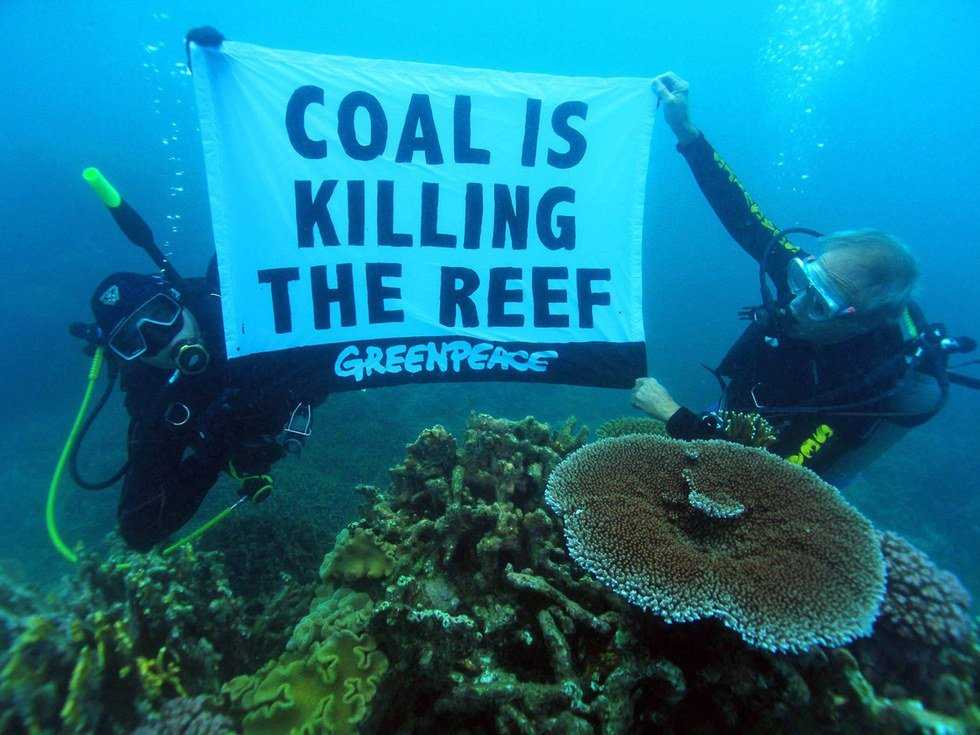
Fracking is killing this reef. Fossil fuels need to stay in our lands. If any government officials need proof, they have 1400 miles of it.