


Rape and sexual assault are horrifyingly frequent events. It is an often enough occurrence that there are several documentaries about the survivors and their attackers to raise awareness, to try and prevent others from enduring the same thing. In September 2016, one of these documentaries was added to the Netflix library, titled Audrie & Daisy.
I was morbidly curious, so I watched this heart-wrenching film. I originally didn't intend to write about it, but I became so enraged by what I had seen that I couldn't help it.
Within the first five minutes I was absolutely disgusted. It opens with animations of the interviews with Audrie Potts' rapists to protect their identities. The interviewer asks these boys about the case, and they dare to discuss how hard it's been on THEM.
"It was definitely very hard. I was really tormented in school. I was being bumped up in the hallway and being called a rapist. Yeah, a lot of harsh terms. My car got, um, spray-painted, and on the back it said 'For Audrie'." -John B. (one of Audrie's attackers)
As if being held accountable by their friends and peers for the death of their classmate was a horrible inconvenience for them.
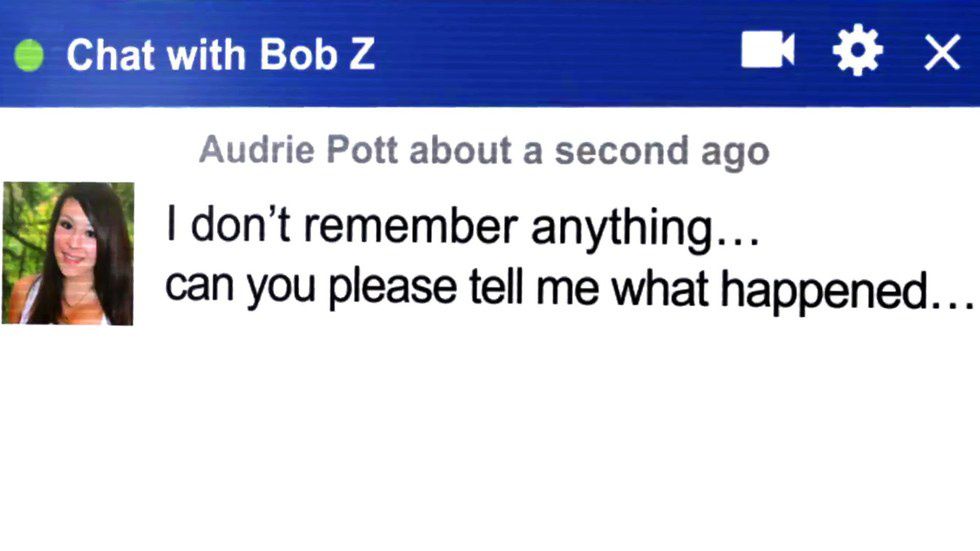
Listening to her parents and her friends talk about their absent loved one is awful. Listening to her attackers talk about how they undressed, wrote provocative phrases on, photographed, and sexually assaulted the drunkenly passed out girl is even worse. But, possibly even worse than that is hearing these boys still try and defend themselves. "She liked it." "She said 'Harder'." These idiots caused a mother to have to cut her daughter down from hanging in the shower. She was fifteen.
The film then shifts into Daisy Coleman and her friend Paige Parkhurst going over their recollection of the night they were both raped at a party. It includes evidence photos from the original investigation, video-taped interviews with the girls' assailants, and family members discussing the events of the next morning when they found Daisy in the yard and memories from her childhood.
The charges against Daisy and Paige's rapists were dropped two months later. The prosecutor said based on the evidence at his disposal, he believed dropping the charges was the right call.
"One of the parts that people have really blown out of proportion in this entire case is that everybody wants to throw the word 'rape' out there. It's very popular... Nothing that occurred that night ever, ever rose to the level of the elements of the crime of rape. Whether we agree with this or not, the people of that age in the state of Missouri can have consensual sex. Forcible compulsion is the primary component in the crime of rape, and it's just not there." -Nodaway County Sheriff, Darren White
The charges being dropped were most likely the result of one of the rapists being the grandfather of a state legislator. This event caused the town to split in half, people that believed Daisy, and people that did not. Apparently in Missouri, sex is considered consensual even if one of the participants is in a near-comatose state? Also, this dumb sheriff's job is to protect his people? It is literally his job. Instead of trying to find justice for these girls, he DEFENDS THE BOYS. He says the girls are as just at fault. An interviewer says "In this case, the crimes were committed by boys." Our dear sheriff responds with "Were they?" AND LAUGHS. He doesn't believe these girls that entrusted him with serving justice for them. I really thought at this point in the film that I physically could not be more disgusted, but I was very wrong.
The case was reopened, and not a single one of the boys were charged. Again.
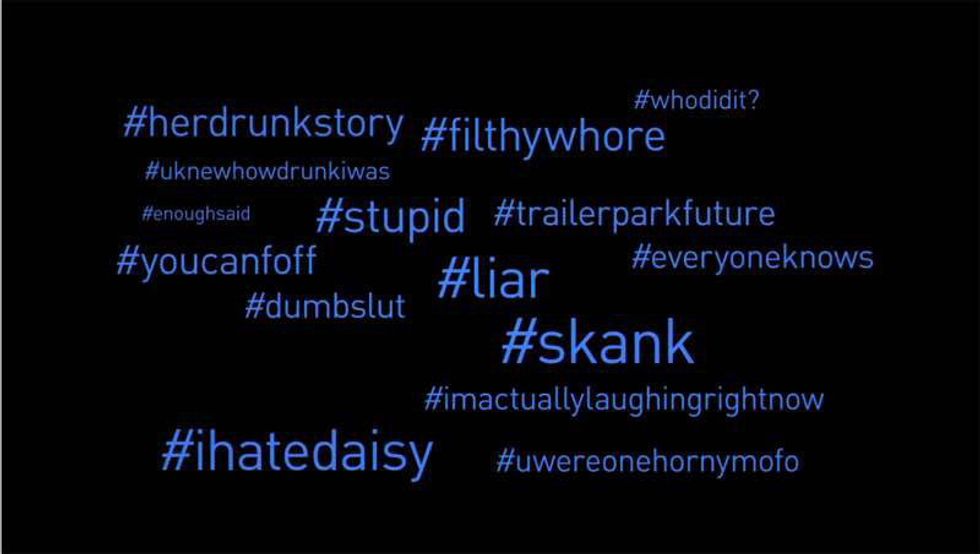
Daisy talks about how the online attacks made her change her opinion about herself. People were saying horrible things about her, her house was vandalized and was eventually burned down, and her mother lost her job. Her mother talks about watching her daughter mentally deteriorate. She recounts Daisy's self-harming tendencies and multiple suicide attempts.
Daisy and her mother travel to meet other survivors and their parents with an advocacy group to talk about their assaults and raise awareness, to let people know that this happens so much more than people would think. The group goes around the table telling their stories, and making sure they all know that they are not alone.
Videos from both Daisy and Audrie's high school graduations were included in the film. Daisy received an athletic scholarship, and Audrie's parents received an honorary diploma. Daisy and the girls from her advocacy group speak out and tell their stories publicly.
These horrible things that happened to the girls in this film is a nationwide phenomenon. It happens all. the. time. And it is sickening. Most girls do not press charges, or even tell anyone at all. Because they think that no one will believe them. The sad truth is, most of them are right. This documentary showed that the sheriff with medical evidence, with a positive rape kit, still did not believe Daisy. The people who commit these horrible crimes are never held accountable for their actions, and they know that they never will be. Not without their victim suffering immensely first.
Anonymity is perfectly fine. It's your experience, your body, and your life. That's up to you. But speaking out and standing up for yourself adds one more voice, one more story that might make the next girl's case more believable, that might actually result in a conviction.
"Since my friends didn't stand up for me, I urge other people to speak out, because you can't ignore an army of voices. I would like to see people stand up for others that have been assaulted, because the words of our enemies aren't as awful as the silence of our friends." -Daisy Coleman

















