
Cultural appropriation. #BlackLivesMatter. Reverse racism. The list goes on and on about sensitive issues in today's society.
From the video of Deputy Ben Fields removing a black student from class to the more recent conversation surrounding Beyoncé's politically-charged Super Bowl Performance, the media undeniably tries to present nearly every social trend as a situation in which one person or group discriminates against or purposefully offends another. While sometimes true, it is imperative to remember that this not always the case. It almost seems as if everyone can and does try to find a topic to be offended about, regardless of if it is justified or applicable.
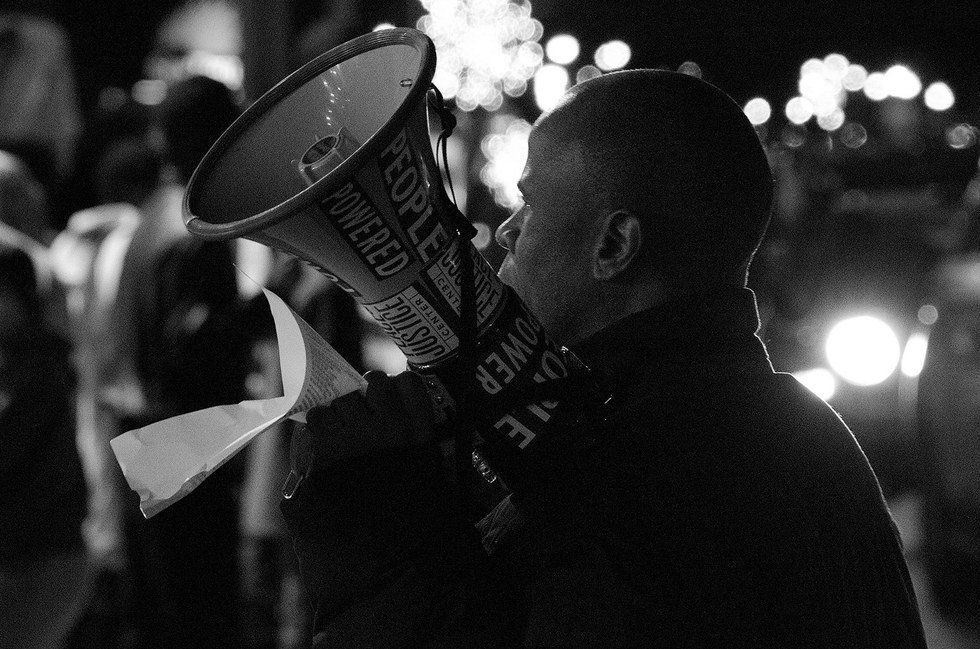
Take, for example, the ever-so-controversial #BlackLivesMatter movement. What started as a plea for the equal treatment of African Americans has spiraled out of control into an argument over white supremacy and the concept of trigger-happy caucasian police officers using excessive force against black citizens. This, in turn, sparked the outcry of #BlueLivesMatter, which rallies those in support of the police officers that faithfully serve our country, and #AllLivesMatter. The latter, as you can probably guess, expresses the idea that all lives are valuable regardless of skin color, religion, sexual orientation, or gender. While these are all important things to recognize, they are simple concepts that every person should understand without discussion or hesitation.
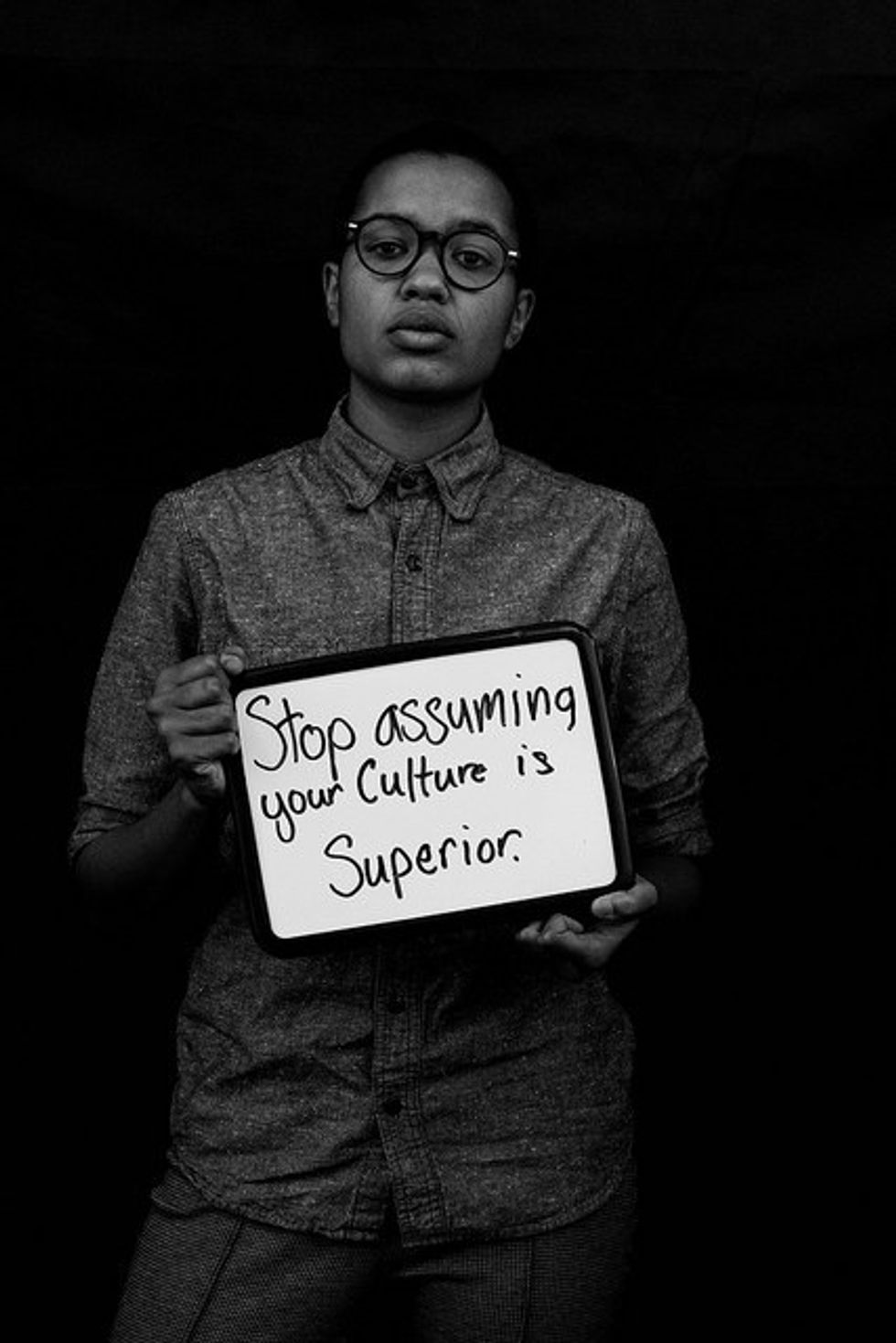
Similarly, some Twitter users have been clinging to the idea that reverse racism exists. I challenge those people and say that it is instead an understandable expression of anger from past oppression. While discrimination against blacks still happens today (I'll say that again: discrimination against blacks still happens today), the vast online universe has blown the issue far out of proportion. Instead of focusing on calling non-racist happenings "racist," we need to instead understand what racism really is and what it is not.
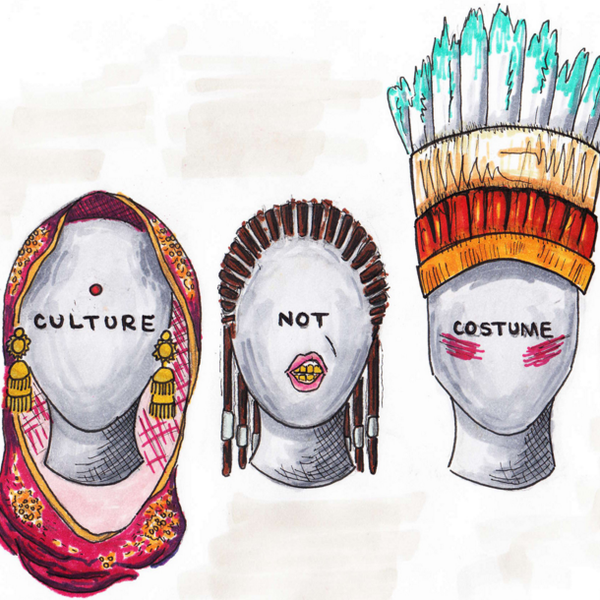
Lastly, the idea of cultural appropriation is becoming borderline outrageous. Getting angry at folks for wanting henna tattoos even though they aren't Indian makes no sense. Likewise, criticizing white people for styling their hair in cornrows is ridiculous. Unless the intention of the individual is to offend another person or culture, there really isn't a reason to get upset.
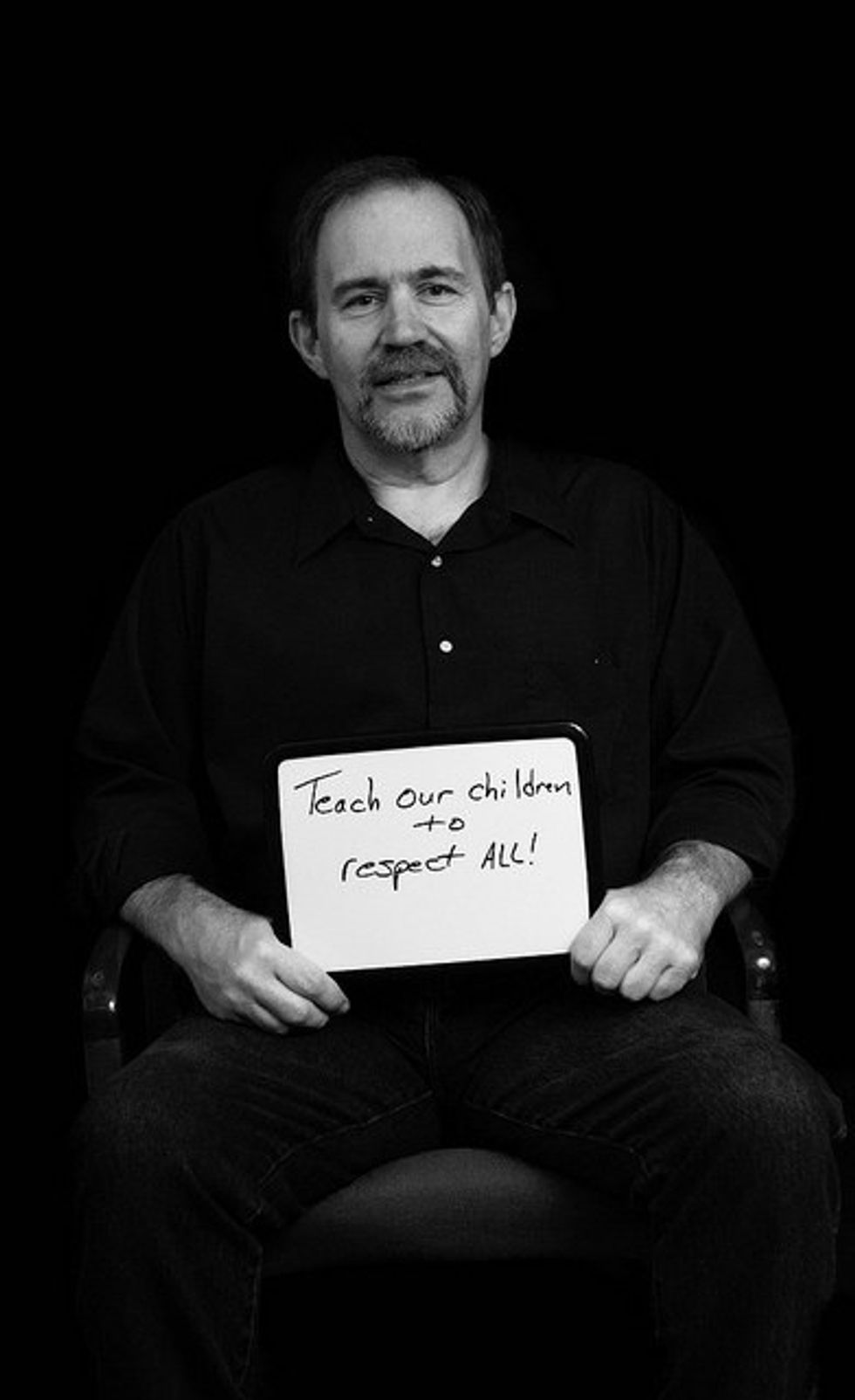
Many people are afraid to voice similar opinions for fear of being called racist or insensitive. It is my hope that this article is not perceived in this manner, since that is not my motivation for writing it. The purpose of this article is to encourage people to recognize what is and is not offensive, and to also understand that the world will not stop spinning to cater to the needs of the individual. Instead of focusing on calling other people out on their shortcomings and finding things to be offended by that really aren't offensive to begin with, our time would be much better spent working together to better society and fix its flaws however we can—together.

















