“But why would you be an engineer, you’re so artistic?”
Knees digging into the asphalt, I looked up at a family friend who was admiring my chalk drawing celebrating my sister’s graduation. I took a deep breath, covered in chalk and boiling in the 90 degree summer weather, I wasn’t really in the mood for this conversation.
From the day we could each hold a pencil, I was the creative sister and Cary, my sister, was the smart one. Of course, Cary was going to graduate high school and study to become an engineer, she is one of the smartest person I’ve ever met, but more importantly, she is artistically challenged. Can’t carry a tune, likes to color but can’t draw. But she’s an academic genius, so that stuff didn’t matter. Not quite the academic queen my sister is, I liked a little bit of everything. I liked to do my chemistry homework in between acts of musicals and write a computer program that creates art pieces. But because I have an incredibly encouraging family I found that what I really enjoy is a challenge and STEM fields were the perfect outlet for my academic leanings.
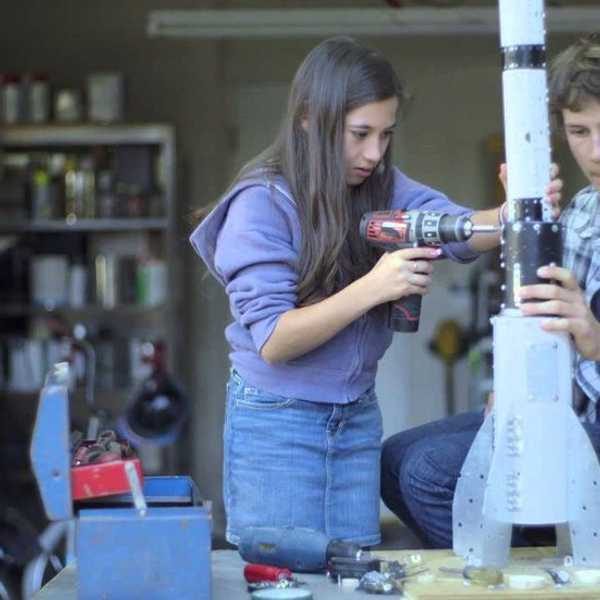
But because of this dynamic, it was increasingly frustrating to be told, and I swear this is true, that I was ‘wasting my artistic talent’ but choosing to major in engineering. Confused on why it’s not a waste of my mind to be anything other than an engineer, I was always struck by the ignorance towards STEM fields. Many engineers, doctors and scientists have very creative careers or outlets that allow them to use their artistic leanings to help them solve the world’s most complex problems.
I was able to ignore most of these comments until I became interested in computer programming during my senior year of high school. I spent every day of class being fascinated by my ability to create art, games, calculators, almost anything with a line of code and computer. In my little classroom I got to be surrounded by people who had the same enthusiasm for what I saw as a unique expression of myself as well as a great tool. When I mentioned to friends and family that this might be the career path that I wanted to pursue I experienced an extreme push back. “You’re much too personable,” “I wouldn’t want someone like you to get stuck behind a computer all day,” just some of the comments I received from concerned friends. The stereotype of programmers and engineers in general almost killed my spirit.
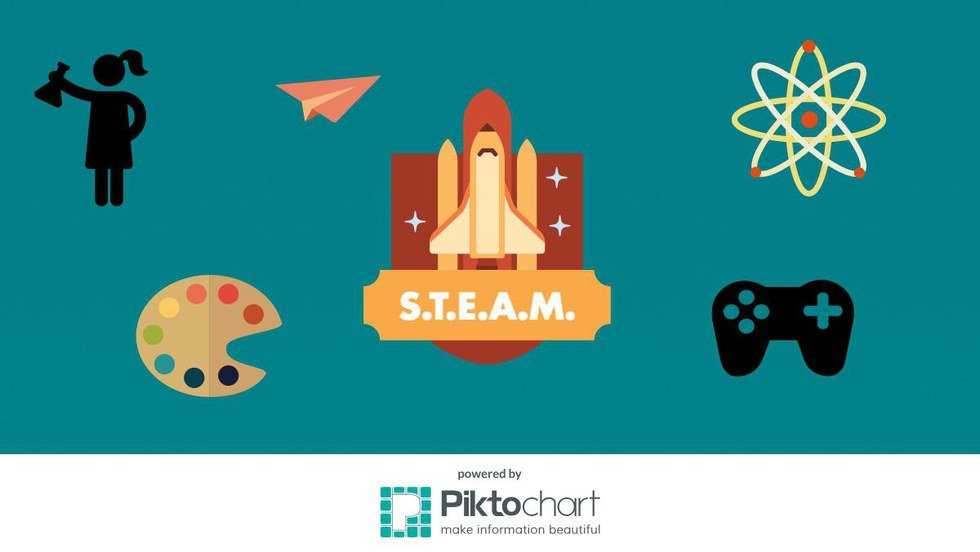
It is true that some STEM careers are fitting for people who aren’t very personable or creative but that is untrue of many options for anyone with a BS in engineering. Especially programmers, the people who work together in groups to build and launch your favorite and most beautiful video games and platforms. Art is one of the best motivators for STEM careers, which is why so many schools launch STEAM programs in their elementary schools that introduce kids to the basic principles of STEM by way of art projects. It is an ignorant thought to assume that STEM fields can only attract the unpersonable academics, especially when many engineers are required to have significant enough people skills to explain complex concepts to marketers and other laymen. Engineering is a field for anyone with a passion for problem solving and teamwork, so naturally it should attract more of our most creatively minded individuals, if only we could get passed it’s loner-esk stereotype.
After attempting to debunk this stereotype to my friend, I stared at my large scale chalk handywork and smiled. I then reminded myself that it doesn’t matter what anyone says or thinks, art will always be a part of my life even if it’s from behind a PC instead of an easel.