
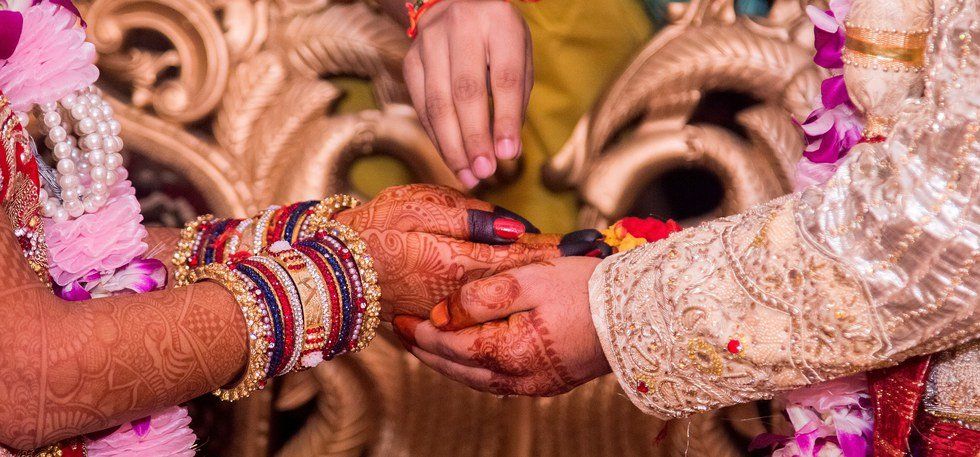
Arranged marriages are an old practice that nearly 90% of us Americans don’t give a second thought to. Growing up Bengali-American, the concept and practice of arranged marriages still carries through most families from Bangladesh, India, Pakistan and so on. I have plenty of Bengali friends who fear the thought of being forced to marry a son or daughter their parents have chosen for them. I’m not vouching for parents to tie down their children’s hands and feet and drag them through the marrying process—I simply mean to take a different approach to a dilemma that’s been haunting me my entire life.
Growing up, the most popular questions I got asked were “are you going to have an arranged marriage?” or “are your parents going to force you to be with someone you don’t want to be with?” Look, let me be honest—these questions were thrown at me carelessly, an afterthought, one that has impacted my past, present and probably future relationships. I’m a grown woman; I don’t need my parents to tell me or show me how to live my life. If my parents have done their job properly, then they should trust me to make wise decisions when it comes to choosing a partner. It’s the American, feminist and independent way to think. It's how I've been thinking.
However, as I look at my past relationships and the people my friends have dated and are currently committed to, I often find myself doubting if I know any better. People cheating on their significant other, couples entwined in flings, committing or being a victim of verbal and emotional abuse. Children are born from infidelity and affairs. It’s the norm these days—we shouldn’t judge others and they shouldn’t judge the way we live. When a Facebook status is updated with news of marriage, I find myself wondering how long it will last. America, in lack of better terms, is submerged in a world of the temporary. We are so caught up in achieving self-gratification and satisfaction, we forget to consider our partners. Not that America always gets it wrong; I do know my share of happy endings.
This doesn't change the fact that divorce rates are still on the rise.
I wonder why arranged marriages are so different and why they work. Most will say it’s against societal norms (in the respective societal norms of the arranged) to get divorced. This wouldn’t be an incorrect assumption, except that couples do separate. It’s just rare. Those societal norms don’t apply here in America. If these same couples wanted to divorce, they very well could like everyone else. They just don’t. Again, I ask, why? I had a conversation with a co-worker a few months ago who altered my views on arranged marriages. She pointed out the flaws in which most American’s choose their partners:
1. Attractiveness
Appearance is the last thing we should consider when seeking romantic companionship, but alas, it’s what most people emphasize and put first. When appearances fade, so does interest and intimacy.
2. Compatibility
Sounds like a good one, no? Most people only consider compatibility with just each other, though—they don’t consider nuclear family. Call me crazy, but I most certainly want my family and my future partner’s family to get along.
3. Compromise
Again, seems like a no-brainer. But, no one is willing to meet the other half way.
The list goes on and on. God forbid you have a conversation about having children, especially if you want to incorporate religion or ethics as a guide to raise them. Are your families compatible outside the two people in the relationship? Do you even want the extended family involved? What role do paychecks play? Where do you prefer to live in the future? Are you both compatible just in the moment, or for the long run? Do your political views match? It all comes down to basic communication, something we seem to lack.
People these days don’t ask the important stuff, at least not until it’s time to tie the knot. That’s where the issue lies, in my opinion—after so much emotional investment has been spent. At that point, it’s too late. So, people convince themselves love is enough and it will all work out or it won't happen to them; "they're different." Perhaps that’s where the failings of most relationships stem from. Arranged marriages tackle these issues head on.
My parents had an arranged marriage. They are not a perfect couple. They have their issues, like everyone else. What separates them from the rest is that my parents share common roots, familial experiences, traditions, values and outlooks that make their relationship successful.
I can’t deny that no matter how awful the situation arranged marriage couples are thrust into, they rise above them.
I can’t deny the success rate these marriages have shown.
I can’t help but think that maybe arranged marriages are getting it right.