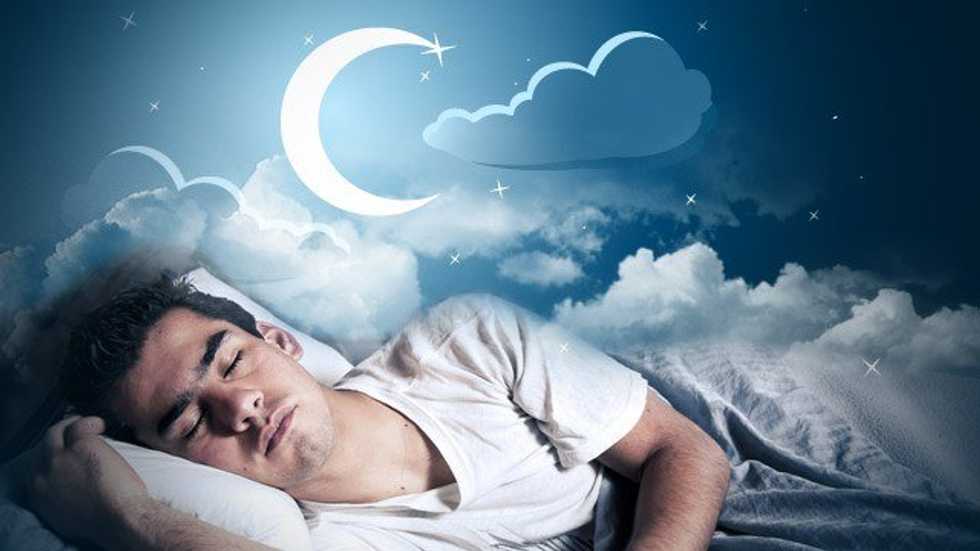
Why not write a piece about sleep when you feel sleep-deprived. According to the article "The Body-Wrecking Effects of too Little Sleep," 40 percent of Americans say they get less than seven hours of sleep daily. Take the example of medical residents and their classic sleep deprivation.
According to an NPR article, “Is it safe for medical residents to work 30-hour shifts?” I am sure we would all say, “No,” especially if we knew that sleep-deprived resident was going to be the next doctor examining us and ordering all kinds of tests.
Bad things happen when residents don’t sleep, for instance, sleep-deprived residents are more likely to put themselves and the patients at risk when they do procedures such as inserting lines or suturing. Even the act of driving home after spending long hours at the hospital can contribute to more auto accidents after long shifts.
That’s just one example of the effects of sleep deprivation on a macro level. What about the micro level, or just you and me? The lack of sleep seriously affects our health. There is a myriad of problems associated with a lack of restorative sleep. Let’s name a few: weight gain, poor memory, mood swings and even vision changes. One interesting research study suggests that “One night of total sleep deprivation may be as detrimental to insulin sensitivity as six months on a high-fat diet.
The research demonstrates the importance of adequate sleep in maintaining blood sugar levels and reducing the risk for metabolic diseases like obesity and diabetes.” Besides all these scary health problems, sleep deprivation puts our work-life balance in jeopardy since it affects memory and makes us moody.
In addition to claims about the effects of sleep deprivation, it is time to look at some myths about sleep. For instance, we all think we can just make up for our lost sleep by sleeping more on the weekends. That’s false. Our sleep schedules need to be just that—schedules.
When we overcompensate on the weekends, we throw our circadian rhythms out of whack and get our bodies out of sync with our lives and environment. Some of us think that falling asleep while watching television is a good idea to relax us to sleep, (guilty as charged). Again, false.
Television in our bedrooms is detrimental because it displaces sleep. The show’s content lingers with us and contributes to the “racing mind,” and that infamous blue light generating from screens throws off our circadian rhythms.
Finally, let’s banish the myth that naps are harming us. Naps serve an important function for the bleary-eyed. When you are tired, the body knows. Naps can increase our alertness, mood, and increase productivity and even safety (ask the doctors in training).
All this research made me tired. Here’s to sleep – or at least – a nap.