Our world and generations have been changing constantly over these last two decades. Our society has come a long way since 1984, when the first-ever mobile phone, the Motorola Dyna Tac came out. We’ve gone from only getting to make calls to making calls, plus having access to information on sites such as Google, right at our fingertips.
Many schools across America have initiated the Bring Your Own Device ( BYOD) act, where students are allowed to bring cellular devices, plus other electronic devices for educational purposes only.
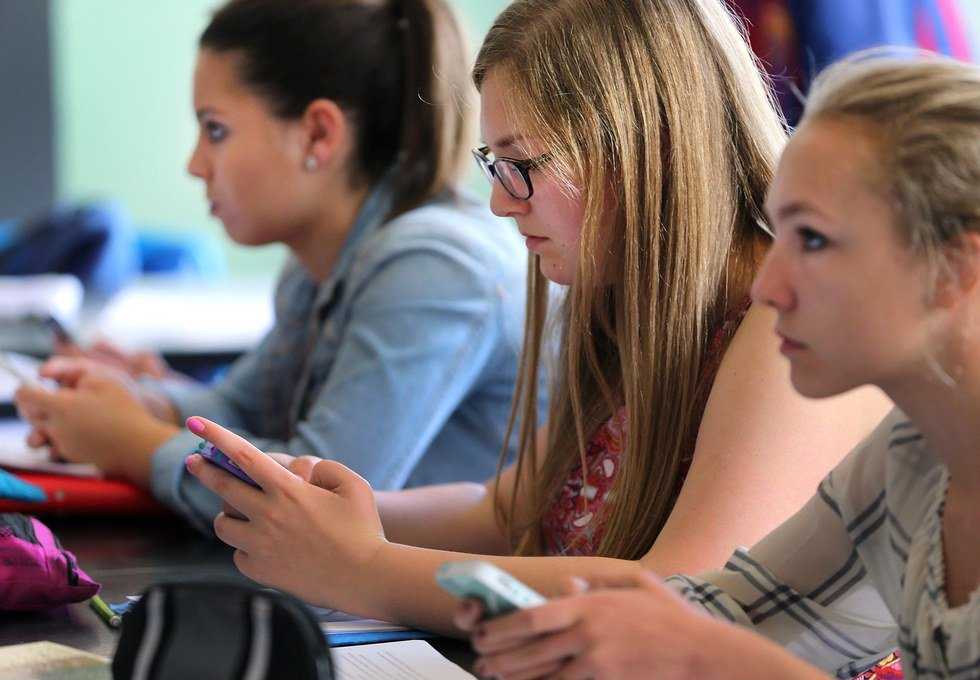
However, bringing one's own cell phone can prove to be a distraction for fellow students. Students are tempted to use their phone for other purposes, such as texting or social media gazing. Rob Redies, a Fern Creek Chemistry teacher mentioned in Paul Barnwell’s article, "Do Smartphones Have a Place in the Classroom," stated, “ the variable in student’s ability to focus and engage in the actual task at hand is disconcerting.”
According to a study done by the London School of Economics, schools that banned students from carrying phones saw a clear improvement in test scores. Phone policies at 91 schools in England have changed since 2001.
With a study comprising of 130,000 pupils, after the ban on phone usage was insinuated test scores improved by 6.4%. The impact on underachieving students was much more significant, with their average test scores rising to an estimate of 14%.
While, there may prove to be hindrances in using mobile devices during classroom sessions, for the most part it is changing the way students and teachers interact with one another, as well as the way students engage with the presented material.
Ken Halla, a 22-year-old teaching veteran who teaches World History and AP Government allows his students to use their mobile devices. He roams the classroom to ensure students stay on task. He states that permitting students to use their devices, help students stay organized as well. “ I was stunned by how many more kids started doing their homework.”
Moreover, the State University of New York (SUNY) Institutional Review Board conducted a research study in BIOL 110- Environmental Issues and Sustainability during the spring semester of 2012. There were 33 students in total and for the three times a week they meet and worked in groups of four to six to answer environmental questions such as: How many pounds of garbage does the average American produce each year? What is the size of the human population? What is soil and how long does it take to be produced? And, What is the trend in the concentration of carbon dioxide in the atmosphere?
At the end of the semester, twenty-five out of thirty-three students enrolled completed the voluntary survey, which asked the students to disclose how often they used their cell phones, how they felt about cell phone use in the classroom and whether that changed their learning style in any way. Most used the cell phone regularly, some stated, all the time, and some frequently. There were four students who never used a phone in class.
One student felt that cell phone use did not help in learning, but; the average response was between yes and absolutely. Overall, the average student improved success in the classroom, heightened learning, enjoyment, and slight class attendance.
Judy Pederson, a Freshman English teacher at Valley High School in Santa Ana, California found that allowing students to use their cell phones in class connected students to a variety of greater learning. Cell phone safety and etiquette was emplaced so students would not get distracted from the task at hand. Overall, students began gathering ideas for different school projects and built team work amongst each other.
Who knows? Perhaps it may be the time to allow all students across America to appropriately use their mobile devices for educational purposes only, as our society continues to increase with technological advancement, and students show more signs of being multitudinous in the various learning styles.