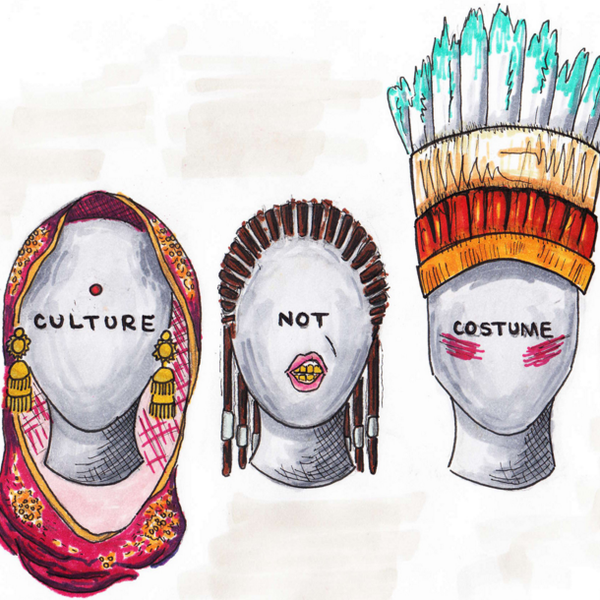

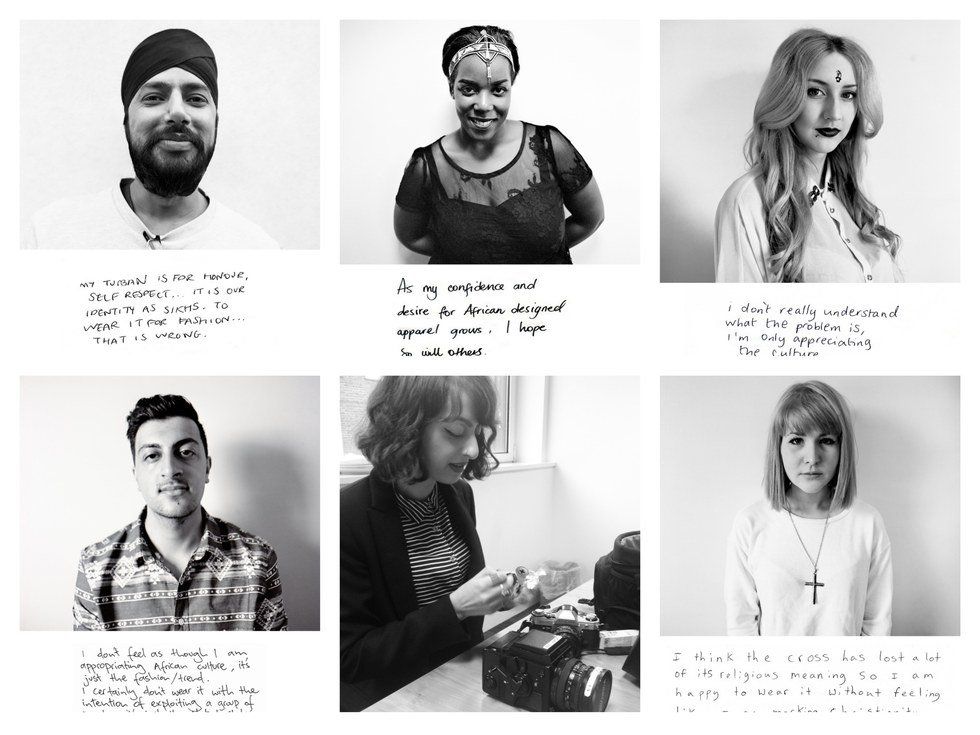
As festival season comes to a close, the topic of cultural appropriation has reared its head in the media once again. As always I'm left wondering: what exactly is cultural appropriation? How does it differ from appreciation? Will people of varying cultures and backgrounds ever agree on this topic? Well, for people in the cultures being appropriated, the answer is quite simple. However, for someone like me who grew up as a white, middle-class female, the lines are vague and blurred.
First things first, it's necessary to define the concept in question: Cultural appropriation is a sociological concept which views the adoption or use of elements of one culture by members of a different culture as a largely negative phenomenon. At first glance, or even at second glance, this definition seems kind of broad, but it gets a little more specific. Appropriation is most specifically defined as when parts of a culture are adopted by a group that has oppressed the original group.
One of the most controversial examples of appropriation is the wearing of native headdresses or bindis at music festivals. I, in my limited knowledge of cultural events, always thought that wearing an item used in another culture for aesthetic reasons was, and should be considered, appreciation. For many, however, it is a classic example of uncultured swine stomping all over cultural rituals and items of significance. But, as Maisha Johnson, author at Everyday Feminism points out, "When violence systematically targets a group of people through genocide, slavery, or colonization, the resulting trauma lasts through generations." It's easy for someone like me to not take that into consideration. Have I or my family ever been in a similar situation, and then dealt with the repercussions years later? No, and I doubt I ever will.
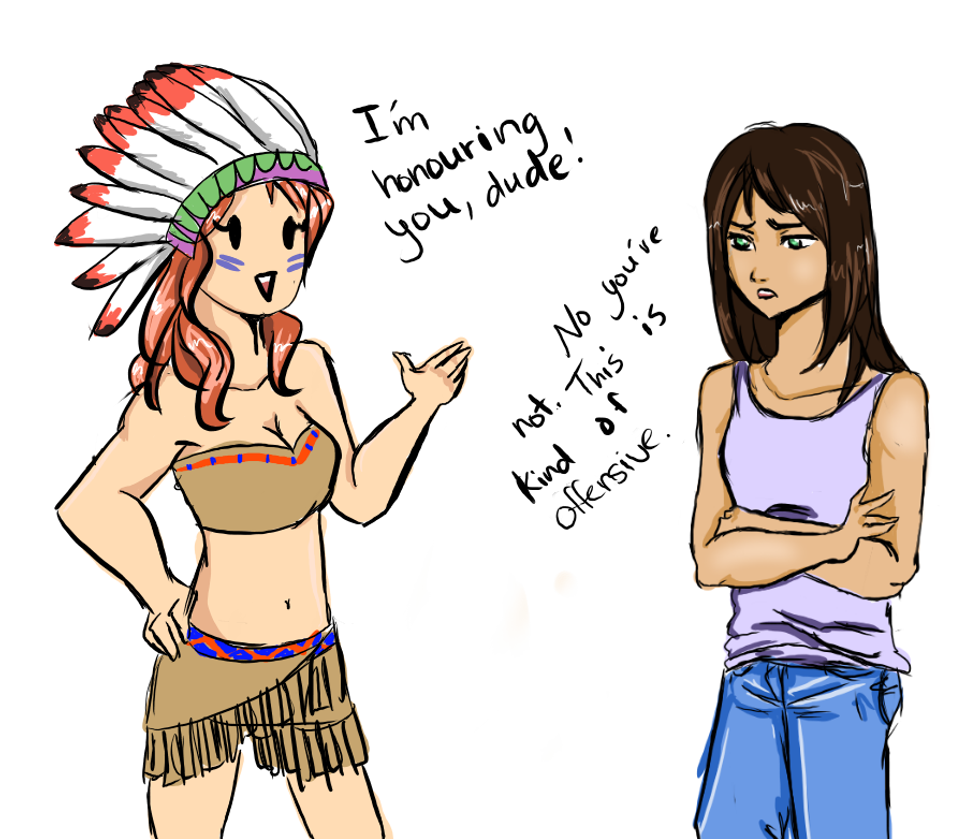
Image via Odyssey
Not only is it hard to understand this whole concept, it's also difficult to deal with when confronted about it. In recent months, hip-hop 'sensation' Iggy Azalea, has been under fire for appropriating black culture. The general populous, as well as various celebrities via social media have continually ridiculed the star for "blackfacing [her] way through this hip-hop industry." Instead of trying to understand where the others were coming from on the subject, she simply stated that she was feeling patronized by the industry and its followers.

Image via Scoop
Perhaps the bigger issue here is that not only is the 'dominant' race appropriating culture, but is also profiting and benefiting more from it. TIME columnist and NBA champion, Kareem Abdul-Jabbar puts this issue into a new light:
"One very legitimate point is economic. In general, when blacks create something that is later adopted by white culture, white people tend to make a lot more money from it. Certainly, one can see why that’s both annoying and disheartening. Through everything from access to loans to education, systemic racism has created a smoother path to economic success for whites who exploit what blacks have created. It feels an awful lot like slavery to have others profit from your efforts."
Ouch. That's a hard truth to face, even if I don't partake in appropriation myself, I recognize that it happens frequently and that it remains a huge problem. Not only are cultural issues not being appreciated properly, they're being stolen and profited from without the original creators or cultural participants receiving credit. How is it that we are supposed to accept the whole of a culture if we aren't respecting them as individuals? Borrowing one item or idea from a culture doesn't mean the culture itself is being appreciated. What's even more frustrating is that something that is borrowed from a culture can be put on a pedestal by the culture borrowing it, but then it can perpetuate negative stereotypes if used by the culture in which it originated.
"Underwear sticking out of pants? Hip-hop language? Twerking? An unintended byproduct is that white people, feeling aglow in One-Worldness brought on by taking a hip-hop exercise class, forget the serious state of racial inequality that still exists and needs to be constantly addressed. In the face of being shamed and persecuted, African-Americans have cultivated art and fashion to maintain pride in who they are, so to see other cultures take this and profit from it while still allowing the shame and persecution to persist makes us want to holler."
I had never realized just how infuriating this would be. So, white people can use items or wear their hair in a way that has cultural significance to someone else and be praised for it, but if someone from that actual culture does it, that's not okay? It's sad, and really says something about our society as a whole if this is the case. Since when is it high fashion for a Kardashian to wear her hair in cornrows but it's "ghetto" for someone in the actual culture to do it. Why is this happening? And how can we stop it?
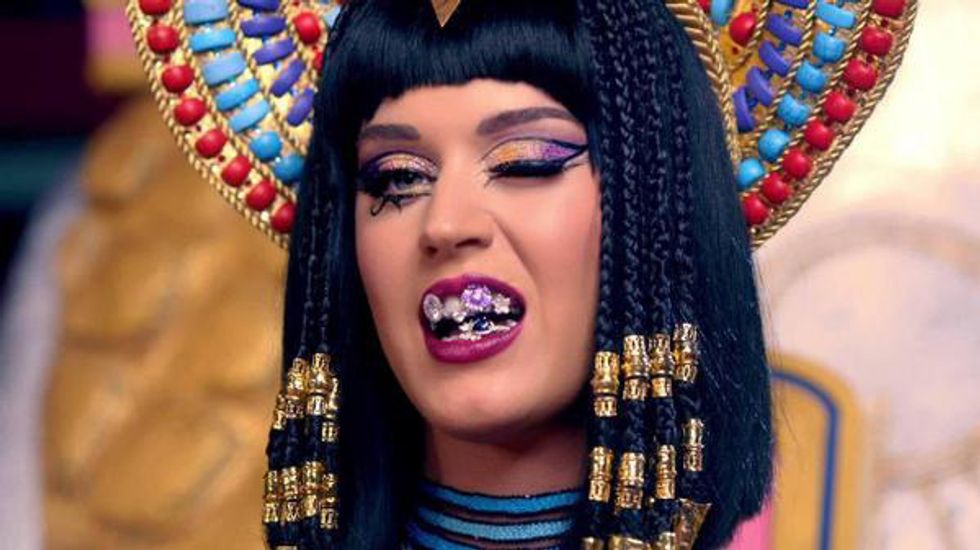
Image via Twitter
There are two things that can be done: the first is to learn what is important to a culture and why. This way, when we borrow something, even innocently, we know why it is important and why it exists in the first place. Giving credit to the origin of whatever is being borrowed is a given - in school we get in major trouble if we borrow something without citing the source from which the information was taken - so why is it different with anything else?
Secondly, we can make the standards the same for everyone. If something is trendy for a white person to do, it should be trendy for a member of any other race to do the same thing. If it's sketchy or illegal for a minority member to do something, it should be the same for a white person. These double standards are creating a gap where a bond should be.
Appreciation will never be possible while thievery ensues, so let's stop with the stealing and appropriating and take a second to look at things from a new perspective.
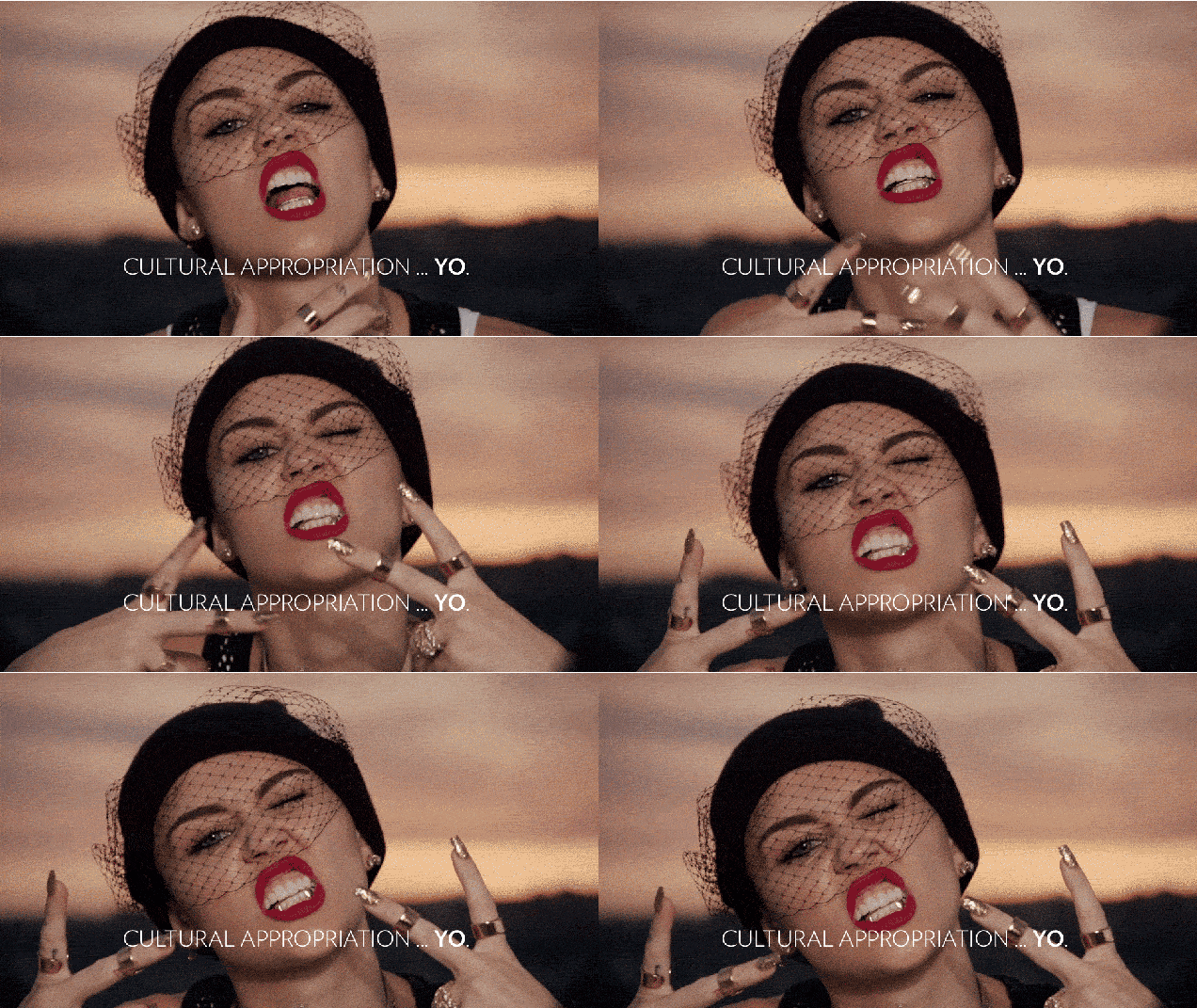
Gif via DailyDot