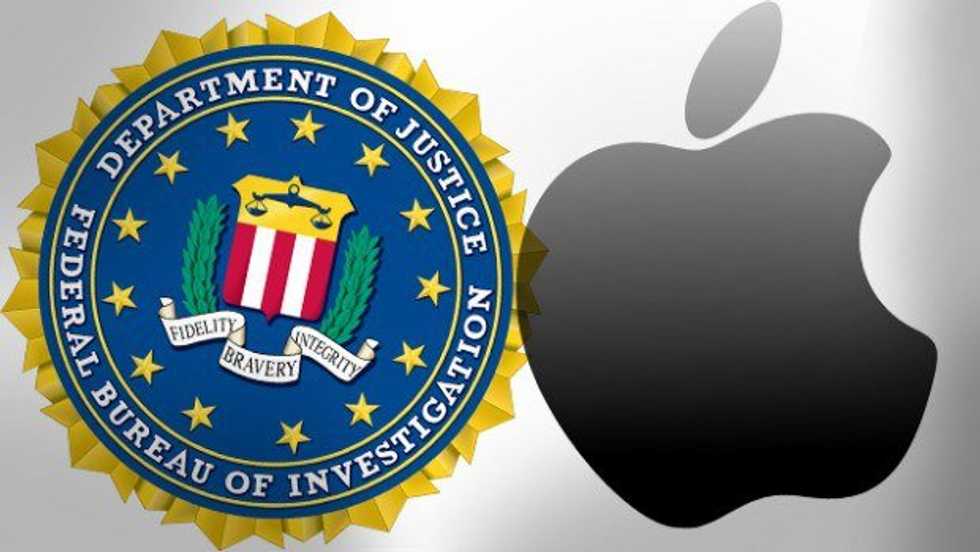
It is common practice to scroll through Terms & Conditions agreements without reading a word, though ignoring the fine print is not the only way your cyber security is at risk. Recently, a federal court ordered Apple to aid the FBI in gaining access to a phone used by a terrorist. Initially, the FBI simply asked Apple to help them, and the two institutions discussed their options. When attempts at talking out the issue failed, a federal judge ordered Apple to bypass security provisions on the terrorist’s phone. Apple refused.
Of course, the FBI would not go through all this trouble for just any old iPhone. This phone was issued to Syed Farook by his employer San Bernardino County. Farook is one of the attackers involved in the San Bernardino shooting. Farook’s iPhone 5c apparently holds information pertinent to the attack. Authorities have already investigated Farook’s iCloud backup, though Farook stopped using the automatic backup system approximately a month and a half before the attack, raising suspicion. The FBI not only has a warrant to access the phone, but the permission of the county to access the phone’s contents. There is only one issue: the phone is passcode protected.

The FBI is asking Apple to waive security measures that limit the number of attempts at entering the passcode. Doing so would require a massive amount of work from Apple; a lot of information from an iPhone can be accessed either through backups, or by subpoenaing phone records, though certain apps, like WhatsApp or iMessage, encrypts data that can only be retrieved from the physical phone itself.
Three features are preventing the FBI from retrieving this encrypted data: passcodes can only be entered manually, as opposed to by a computer, the phone will lock itself for a time period after every few wrong attempts and after 10 incorrect passcode entries, the phone automatically erases all content. Apple designed this software specifically to be ‘uncrackable’ to a third party. The FBI could hack its way into the phone if Apple circumvented these security features. In order for the FBI to gain access, Apple would have to write a completely different operating system that would allow a computer to decipher the correct passcode in as little as 30 minutes. As Apple creates the iPhone’s own hardware and software, it is the only party that can create this software and give the FBI the help they need.
So what’s the problem? If Apple creates the software to give the FBI access to the phone, a major portion of security provisions are voided, leaving all iPhone’s vulnerable to attack. Apple CEO, Tim Cook, does not trust that this software would only be used in this situation: "The government suggests this tool could only be used once, on one phone. But that's simply not true. Once created, the technique could be used over and over again, on any number of devices. In the physical world, it would be the equivalent of a master key, capable of opening hundreds of millions of locks — from restaurants and banks to stores and homes.”