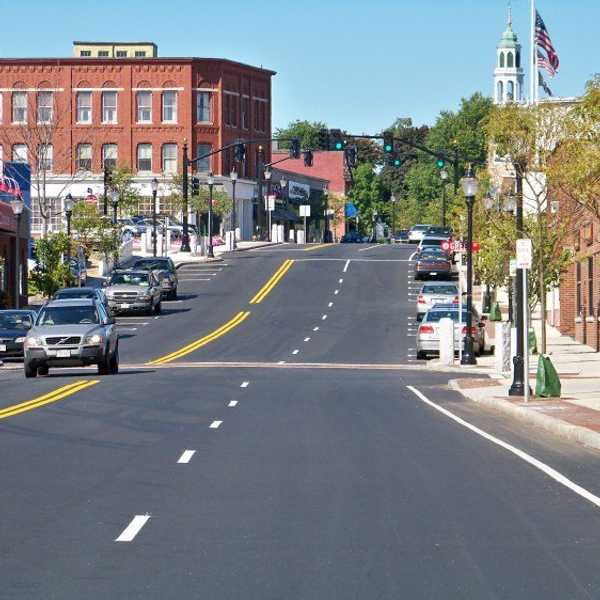
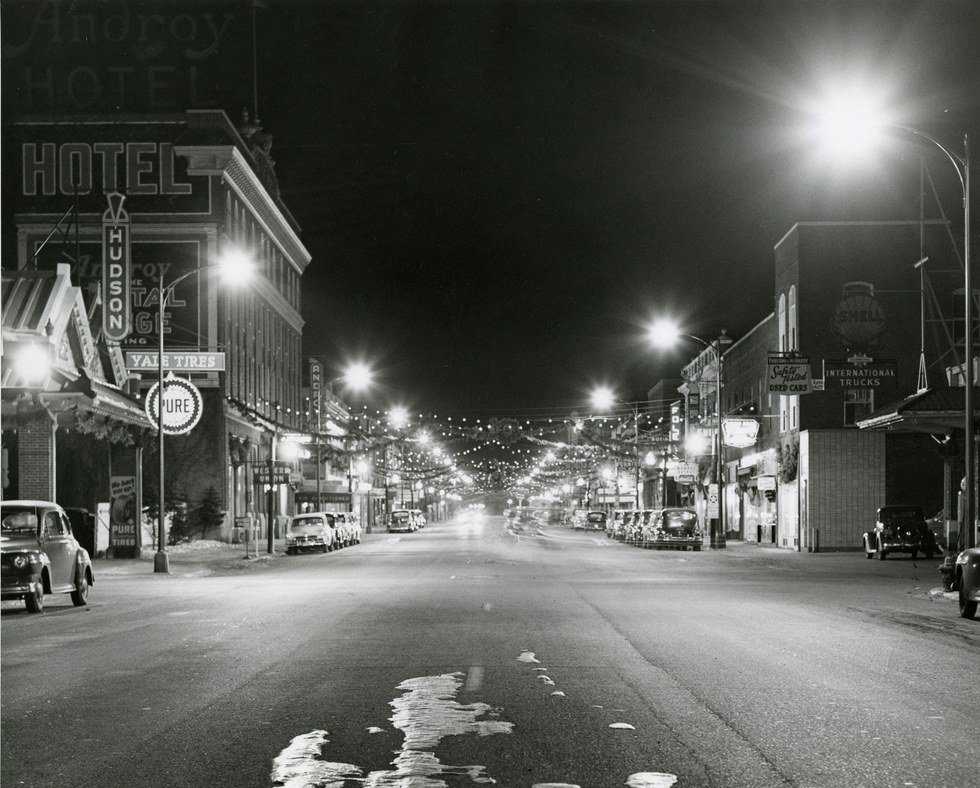
The name Hibbing may not mean much to the casual reader of this piece, or really anyone with a scant knowledge of American history. But, Hibbing is in fact a very famous place, and has played a very big roll in shaping the post-great depression United States.
Hibbing is a town of approximately 16,000 people located deep in the heart of the Mesabi Range, a large region of northeast Minnesota dotted with iron ore mines, taconite plants, and the communities that support them. Many historians will argue that if it wasn't for the iron ore coming out of the Mesabi Range to power the rust belt steel mills, the U.S. might have not won World War II.
It is also the hometown of both of my parents, and while I have spent more time in nearby Grand Rapids, Hibbing has still been a big player in my life. I like to say that while my brother and I were born and raised in inner-city Minneapolis, we have 100% iron range blood.
Now, there are over 25 communities that can be considered 'range towns', Hibbing continues to stand out for a number of reasons:
The Town that Moved: In 1887, German immigrant Frank Hibbing discovered a unique red rock under some fallen tree trunks, and determined that there were large ore deposits right under his feet. Then by 1893, the town-site of Hibbing was officially laid out in his honor. Even with rapid growth, the people of Hibbing learned that the most valuable iron ore was literally right under their feet. The Oliver Mining Company and Mayor Vic Power determined that the best course of action was to relocate the town to an entirely new site, and from 1919 to 1921 the buildings making up Hibbing were rolled on smoothed logs 2 miles south to their present location, freeing up space for the mining operations to continue ore extraction. It was this seemingly impossible task which gave Hibbing the internationally recognized nickname of "The Town That Moved," which it holds to this day.
Dogs on Wheels: The Greyhound, a bus company was actually founded in Hibbing. From its modest beginnings in 1914, transporting miners between the communities of Hibbing and Alice in a 7-passenger car, to the massive network of buses that serves nearly every corner of North America, Greyhound Lines, Inc. continues to provide reliable service to Americans seeking affordable transportation...even if no longer through Hibbing.
Big Pits: The Berkeley Pit in Butte, Montana may be deep, but the Hull-Rust Mahoning Mine in Hibbing, Minnesota is wide. Stretching 1.5 by 3.5 miles across, and 600 feet deep, this pit is the larges open pit iron ore mine in the world, and continues to be in operation today. This is the pit which led to moving the town.
Size Matters: With the annexation of the surrounding Town of Stuntz in 1979, Hibbing became, and remains to this day, the largest city by area in Minnesota. Not bad for a city of under 20,000 people.
Sports Stardom: While plenty of NHL players hailed from Hibbing over the years, the biggest catch may have been in basketball. Kevin McHale, who happens to be high school friends with my dad, got his start as a Hibbing High School Bluejacket. This is the uniform where he honed a reputation of not dropping his arms after grabbing a rebound, a reputation which followed him through Hall of Fame careers with both the University of Minnesota and the Boston Celtics, where he spent all 13 years, and as head coach of the Minnesota Timberwolves and Houston Rockets.
Dylan Days: Legendary musician Bob Dylan is another native son of Hibbing, and despite the many athletes from this little range town, Dylan may be the most famous. While his feelings towards Hibbing have been somewhat negative, the city always shared their pride for the star by holding the Dylan Days festival, and likes to claim the Hibbing High auditorium as the stage where Dylan made his performing debut.
Curls for the Girls: The Hibbing Curling Club hosts the annual Last Chance Bonspiel, which with anywhere from 90-128 teams competing each year, may be the largest curling tournament in the U.S.
What has become of Hibbing today? Like most mining communities, Hibbing must deal with a very cyclical economy. With shifting demand in domestic steel, and differing trends in the iron ore and taconite industries, Hibbing is once again facing hard times. But as always, the people of Hibbing know a thing or two about falling down and getting back up. They are a resilient bunch and will find a way to make a better life for themselves and future generations of rangers.
I may live in Bozeman, Montana, but my heart will always be in Hibbing, Minnesota.