
We are secluded in our worlds as innocent children of the 20th century and privileged residents of the 21st. We hear about death on CNN when quickly switching between Food Network and Travel Channel. We see running tickers of names, from Paris to Orlando, at the bottom of our flat-screen TV monitors after family dinners where we share our days and speak our blessings. We read articles on Sandy Hook and Baghdad and Istanbul in the morning newspaper while sipping on cups of Starbucks bold brew; mass-deaths are about as regular as that morning cup of Joe.
We hear about tragedy, think about tragedy, and talk about tragedy. Yet sometimes we get caught up in the headlines, the morals, and the politics involved. Sometimes we don’t allow ourselves to reflect on tragedy.
We cope by adding French flag overlays to our profile pictures for a week. We cope by tweeting Bible verses in response to Sandy Hook. We cope by donating $10 on GoFundMe. We cope in ways that allow us to spotlight these issues for a short moment in time. Which is a good thing! Calling attention to these issues is not wrong. But, in doing so, are we really allowing ourselves to reflect? Or are we simply repeating the patterns of modern-day mourning?
With each new world-shattering headline comes a new pang of guilt. Guilt that some of us have it all together. Guilt that some of us have grown up with good families, good friends, and good futures ahead of us. Guilt that we will never know the pains that such persecutions bring and will never know the destruction that such persecutions leave. Guilt that the closest thing we’ve gotten to solving these global issues is getting the most likes on our world-changing blog posts.
I’m with you in your reflecting, youth. I’m with you in these moments when we scramble for something to say when there really is nothing to say at all. I’m with you when your jaw drops because you see the shocking headline on BuzzFeed when all you wanted to see were the new quizzes uploaded on the main page. I’m with you when, even worse, you feel nothing when you read the headlines; the epidemic of tragedy is one that we, in our relative seclusion, are often immune to.
I understand the peace that you are hoping to find. I understand that we, as an age and as a society, want to help in the midst of catastrophe yet sometimes lack the tools to do so. I understand the frustration you feel when debating how you should feel about these issues. I understand your hopes for a better world where, someday, you may raise your children without having to watch those headlines tick by at the bottom of the screen.
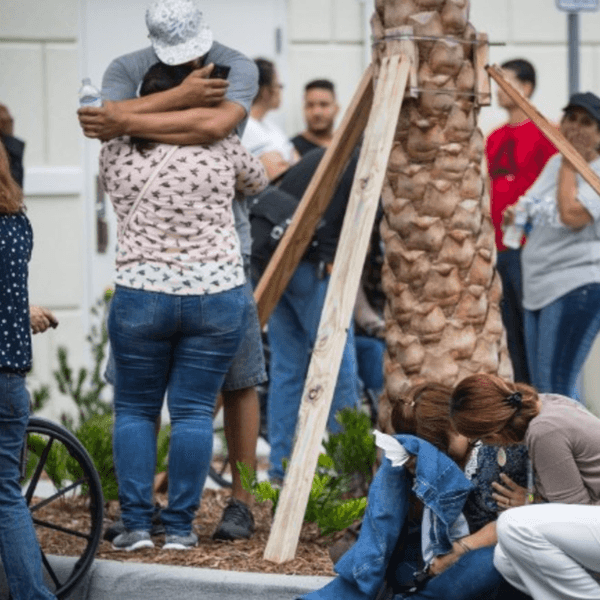
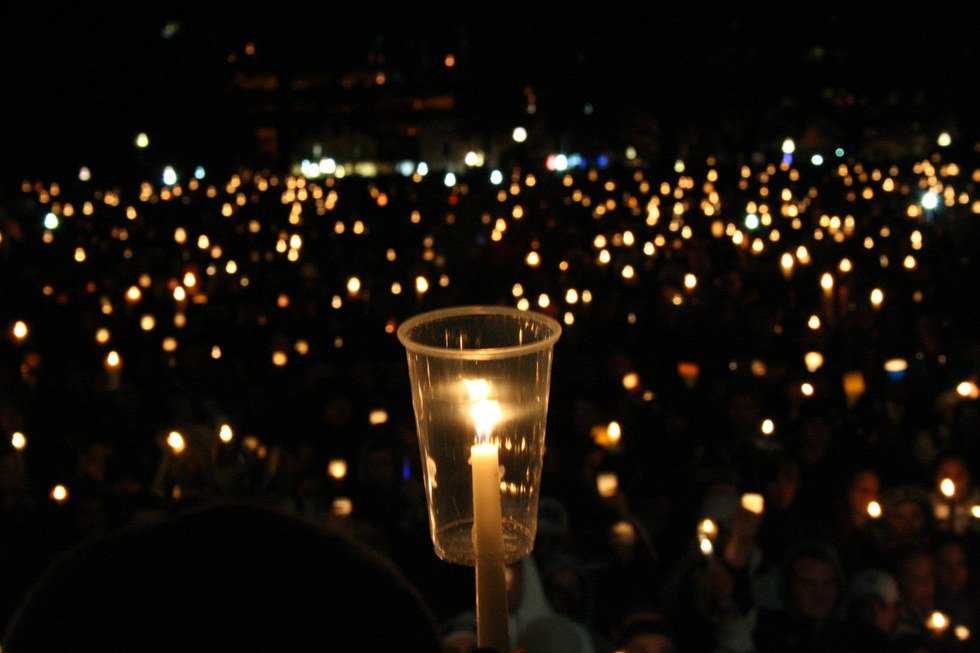
Until then, we must keeps our arms open and our hands ready. When we can help, we must move those hands to act. When we can’t, we must move those hands to pray. When tragedy strikes, we must move those hands to embrace. May we, as time continues to pass and tragedy continues to strike, find peace where we can and patience where we can’t. May we allow ourselves to reflect and respond on the worldwide tragedies occurring within our aching world, and may we look hopefully toward a brighter tomorrow.