
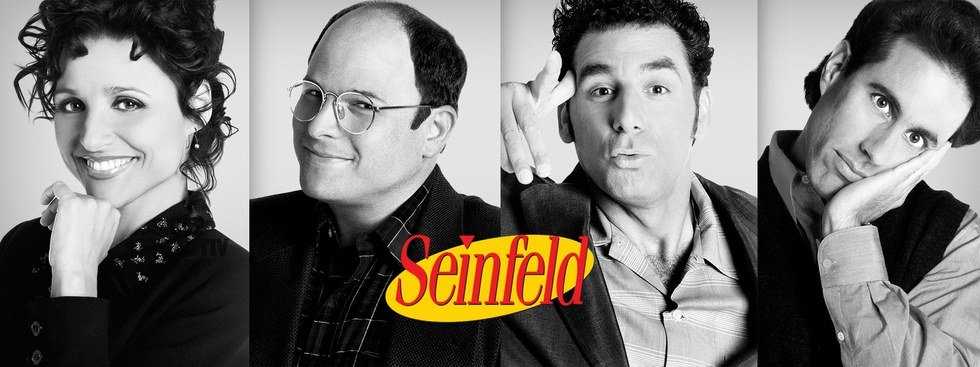
In the 43rd episode of the classic sitcom Seinfeld, the title character Jerry and his awkward friend George pitch their idea for a television show to producers at NBC - they wanted it to be a “show about nothing”, in which nothing much ever changed. This essentially entailed not following a created plot or storyline, and just taking themselves as characters going about the naturally ever-changing and interesting, though occasionally monotonous experiences of everyday life. “The show about nothing” became a tagline and an apt description for Seinfeld itself, and is part of what made the show so successful and iconic. The sheer simplicity of it proved to be relatable on a new level with the audience, and ended up inspiring a string of equitably successful shows modeled after it such as Friends, and How I Met Your Mother.
The world today is full of pressure for every creator to make something exciting, original and extraordinary within their field ; but what truly constitutes a work that adheres to those standards? What even makes “nothing” into “not nothing” and therefore “something” at all, and what makes “something” into something “great”? When considering all of this at length, it makes one wonder- is the creation of something “great” even possible, when there isn’t even a true standard for what makes something “something” at all?
This existential line of thought is explored at length in John Cage’s “Lecture on Nothing”, and can apply to most anything in life, but is especially fascinating when it comes to the creation and appreciation of art and music. The amazing thing about art is that as a result of it’s flexible nature and multitude of forms, are no true standards or rules, and those that impose such upon an artist may very well be crushing the creativity that they were drawing their definition of art from. Anything can be art, from your five year old’s finger paintings to Beethoven’s Symphony, but how can we measure what “good” art is, when art itself has no definition?
Creators, from writers to musicians are constantly being held to a standard of outside validation. If it isn’t considered big and flashy enough to someone else, the work couldn't be considered “good” and certainly wouldn’t be “successful”. There are several problems with this mentality- the first and foremost being that nobody has the authority to say what can and cannot be “good art”, what some may see as life-changing, others may see as garbage, but that doesn't change the meaning or the validity of the piece. Van Gogh’s works were not successful during his lifetime, but years later his paintings are considered iconic staples of the visual art world. Many thought no success would come from that “show about nothing” by Jerry Seinfeld proved them wrong.
In conclusion, take a note from Jerry. Create whatever your heart desires, even if it is as silly as a “show about nothing”. Those who don’t seek meaningless approval from others are those who have achieved the highest level of true success and confidence within themselves, and that’s something you can’t stick a label on.