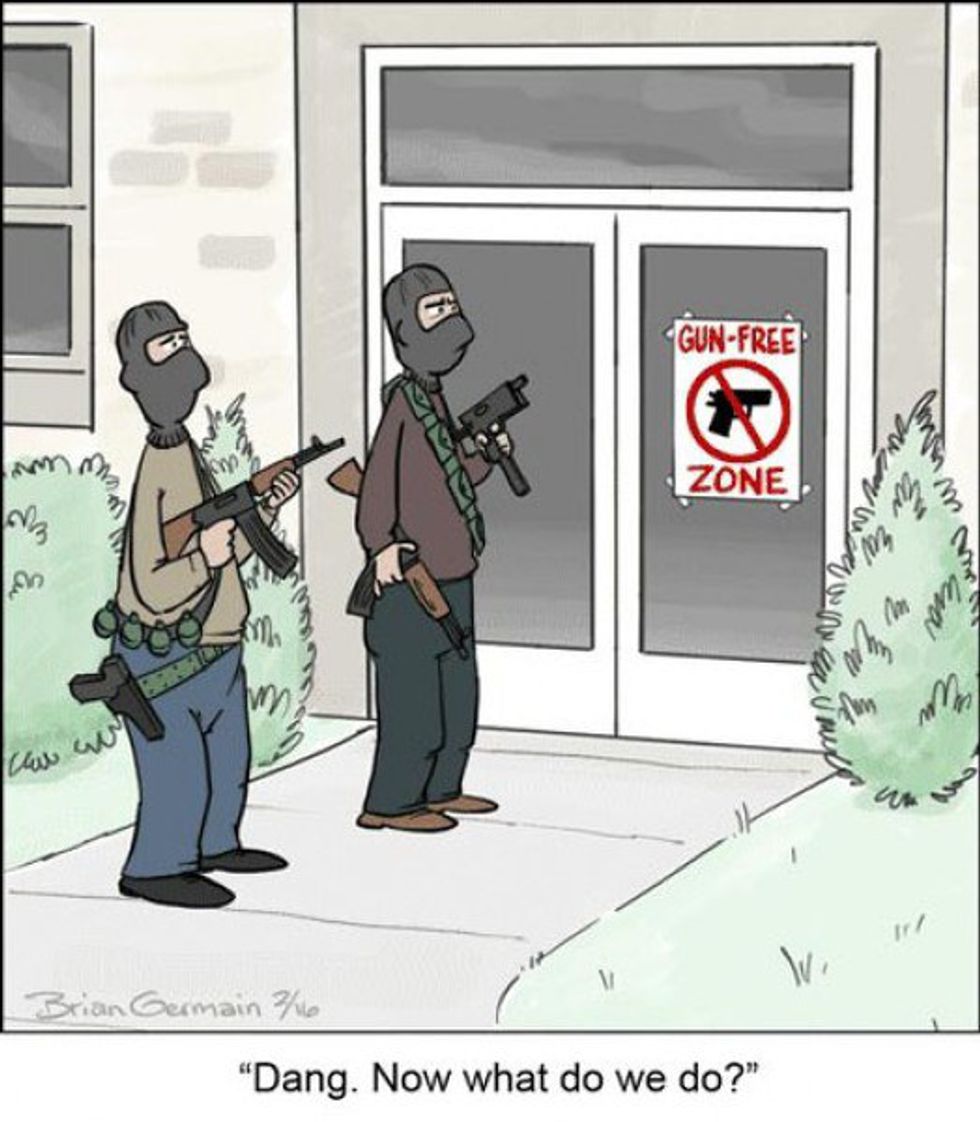
I am the kind of person other people make fun of after a mass shooting since I refuse to speak my mind about the matter until at least a few days afterwards. I do this for two reasons: For one, I believe in a grieving period after a tragedy. Secondly, I need the time to think through my opinions on what I think happened, not wanting my emotions to get the best of me. After years of hearing about mass shooting after mass shooting in the United States, I have concluded that supporting gun control is the least effective option for preventing these and other tragedies. Not only that, but gun ownership actually has numerous benefits. Here are the four reasons for why I believe this:
1. Prohibition does not work
Legal obstacles only burden the rigidly law-abiding citizens. After failed alcohol prohibition, the War on Drugs, and prostitution criminalization, you would think that the US would give up on making things illegal when trying to stop people from doing them. Most importantly, prohibition creates the illusion of progress, covering what is really going on behind closed doors. What scares me most is that things tend to escalate behind closed doors, such as when more harmful drugs are created from the ones that were originally banned.
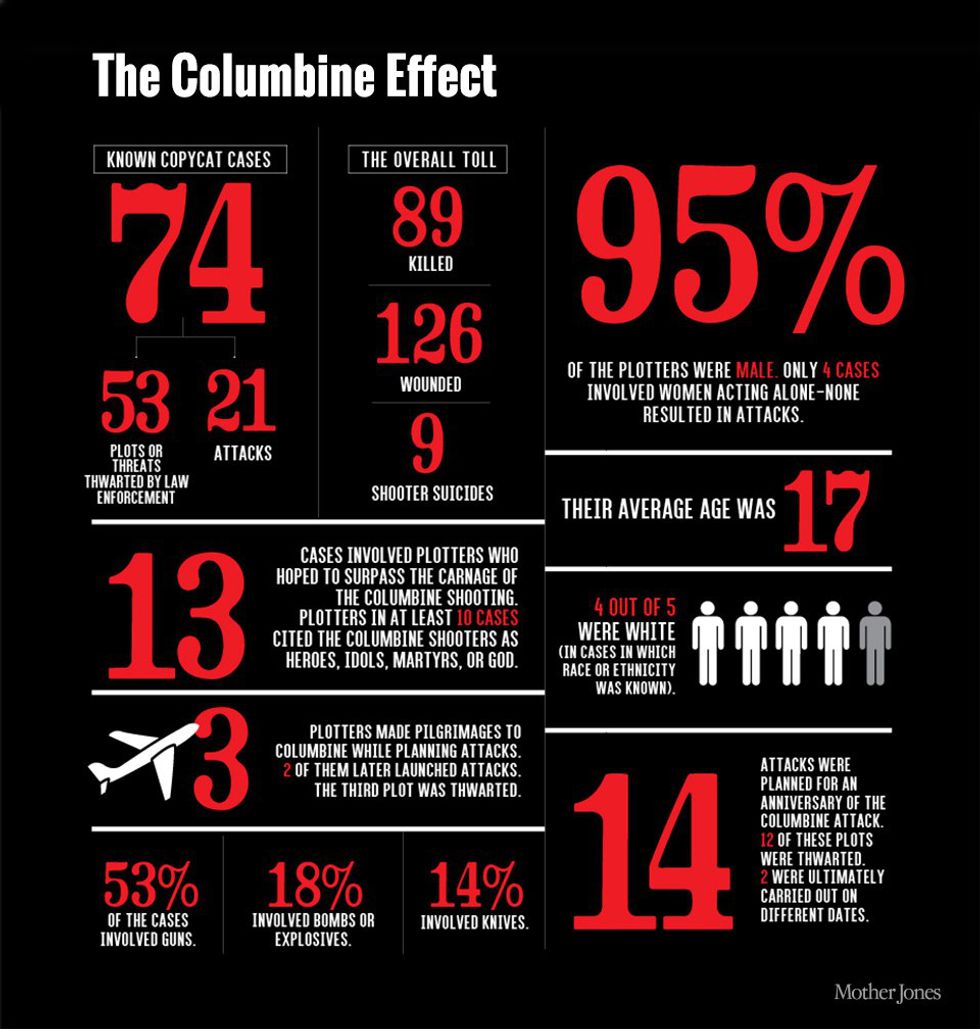
While reports of mass stabbings already occur around the world, guns are more likely able to cause more damage than knives. This infographic shows 18 percent of the Columbine Effect cases involved bombs or explosives. Needless to say, explosives can cause more damage than shootings, and it's problematic that the percentage for explosives in Columbine copycat cases is this high. It may be possible that the use of explosives will increase with more gun control.
2. Guns actually protect people
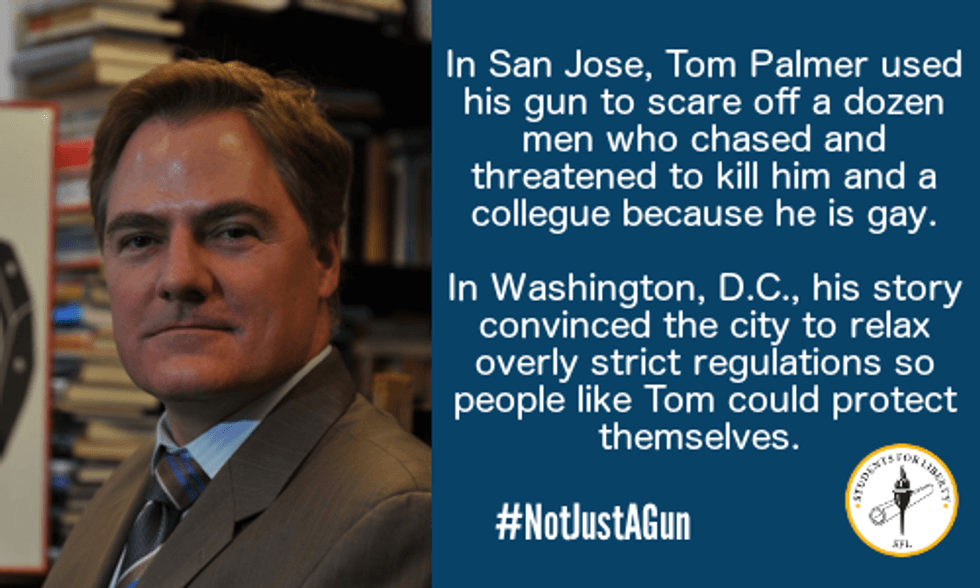
Remember a few days after the Sandy Hook shooting when a man opened fire in a restaurant, then a movie theater? You don't? Doesn't come as a surprise since I was in San Antonio at the time and didn't learn about it until a few days afterwards. Because an off-duty officer was able to stop the gunman before there were any fatalities, it wasn't newsworthy. There are actually many accounts of people, including civilians, getting in the way of shooters with their own firearm. Not to mention that certain gun control measures, such as stop-and-frisk, were and are targeted towards systematically-disadvantaged groups. People of color, women, and LGBTQ individuals are probably the most in need of learning to handle a gun.
3. Some numbers concerning guns and shootings are exaggerated
The gun homicide rate is roughly the same now as it was in the 1950s, although spikes have happened, most notably in the '70s, '80s, and '90s. In 2013, there were 505 accidental firearm deaths for 316,128,839 people. That is is lower than the majority of the 20th century, where the number of unintentional deaths was over 1,000 per year. You have probably heard about the one school shooting per week since Sandy Hook claim. We as a society have a pretty specific image of what a school shooting is -- a person opening fire at-large in a school. This image probably doesn't include firearm accidents and specific targets, but the "one school shooting per week" number does. Overall, school shootings are actually not as common as a lot of people think they are. The "Man Bites Dog" headline adage fits this misconception well.
4. There are a number of factors for why firearm fatalities happen
While many articles have talked about why shootings do not stem from mental illness, some certainly have and it is a bad reason to not look at causes, such as a rare but violent reaction to medication, feelings of entitlement, substance abuse, and terrorist affiliations. The obsession with learning about the shooters' backstories in the media also perpetuates the idea of infamy to more potential shooters. Of the 31,672 deaths in the United States from firearms, 19,392 were a result of suicide. Instead of narrowing our focus to guns, we should be asking questions like: Why is the suicide rate this high? What made the shooter turn to obscure communities on the fringe? Why did they hold violently racist thoughts? Guns were the weapons used to kill, but something else led to their dangerous mindset.
Both sides of the gun debate tend to demonize each other. While I am on the side of gun freedom, I feel that everybody could do everyone else a favor and take the time to do research before spouting off their opinions. Gun culture varies from city to city, urban to rural communities, and country to country. Therefore, we hold strong opinions as a result of where we're from. The next time a mass shooting happens, look at the numbers, look past the hype, and ask yourself, "How will gun control fix any of this?"