
Over the last few years, there has been a lot of debate about whether or not vaccines can have a negative impact on people’s health. Many parents worry that vaccines can be harmful to their children. Some parents even believe vaccines cause autism.
Others believe that their immune system can actually be strengthened by not taking vaccines. Currently, all 50 states require certain vaccinations for children as they enter public school; however, there are exemptions that can be made for every “required” vaccine. Approximately 30,000 cases of vaccine related complications are reported each year. Less than ten percent of those cases are considered serious. Many people who have not vaccinated their children state that their kids have not had any problems with viruses. Can a person really go through life without getting any vaccinations and have no problems with diseases?
To begin, let’s address the autism claims. Currently, there is no mechanism that biologists know of that indicates exactly how vaccines could cause autism. We know that most kids who are autistic have been vaccinated with multiple vaccines. But then again, most kids have been vaccinated with multiple vaccines. Although many autistic children have been vaccinated, we cannot conclude that vaccines cause autism. If they did, everyone who gets vaccinated would have autism. It’s important to examine the evidence that does not support our view point, not just the evidence that does. The accusations of vaccines causing autism are rather peculiar, since there is no scientific research that supports that claim, except for one study. This one study was published in the early nineties in Great Britain and contained false information. It has since been rejected from the journal is was published from and declared fraudulent.
The autism claim deserves virtually no attention but what about the perfectly healthy people who have lived their lives without getting any viral diseases? These people typically live in North America, where it is standard and often required that children get vaccinated for Rubella, Measles, Polio, etc. If someone does not get vaccinated and doesn’t contract a viral disease, it is almost certainly due to that fact that everyone else around them has been vaccinated. If most people in a population cannot get sick from measles because they’ve been vaccinated, then that measles virus has no place to go in that population. This is because virus cannot replicate on their own; they hijack the DNA replication machinery of their hosts. The vaccinated people surrounding the non-vaccinated individual tend to act as a buffer from the virus. This is known as "herd immunity."
Some claim that not using medicine, including vaccines, helps them build immunity. The opposite is true. When engineering vaccines, scientists have to develop a weaker viral strain to inject patients with so they can trigger an immune system response without causing the organism to contract the full blown virus. A common method is to inject another host, often times other primates, with a virus. Then, they let the virus replicate for several generations until it adapts to making optimal use of that specific host. The new strain, perfectly evolved for attacking a specific host organism other than humans, is formulated for humans. The virus is not well equipped to attack a human host and is slow to replicate. The human host’s body triggers an immune response, attacks the virus, and is able to quickly mobilize the necessary antibodies needed to attack that virus in the future.
Formulating vaccines (and antibiotics, for that matter) is tricky because scientists cannot just use humans to test the medicine on as they please. There are ethical principles that must be followed, which can slow research in this area. Also, viruses evolve very quickly because they constantly swap DNA with their host and replicate much faster than other organisms. They also consist of many different strains. Because of this, developing vaccines is like chasing a moving target.
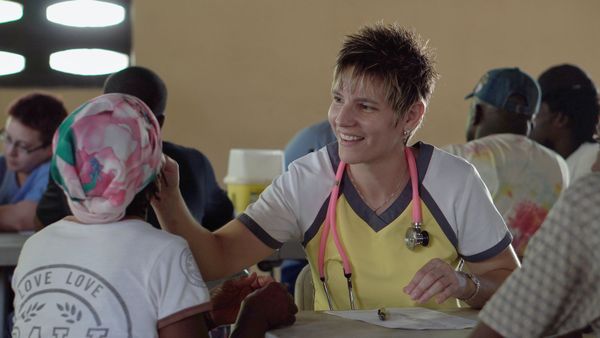
I heard someone speak from Doctors Without Borders a few years ago who stated that the first thing he does when he arrives in highly impoverished parts of the world is vaccinate its residents. The quality of their lives improves drastically when not plagued by fear of illness. They then set up vaccinating programs for future generations and often see impressive results. Preventative medicine is the best way to ensure that future populations will be healthy.
A few years ago, some parts of West Africa had been plagued with the Ebola virus. This was an uphill battle for citizens of Guinea and Liberia for a couple years. Due to extreme poverty, densely populated villages and lack of medical facilities, supplies and education, deaths from Ebola had exceeded 10,000. There is was no licensed vaccine available to combat this virus, making it a very terrifying threat to the people of West Africa. What they would have given for a vaccine.
I think the vaccine debate says a lot about our nation's poor understanding of medicine. Americans seem rather divorced from the reality that illness is a major concern in other places and can easily come back if we do not use the tools we have to eradicate it. Here, we take our health for granted. We don’t fear diseases like we should and we’re willing to buy insufficient evidence to form opinions about how to be healthy.