
A girl dashes into a bathroom stall, her heart pounding as she tries to muffle her sobs. She gasps for air, but her chest feels heavier than lead and trying to breathe is futile. Instead, she remains there suffocating and shaking violently. Gravity forcing her to the ground of the tile floor. The walls close in, and death feels imminent. Final thoughts race through her mind, and just as she is about to break, the waves of pain start to waver and subside. Little by little, she feels her vitals return to normal, but the fear of this pain will always remain. She picks herself up, wipes away the tears and hurries to her next class, pretending this heart-palpitating event never happened. This girl is only one of the many voices which go unheard as a part of the United States’ most common mental health problem. A silent epidemic, now as common as the flu, is the largest threat to people’s mental-state in this country. This is anxiety and how it affects us.
To those who are unfamiliar with the symptoms of anxiety, the panic attack above might seem dramatized or unrealistic. If a person has never experienced one for themselves, it can be hard to imagine how terrifying it is. Unfamiliarity with the condition, coupled with a disinterest for scientific studies on the subject, often brews ignorant sentiment about how “people need to get over” their anxiety, as though it was something taken on by choice. However, telling a person with anxiety to get over their disorder is like telling a man whose legs were crushed in a car accident to “walk it off.” Anxiety is not a choice or somebody’s fault, but a bio-chemical condition in the brain, oftentimes induced by traumatizing events in one’s life. Anxiety effects individuals in the deepest part of their psyche, creating an abundance of one emotion over all others. Fear.
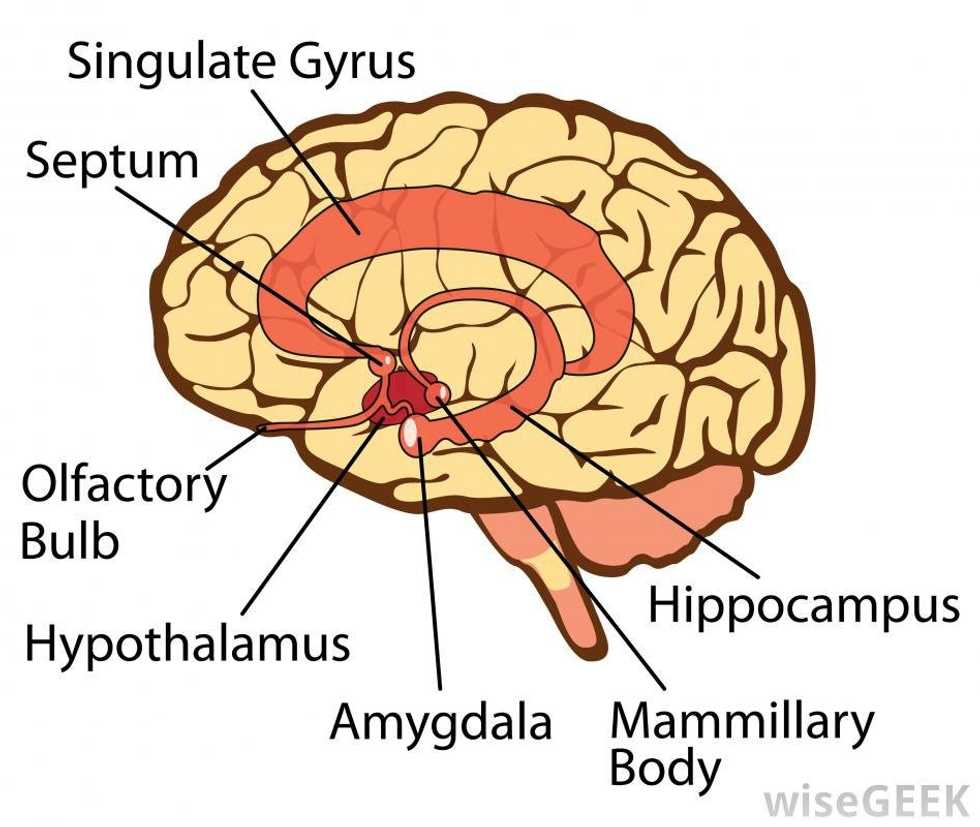
People have a tendency to separate the psyche and their body, as though the two were completely independent of each other. However, contrary to popular belief, all things psychological are rooted in the physiological. When most people think of fear, the last thing they associate it with is the brain, but for everyone, fear has its origin in their physical makeup. The root of all fear is in the amygdala, the epicenter of the brain responsible for emotions and “fight-or-flight” instincts. Over the course of our species’ evolution, the amygdala has adapted to assess threats to our livelihood, as well as our survival. This means the same part of our brain which flares up when we fear losing our job is the same as when our primitive ancestors heard something go bump in the night. For those with an anxiety disorder, this area of the brain is constantly stimulated, and results in crippling amounts of fear over what might seem the minutest of details. This intense fear often makes life feel unlivable, and is probably why nearly one-half of all those with depression are also diagnosed with an anxiety disorder. And while treatment is readily available, only one-third of those suffering receive treatment. Because of our ignorance towards those with anxiety disorders, many are too afraid to talk about their problems. This has led anxiety to be the most common mental disorder in America.
Its common knowledge in the healthcare community that rates of anxiety and depression have steadily increased for decades now. But what might come as a surprise to the public is 18% of all people in America suffer from some kind of anxiety. The hypotheses for causes behind these increases and why anxiety is so common may vary, but mostly still remain a matter of speculation among experts. However, if progress is to be made and if we are to help those who suffer from these disorders, the first step is acceptance. When the day comes where all people with these conditions can be honest with themselves, in addition to those around them, only then will we see change. Anxiety does not happen because of weakness, nor lack of sanity. It does not happen because one didn’t love God enough, and no religion can substitute therapy anyway. Anxiety is a hazard of being human and should be treated as such. And for those who suffer from these conditions, for those who suffer so badly they wonder whether its better to be or not to be, we should all have only one response. "Please be. I promise there's help on the way."