I believe it was Paul Simon who asked, “Where have you gone, Joe DiMaggio?” In later years, when asked why that line was included in the iconic "Graduate" theme song “Mrs. Robinson,” Simon responded:
“We grieve for Joe DiMaggio, and mourn the loss of his grace and dignity, his fierce sense of privacy, his fidelity to the memory of his wife, and the power of his silence.”
Strong words coming from the author of “The Sound of Silence.” But can we honestly say a DiMaggio-like character still exists in the realm of modern sports or even should? Sure, we can be quick to point to segments such as “Why We Love Sports Today” that highlight the works of athletes we can all be proud of. But DiMaggio was, in his time, what LeBron James, Rob Gronkowski and a whole host of superstar athletes are today: a pop culture figure judged on far more than athletic skill.
In a new and dangerous world where choices and decisions are judged by an online community within seconds of it happening, the morality of those we see every day on TV are constantly called into question. In the last decade in particular, it seems a new “______-gate” controversy starts every couple of months or so. Could anybody have possibly foreseen the Ray Rice debacle the day before the news broke? On Feb. 14, who would have debated the character of either party?
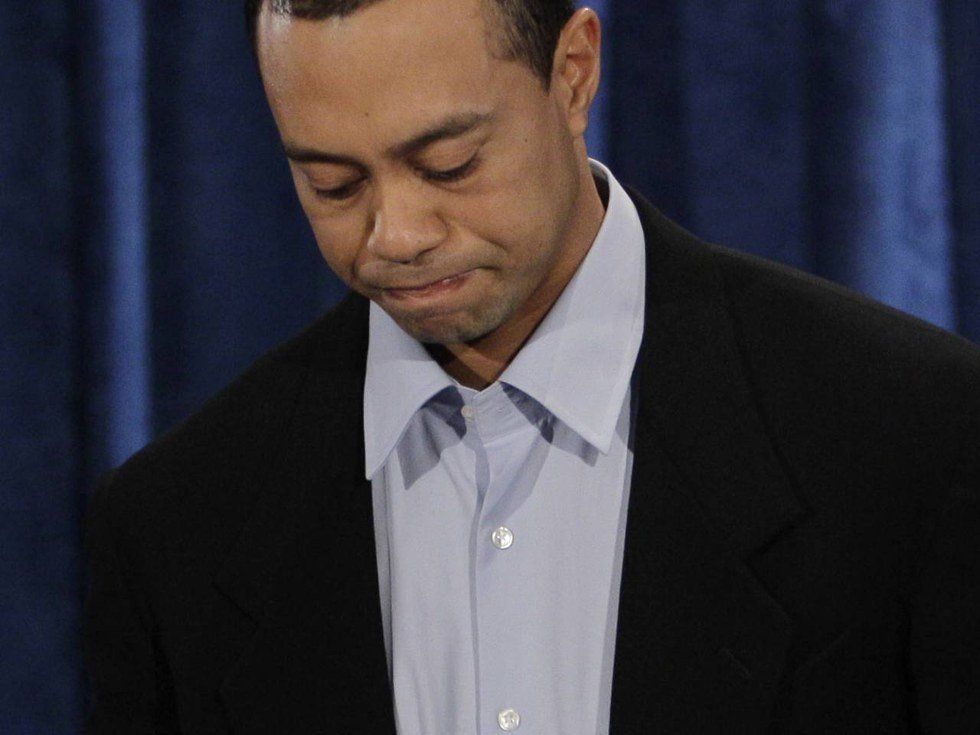
The same can be said for Ryan Braun, Tom Brady, Greg Hardy and, perhaps most of all, Tiger Woods. In the social media age, saints become villains in a matter of seconds, often before all the facts come out, and many times, the stigma is irreversible. Though Brett Favre’s induction ceremony was full of positive anecdotes, along with a full house of loyal fans, I would make a safe bet that you can find those around Wisconsin who will never forgive The Ol’ Gunslinger for his alleged “crimes” against the state.
Yet, are we really supposed to look to those on the playing field for moral guidance? What higher power anointed athletes to this position of both playmaker and role model? Perhaps simply the idea of professional athletics would be a good place to start. From their inception, athletics have been designed to attract fans who will buy concessions and merchandise, plant their butts in the seats, and root-root-root for the home team. Once somebody has invested enough time and energy into a team and its players, however, it becomes more than just watching the games and cheering the loudest. It becomes more like a religion. (There’s a reason most churches in Wisconsin all have their services early on Sunday mornings, and it’s not just so the elderly can reach the buffets in time.)
Throughout time, people have turned to various religions as parenting guidelines and moral blueprints. My family brought me up in a Christian background with the hopes of me developing my life around those values, although it was the events that happened to me, and not religious doctrine, that shaped me into the person I am today the most. Likewise, should we really allow a person who doesn't even know our name to be the main figure of upbringing for our children or any children we may have in the future? Especially when the values seen in many, but certainly not all, mainstream superstars are hardly what most would consider desirable to be duplicated by the next generation?
Whether or not athletes are meant to be the pillars of moral righteousness some claim they should be is not an easy matter to decide. I, personally, just don’t think any remake of “Mrs. Robinson” in the future will include the line “Where have you gone, Rob Gronkowski?” Nor should it.