I have 327 songs in my iTunes music library. In addition to the 281 songs I have purchased on iTunes, I've burned 46 songs off various CD's, giving me the grand total of 327. I began purchasing music in middle school, and continued all though high school and into college. I only stopped purchasing music about six months ago, when I realized the practicality of accessing songs on streaming platforms like Spotify or Apple Music. Even though I now have millions of songs at my fingertips, I remember the years I spent in high school with the same songs on shuffle. I screamed along with Katy Perry and Lady Gaga about accepting who you are, attempted to rap with Drake and Kanye about things I definitely should not have been rapping about, and cried at every Coldplay or One Republic song, which inevitably mentioned some sort of life loss. I cranked up the volume on my dad's toolshed radio and viciously whipped my head around and waved my arms to the beat of a hip hop single, never really listening to the lyrics, just memorizing and singing them. I reveled in the short-term effects of music, the way the beats, the chords, and the voices made me feel. I didn't know any one artist or band very well, but that didn't matter to me at first; all I cared about was the physical effect it had on me. If someone asked me in-depth questions about genres or albums or artists, I wouldn't have had an answer. At first, I didn't mind my limited music knowledge, but as I entered high school, my perspective began to change.
During sophomore year of high school, people's music tastes begin to diversify and focus in on certain genres. All around me, friends were fighting a pop culture monolith by finding less-known music niches, like punk rock or EDM. Via this school-wide chatter, I discovered genres rather than just artists, realizing along the way that there was a wealth of good music that wasn't on America's Top 40 (sorry, Seacrest, it's true). It seemed that mainstream culture was becoming too mainstream, that my peers were craving something real and meaningful, lyrics that spoke to life and loss rather than fucking and drinking. Unfortunately, I was always one step behind. Even though I felt like I was learning a whole new world of music, my peers knew more. While I was still listening to Mumford and Sons' "The Cave" on repeat, they were going to concerts, buying CD's, and wearing t-shirts patterned with obscure art. Quickly, their comprehensive music knowledge became something I coveted. I wanted to have meaningful conversations about good music with my friends, not feel embarrassed that I was stuck in the past.
My solution? Put a pass code on my phone to protect my music library and pretend that I knew every single band I'd never heard of. Not only was my true music identity safe behind the four digits of my cat's birthday, but I could also give the illusion that I had a deeper knowledge of music than I actually did. In my mind, music was a token to a better social life, more friends, and a better reputation among my peers. Fortunately, I messed up a lot and learned fairly quickly that, similar to tests and quizzes, you can't always fake it 'til you make it. The most embarrassing moments were being asked to name my favorite song of a certain band, and all I knew was the one top hit I had been humming for the past week. So, I came up with some bullshit answer about "liking them all" or "not remembering the name of the song." Getting caught in moments of dishonesty by your peers is horrible, especially among those you respect most. In retrospect, it was simply a part the whole "finding yourself" mess of high school, or my efforts to seem "cooler." After getting caught in enough petty lies, I came clean and decided to know what I know about music and let everyone else teach me the rest. Turns out, letting people share their music with you is a great icebreaker!
I had to wonder though... why was I so hard on myself and so ashamed that I wasn't as involved in music as my friends? I certainly wanted to fit in, but the secret shame I harbored about my music library seemed to extend beyond social standards; I felt like my identity was at stake. I wanted to like certain music around my friends because I thought it would encourage them to accept me, but at the same time I wanted to allow myself to like my own music. At odds were social identity and true identity, and I was having a difficult time nurturing both sides successfully. As I said before, I eventually became less ashamed of my music choices and publicly embraced my own music preferences. What this dilemma showed me, however, was the intimate nature of people's relationships with music, and how music is not only a metric of social acceptance and likability, but also of self-image and identity.
Music preferences allow us to distinguish ourselves from loud and endless social chatter. Music can be an intimate look into one's political, social, and emotional preferences. Connecting to certain artists or genres is often a reflection of how we feel about ourselves and our surroundings. So, of all the lenses through which we view ourselves, music is one of the most revealing. But as much as music is about expressing who we are, it's also about internalizing and accepting who we are. Rock legend David Bowie died several days ago, and since the publication of his death, people all over the internet have lamented the loss of an idol. Facebook statuses immortalized him through recitations of his lyrics or fan art of his face through the ages. While not a Bowie fan myself, I felt the collective loss most of my peers were experiencing. To see so many people moved to tears by the death of a man they never knew solidified for me the significance of his music. The concept of connecting so deeply to an artist and his or her music was, and still is, somewhat foreign to me, but I understand how meaningful musician-consumer relationships can be.
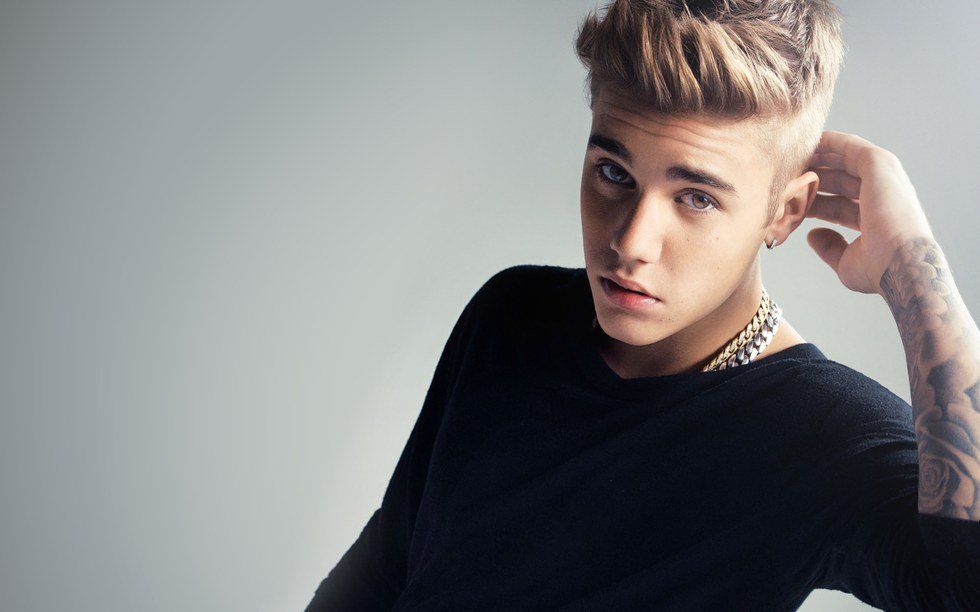
Even today, I'm still fairly critical of my music choices. While I never deprive myself of music based on it's general popularity, I select my public Spotify playlists carefully. I want to have and present a music identity that's been carefully cultivated and is maintained often. I sometimes have to remind myself that music taste is unique to each person, meaning that I get to love whatever music I want, and the rest of the world has to deal with it. It's way more satisfying to accept your real music preferences rather than try to create a fake music identity based on your peers' preferences. It might be scary to show your true "music colors," but it's worth it in the long run. I'll start, so you don't have to. I still like Justin Beiber's music. His comeback album is amazing, and I've listened to it at least 12 or 13 times through so far. So there, I said it. Please don't send me hate mail or gross things in boxes. Please.