

I had never been abroad. I had never experienced a foreign-language speaking country. I had never gone a week without my cellphone or internet access. I had never experienced a language barrier. I had never seen real poverty. I had never lived out of a backpack. I had never experienced what it’s like to live without clean water.
However, this winter break that all changed.
Alternative Service Break is a program through the University of Idaho that gives students the opportunity to experience extensive international service and provides first-hand insight into social issues and activism. Through subsidized trips, students and faculty spend two weeks on an international excursion submerged in realties that they might have never contemplated before.
My personal experience was in the Esmeraldas region of Ecuador and prior to my arrival in the rural community of Los Amazonas, I had no idea what to expect.
Preparing for the trip was like packing for a vacation but you have no idea where you're going. You can check your provided list two, three, four times but you'll never truly feel ready to leave. Partially because no one can prepare you for the personal journey that lies ahead of you. In just two short weeks, you'll return a changed person with a totally new outlook privilege and poverty.
So I settled for somewhat ready, partially rattled and totally unnerved. I made my way to meet my team of 13 other individuals and begin our trek toward Ecuador.
Now, there is no way I could fit the content of what happened to me in Ecuador in a single article, maybe not even a single conversation.
We arrived late in the evening in Quito, the capital. We stayed that night in a hostile with access to wifi, the last form of internet or cellphones we would see for the next 10 days. In the morning, we hurriedly said goodbye to family members and loved ones and boarded the bus that would take us to our first community, Los Amazonas.
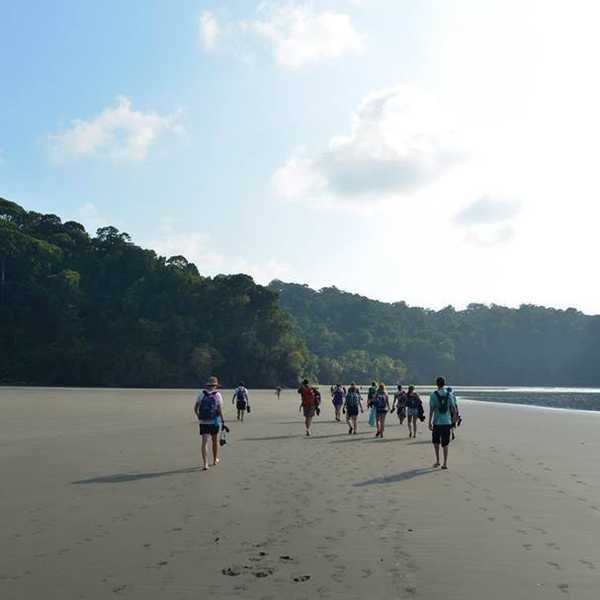
We spent four nights and five work days in this community and another five nights in the second community, Felfa. We ate as a team, slept as a team, got sick as a team and grew as a team. We installed biogas digesters, which is a source of renewable energy for the community members. We dug holes, mixed concrete, fixed rural roads and planted cacao on a hillside in the rain and extreme sun. We experienced sun burns, hungry animals, new born baby piglets, horse rides. We washed our clothes in the river that ran through the village, the same river we bathed in. We had little to no alone time even if at times we felt totally alone, foreign.
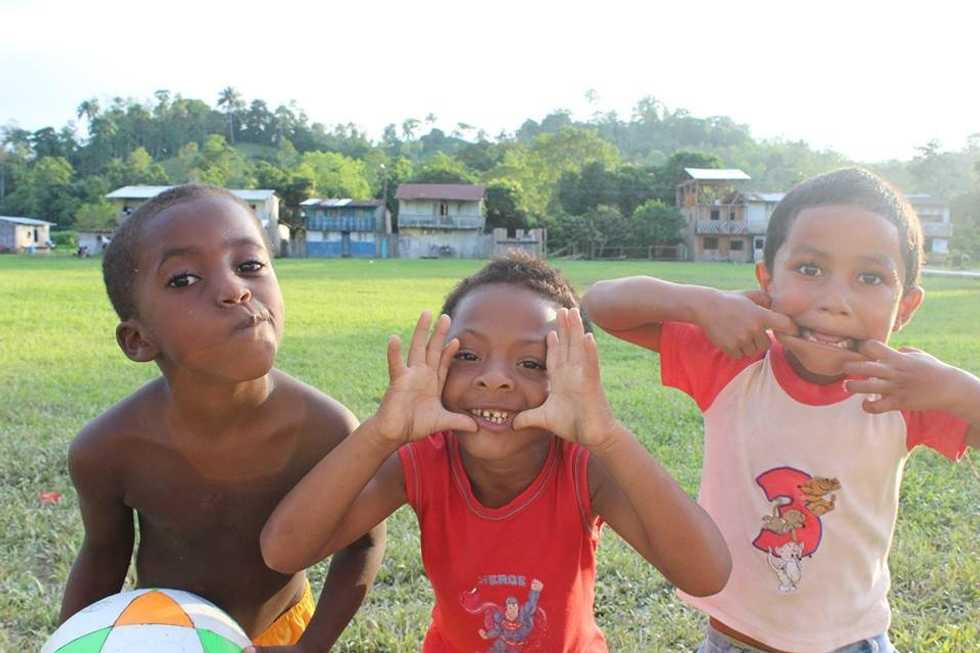
The two communities were very different in layout, community members and size. However, they both shared the same need. The need for clean water, renewable energy and an extra 14 set of hands. While Felfa community members were welcoming and boisterous, Los Amazonas members were much more reserved and privately curious. We connected with the children in the village of Felfa more so than the other however, we impacted their lives equally.
We were told by our site leader, Sam, that many of these people have seen little to no Westerners in their lifetime. We all had that in common. Many of us had never experienced their lifestyle, their daily lives made us curious and their customs intrigued us. Despite the noticeable differences in our appearances and lifestyles, we all shared a common interest. An interest derived by the fact that we are all human, we all have a common set of needs: food, water and love. .
While these people do live in poverty, with little access to clean drinking water and very little money made, these people do not suffer poverty. The difference is key.
They opened their home to us with as much joy and appreciation as any other human would. Because in the end, it's just that: one human helping another human. When we left, they were sad to see us go, just as we were sad to leave.
I embarked on this journey expecting to learn about myself and learn what it's like to lives with less.
Instead I was taught what it's like to live with more. More love and more sense of community than could be found in a ten-mile radius of suburban America. More helping hands and more smiling children. More connection to the land on which they build their lives. More conservation for non-renewable resources. More ingenuity.
More love.
















