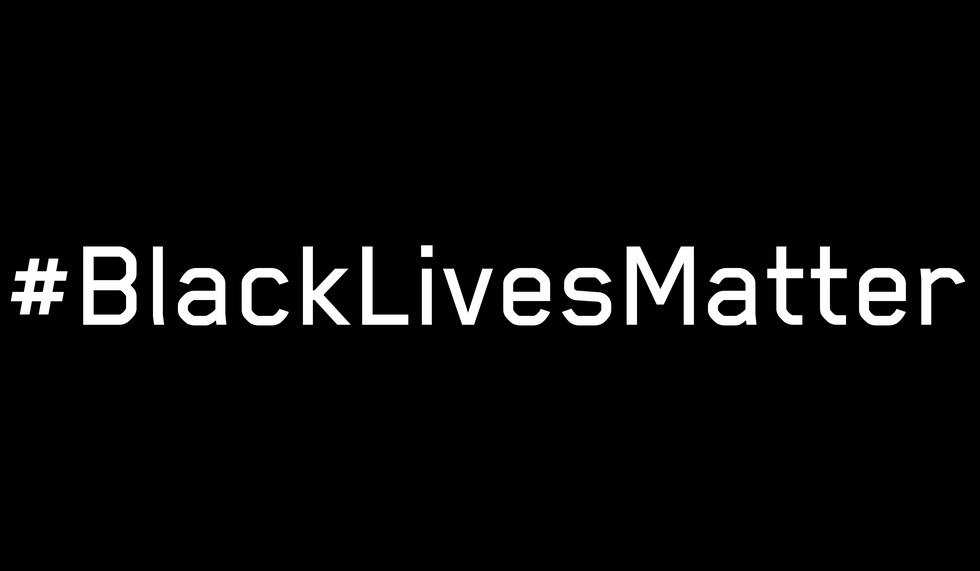
Yeah, that’s right, we kinda do. This hashtag surfaced in response to another, as you likely already know. #Blacklivesmatter appeared after the death of Trayvon Martin, but its relevance has not gone away. In fact, with each shooting of unarmed or non-combative black people, it becomes more relevant, and the conversation is again brought up as to why black lives matter right now. Still, this #Alllivesmatter plague, which has taken hold on social media, is beginning to surface more and more regularly. Now, let me explain why this hashtag is wrong, though its message seems genuine:
So, say you lost a close friend or loved one. It’s a hard situation, and one that many have had to deal with personally. Mourning is extremely difficult, and there’s no real way to feel like you’re ever navigating it the right way. It never really seems like the person is truly gone until they’re given a service and buried. Now, imagine the day of the funeral — the day you get closure, the day you hold back tears as you say goodbye forever. Now, what would you do if in the middle of the eulogy, a guest shouted out about their own friend, who also died suddenly, and how they matter, too? Now imagine that a good chunk of the other people there just couldn’t understand why you were so upset at the interruption, after all, their friend did die, too.
Ridiculous, right? Well, apparently not. #alllivesmatter still runs strong on Twitter, Facebook, and across the internet. The problem here is not an argument that all lives do not matter — on the contrary, they do, and that’s exactly why the #blacklivesmatter tagged surfaced in the first place. The fact is that incarceration and arrests of people of color are exponentially higher than those of white people. Not only that, but sentencing is statistically longer for people of color, for the same crimes, when compared to a white person. Opinions run wild, but facts and numbers don’t lie.
The media handling of these cases is appalling, and the willful ignorance of the people viewing even more so. News channels paint a picture that they want consumed by the viewers they have. If they want to paint a villainous picture, they will bring up past offenses, sift through personal photos to find the most questionable one to plaster up on the television. They will find dirt on the person, and they will spread it like wildfire. Go look through your own social media accounts that you think are personal and ask yourself: what kind of person could they portray you as? The partier: from that picture your aunt posted at the family barbecue. The criminal, even, as they find the time you had a run-in with the police as a young teenager, thinking that hanging out in empty parking lots or spray painting that wall was cool. In other cases, one may get their school picture put on screen, along with the long list of achievements they’ve accomplished, and how hard their life will be affected by the social media storm their case has caused.
It’s not that the supporters of the #blacklivesmatter movement are trying to convince anyone that only black lives matter, it’s that they’re trying to show the systematic and constant racism they deal with every day. They are standing up for themselves against being treated unfairly, just as anyone would and should. Next time (and unfortunately, there will be a next time) one of these countless cases where an unarmed person is murdered unjustly, and the person who shoots them gets off scott-free, instead of pointing out that time you were pulled over without being held at gunpoint, remember to ask yourself that when your mother told you to be polite to a police officer, was it because she was saying it with the fear you may be the next Tamir Rice, India Kager, or Alton Sterling?