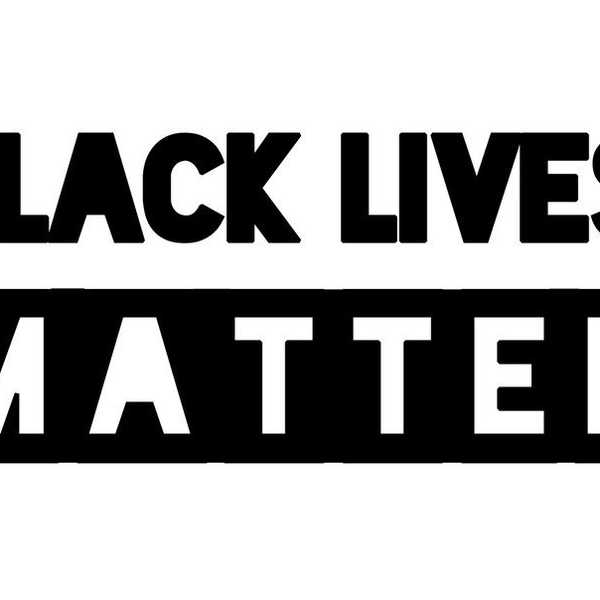
It's not black and white. You're going to have to look further into the grey of the "Black Lives Matter" versus "All Lives Matter" controversy if you want to see the truth of why each exist. Where will we start? One of those places can be social media.
Social media is probably the most powerful tool in the world today, because it is a medium that can transfer ideas from one person to another across the world within milliseconds. Social media is powerful, therefore, and to treat it without skepticism is to be naive about this power. Though there are endless applications one can find within the the parameters of a screen on a computer or mobile device, it is at that very click of the cursor where information is so easily transmitted that I can't help but wonder the following: how much of this information is actually real? What are the constructs?
What I mean by these constructs, these mistaken practices and definition of concepts, is that the internet is so easily either mistaken or fooled. One example, that ties later into "Black Lives Matter" is the tool called the "hashtag". Starting on Twitter in 2007, the hashtag was intended to be a way for social media users to connect by similar interest by grouping certain words together like #OlympicGames2016 or #TheBachelorette. By clicking on these hashtags, users could connect with other people who were in similar locations, watching the same programs on TV, or even in similar interest groups such as the now famous "Black Lives Matter" movement.
But as time went on, and more people all over the internet and other social media platforms (Facebook, Instagram, Tumblr, etc.) started jumping on the hashtag bandwagon, that didn't guarantee the efficient, correct usage of hashtags as they were intended to be at their inception. You've seen this happen before. It's like gossip. You hear that, "Jenny had a baby," by one group of people, and another group of people are saying, "No, that's just a rumor," or "no, it wasn't Jenny it was her friend." My point is, information and practice of new trends or fads not only fade over time, they become something totally different as more people assimilate with that evolved meaning.
So back to the hashtag, people began using the hashtag wrong, and it has become rather stale as an application. Ever seen an Instagram post like, "#cheesburger, #friends, #hebrokehisfootfiveminuteslater?" You get my point. Hashtags, over time, no longer were about connecting people to one another, they became about making emphasized statements as an individual.

However, #blacklivesmatter, was not one of these cases. There's a key difference in #blacklivesmatter and #alllivesmatter, and it is rooted not only by what each hashtag represents, but by it's utilization in general. It's important to note that #blacklivesmatter only exists because it was a movement of people first. Not only is it a movement, but #blacklivesmatter was purposefully promoted on social media, not as individual statements, but as a unification tool for groups of people around the world who have suffered and want to stand up against police brutality. Back to constructs, the ultimate construct is indeed the misuse of the hashtag, but it has lead to people misusing it so much that it has led to hashtags like #alllivesmatter to be created because, well, people don't really understand why people are saying #blacklivesmatter, and it makes them uncomfortable and want to fight back with their own hashtag.
The point is they don't understand two very key things in the stake of Black Lives Matter. First, people don't understand that #blacklivesmatter isn't a statement for one's self-- it's a tool to unify groups of people, just like the hashtag was intended to do. On the contrary, #alllivesmatter is not a movement and it is a composition of individuals who don't understand the truth about "Black Lives Matter" in the first place.

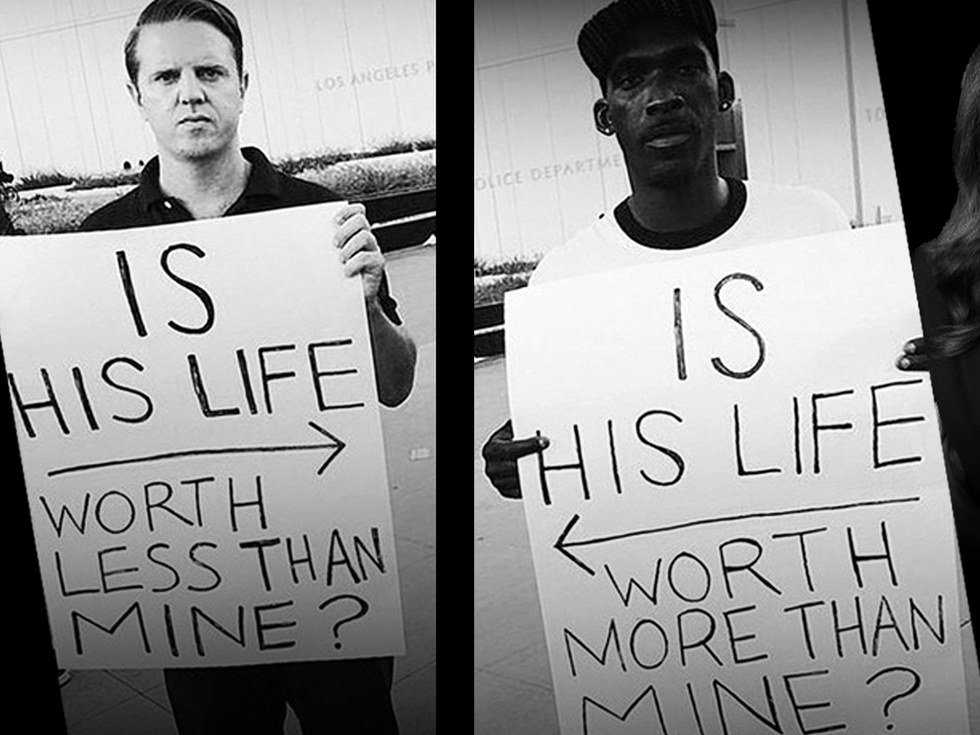
If you don't believe in the "Black Lives Matter" stance, as an American, I strongly recommend that you learn to stop voicing your opinion and start sharpening it by researching the causes and effects of oppression of the African-American people in this country. I would also advise you to thoroughly look into these extreme cases of violence and altercations between police and African-Americans (start with Oscar Grant, if you want). Whether you are of color or not, many of us will never experience police brutality. But does that mean that we must remain silent at the sound of injustice? Should we not cower at our American right to stand up and mourn for those who mourn, and fight for those who cannot fight?
It's time that we start paying attention to the world around us, listen, and learn the truth about why things are the way they are. If you find prejudice in your own heart, then you get my point. We both know you probably won't admit it. But let me ask you... What are you scared of? Even if it comes down to something as simple as a hashtag, you'd be surprise where misunderstanding draws so close to hatred and ignorance.