
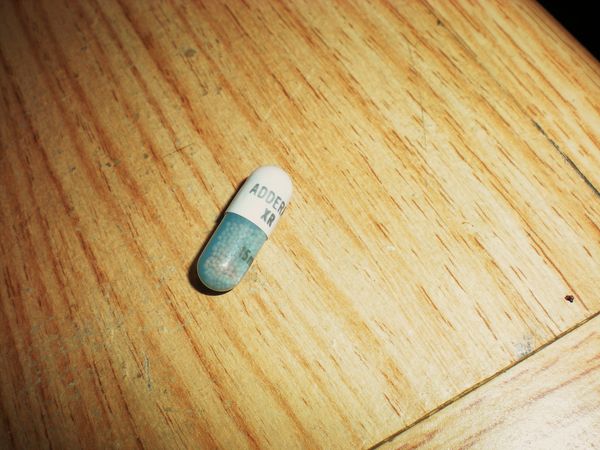
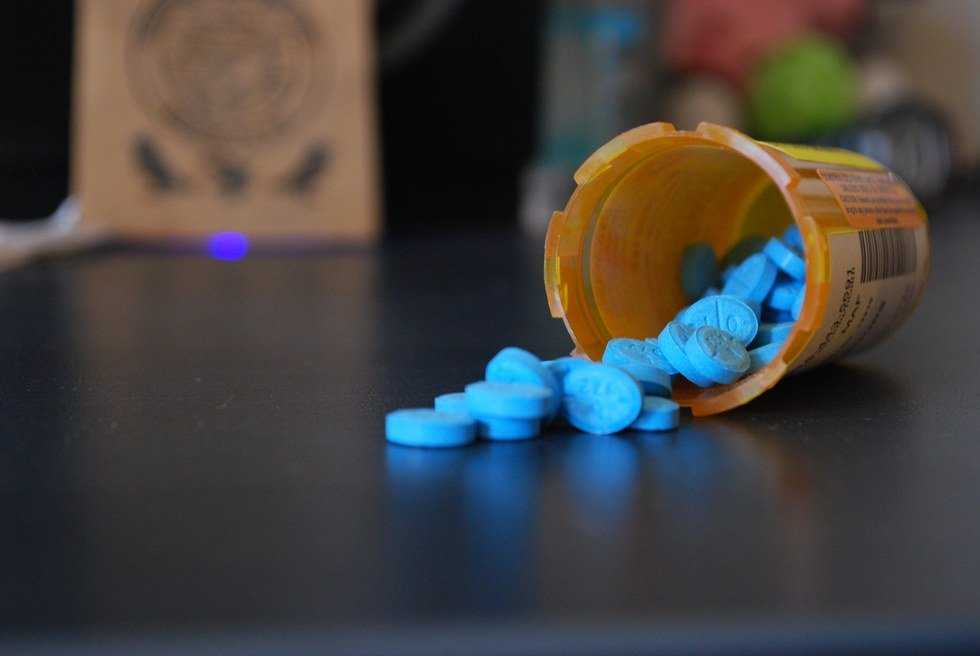
It is finals week for universities and colleges around the country and many students are looking for a miracle to help them pass. Thanks to those that have a prescription in their pocket, a tiny capsule, popped minutes before entering the library, is the key to students’ academic success.
Adderall, Ritalin, Vyvanse, and other “study drugs” are the primary treatment for Attention Deficit Disorder (ADD) and Attention Deficit Hyperactivity Disorder (ADHD). These pills have become increasingly popular among college students and young professionals who use them to enhance focus, concentration and retention for an extra boost of energy. For people with ADHD, the tiny blue pill is a lifesaver, but for many adults, it can become an addiction.
This search for an extra boost has been around for many years.
According to a survey conducted by Alan DeSantis, a professor at the University of Kentucky in 2011 found that 30% of college students aged 18 to 22 have illegally used prescription stimulants. There were 5.6 million monthly ADHD prescriptions written for people aged 20 to 39 and by 2012, that number has tripled to almost 16 million. The number of adults with an ADD/ADHD stimulant prescription is escalating faster than the number of children receiving the same drugs.
Prescription stimulants replicate natural brain chemicals that effect neurotransmitters called norepinephrine and dopamine that force those with ADD/ADHD to focus and concentrate. However, for those that do not suffer from an attention deficit disorder, the chemical overload in the brain produces the same effect cocaine or methamphetamine does. As pills have increasingly found their way to college campuses, many students not prescribed Adderall or other “study drugs” are abusing stimulants for nonacademic purposes.
In a recent article from the Huffington Post, Allen Frances reported that the most dangerous legal drugs are prescription written. According to Frances, Adderall and other stimulants are leading to twice as many deaths as street drugs, resulting in the amount of emergency room visits for nonmedical stimulant use tripling from 2005 to 2011. “Study drugs,” similar to heroin and meth, have become a leading cause of addiction.
Frances invited Dr. Gretchen LeFever Watson, a clinical psychologist and public health researcher to describe the increasing problem of Adderall abuse in writing.
Dr. Watson wrote, “Adderall and other stimulant drugs used to treat ADHD are now so prevalent on college campuses that students misperceive them as relative benign substances. They are selling, swapping, sharing, and stealing Adderall for a host of nonmedical reasons, including ‘pulling all-nighters,’ weight loss, and partying. As a result, the number of emergency room visits and deaths associated with non-medical use of ADHD medications recently doubled.” According to Dr. Watson, children diagnosed and medicated for ADHD are now entering college campuses with Adderall on hand. Through word of mouth, students learn whom to contact in a dire need of “study drugs.”
Some students who are prescribed, “study drugs” take it as an opportunity to make cash. A Hobart senior, who has asked to remain anonymous in fear of alarming college officials, has stated during midterms and finals, other HWS students turn to him for study drugs. He said he sells a 50mg of Vyvanse for $5. Although this may seem cheap for such a popular and addicting stimulant, an entire bottle of Adderall pills can sell for up to $300, especially during the most stressful times in the academic year.
At many colleges across the country students recognize amphetamines as the essential ingredient for academic success. The abuse of ‘legal speed’ drugs has led to significant psychological problems, such as increased violent and aggressive behavior, anxiety and paranoia, and hallucinations and delusions. Students both prescribed and not prescribed ADD/ADHD medications experience negative psychological effects, such as emotional instability and incoherence. Withdrawal of the drug can lead to depression, extreme fatigue and agitation.
At Hobart and William Smith Colleges, Adderall and other drug use has become an increasingly large problem among the student body. During finals week, the amount of Adderall being tossed around the library is at an all time high. Students that start taking medications increase their focus more but other students have said they are against the use of “study drugs.”
The most dangerous legal drugs are available for prescription to those that show even just a change of having concentration problems. As Adderall has transformed the illegal drug cartel by becoming a lead stimulant sold on college campuses, it has become one of the lead causes for overdose fatalities. It has gotten to the point where illegal drugs, like cocaine and heroin, have reached equilibrium with the seriousness attached to side effects and addiction rates of Adderall.
The more popular role Adderall plays in a students’ academic success, the harder it will be to end stimulant addiction rates. Educators and psychiatrists are working to fight the wrong war on drugs and finally find an end to the illegal market of Adderall prescriptions on college campuses.