I never realized how heavy doors could be until my palms met the chilly metal door leading to a new wing of the hospital.
Sitting in the waiting room, I tapped my foot against the tile floor. Ambient music accompanied a slideshow of various scenes of nature. The pictures looped every twenty slides or so. I counted.
The nurse asked who I had come to see. He led me through another set of heavy doors, which unlocked and locked at the press of a button. A different nurse took my purse and my cell phone and placed them within the nurses station. Thick glass separated the two of us.
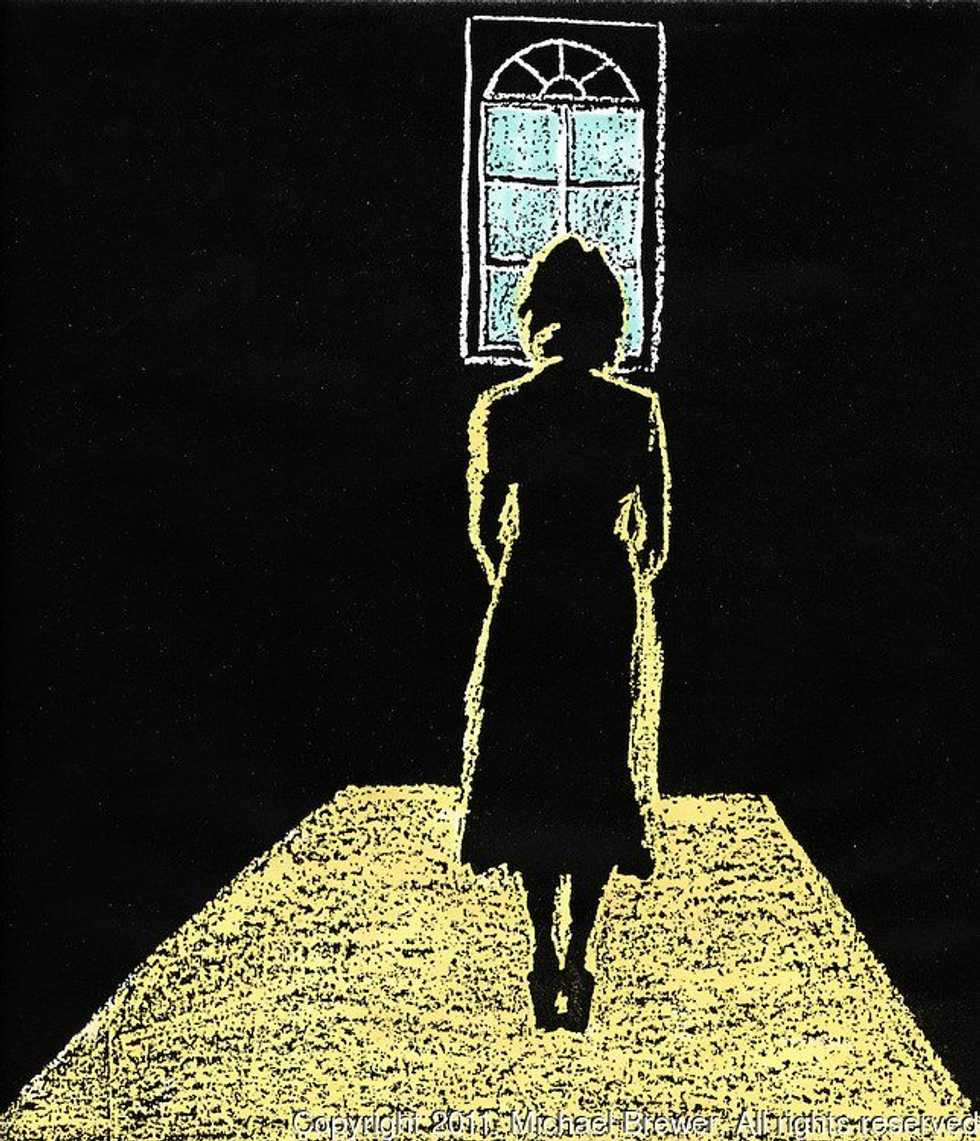
It had been less than twenty-four hours since she arrived, but the nurses informed me that she was doing better than expected. I entered a room with nothing but a bed and a window.
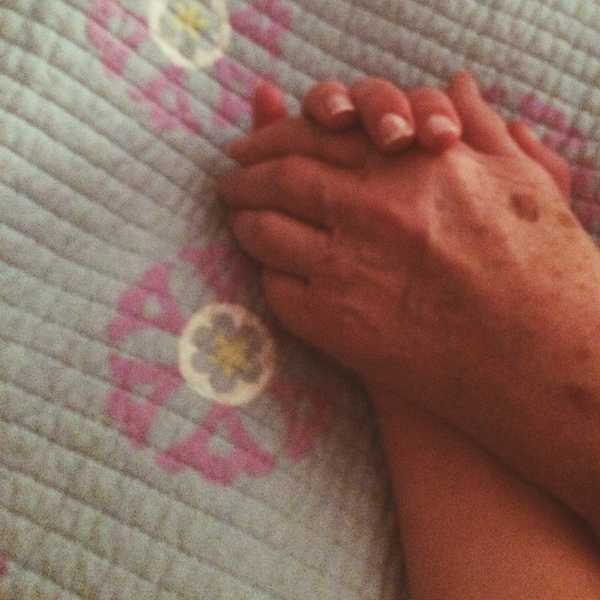
She was drowsy from the sedatives. Hospital bands looped around her wrists and bandages covered her arms. Sitting down on the floor next to her bed, I reached for her hand.
-
Although her time in and out of the hospital made my everyday tasks slightly harder to accomplish, my experience within the ward is completely dull compared to hers. These short sentences and descriptions hold little meaning. My wandering mind and anxious heart don't measure up.
My goal is not to make this about me but to share what I believe to be the truth.
It's natural and easy to view a person differently after they've encountered a traumatic or life-changing experience. Sympathy is second nature. After watching her go through treatment and step back into the outside world, I had the choice to sympathize or look at her no differently than before. I decided the latter.
Not many adults enjoy being treated like a child or a fragile house of cards that could collapse at any moment. What's the point of tip-toeing around and acting as if the person you love is a water balloon ready to burst?
Not every loved one will follow this case. But, my best friend would despise my company if I treated her like a half-melted ice cream cone.
I'm not saying her situation wasn't important, terrifying, or life-threatening. Her time spent in the ward was a whirlwind of emotions. I am sure there were moments when she felt like she was drowning even further. Yet, I also believe my attempts to keep her afloat had a positive impact.
Standing at the shore, I tossed life preservers her way. I repeated my attempts, even if she wasn't looking my direction. Whether she thought the depths were her home or chose to believe that I had grown sick of the cyclone and left her to drown. Even while her head was underwater, I continued to draw her to shore.
No matter the circumstance, storm or trial, she needed to know that I would still stand and wait for her to emerge from the waves.
Days after her move to a separate part of the hospital, she seemed more like the girl I always knew. She had appeared from the depths and we sat along the coast. The storm promised to clear for a while. I would drive down to visit, she would pick lint off the front of her scrubs, and we would laugh about life inside and outside of her white-washed room.
Although treatment isn't a straight shot, and humans easily fall back into their old routines, my friend needed my steady exterior; even if I was shaking on the inside. It was essential for her to understand that no matter the circumstance, I would continue to give her my hand to hold.