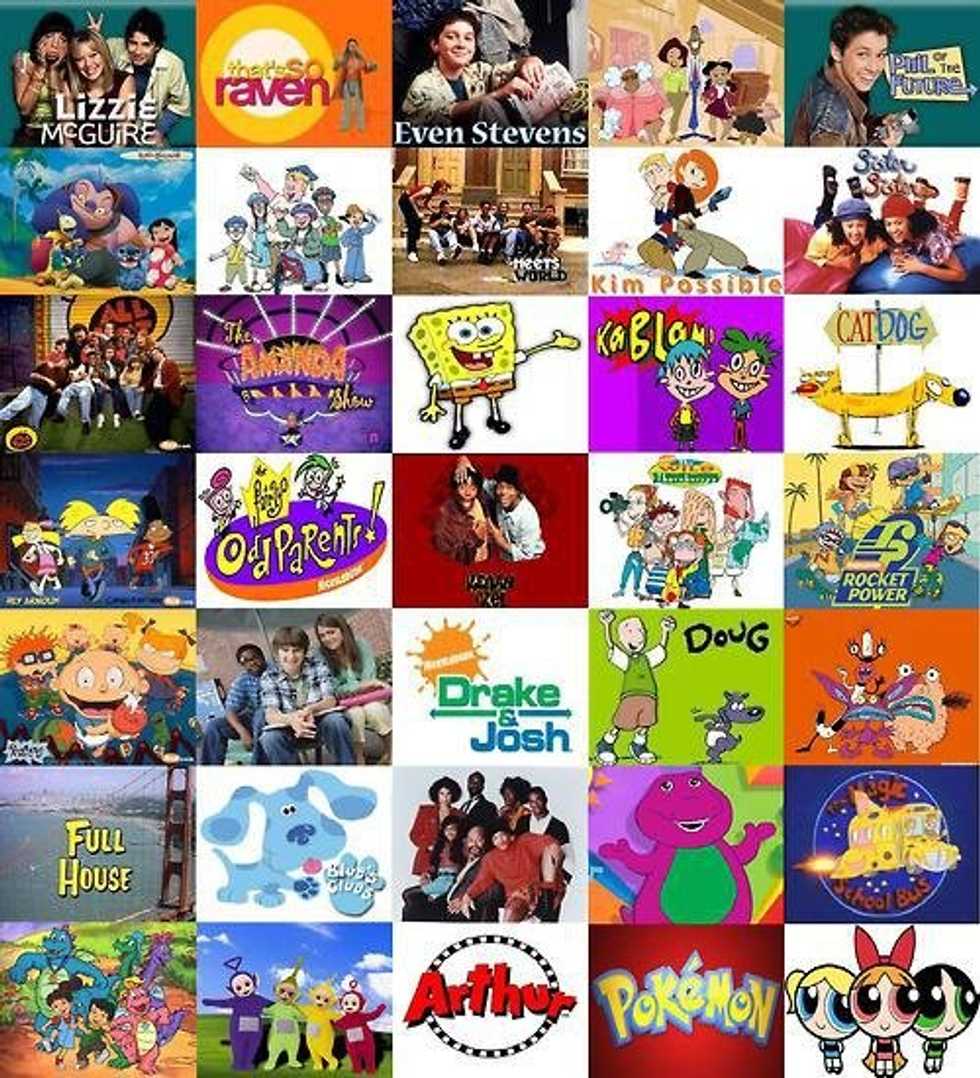
Remember the days of flip phones and dial-up Internet? Remember when the biggest worry in the world was whether you remembered to feed your Tamagotchi, when AIM was the most common form of communication, and everyone had a VHS player?
Oh, how the times have changed.
Smartphones are the new normal, and I’m not even sure if dial-up exists anymore. Also, It can almost be guaranteed that kids don’t even know what a Tamagotchi is, and movies stopped being released on VHS tapes almost a decade ago. It’s crazy how rapidly childhood has changed in just the past 10 to 15 years.
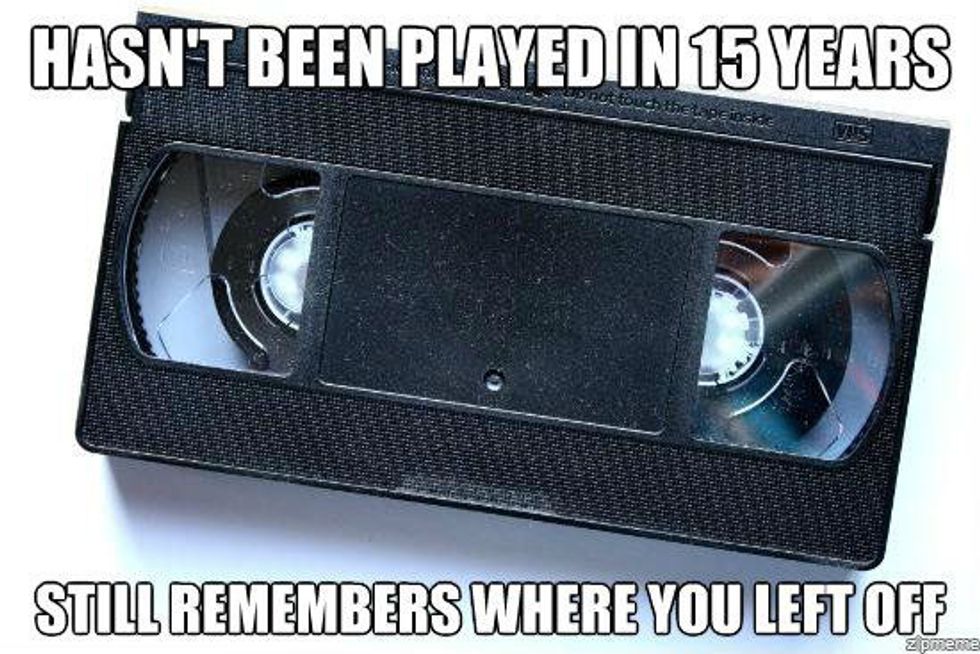
Since I’m 18 and just becoming an adult, I witnessed these changes from my childhood into my teenage years. Living through the days of flip phones and dial-up Internet taught me to appreciate the freedom that new technology presents. I’ll admit, I’m just as addicted to my smartphone as any college student, but we’ve lived without them for most of our lives, and we could do it again if we had to. Now with kids using them as early as elementary school, they’re developing the habit even earlier than we did.
They’re also getting into the habit of using social media earlier than we did. I’ve seen sixth graders with hundreds of followers on Twitter and hundreds of friends on Facebook already. Some of my generation had a MySpace account back then (with pictures and statuses we all regret), but we only added people we knew, and it wasn’t as important as hanging out with our friends. Now, instead of seeing kids playing football or soccer outside in the neighborhood like back in the day, it’s completely deserted. They’re inevitably inside on their phone, computer, or video games.
Being exposed to all this technology at a young age has its pros and cons. Most people know from personal experience that cell phone addiction is bad, but some researchers say that with video games becoming more complex, they could actually be making the next generation smarter. We showed off our creative side by building a Lego house; now kids play Minecraft and build a virtual mansion.
Of course, new technology is going to change childhood, but the differences go even further than that.
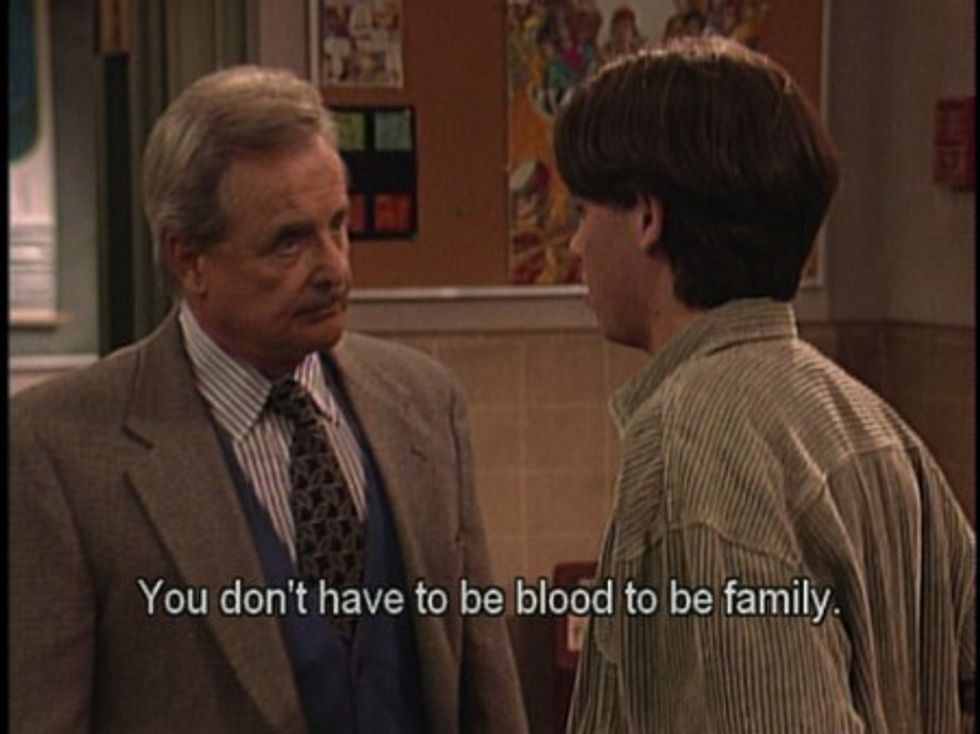
Kids' TV shows used to try to teach morals. Spongebob taught kids to be ugly and proud and Mr. Feeny had valuable life experience to give almost every episode of "Boy Meets World." It was okay that the good guy didn’t always win because he was taught to fight harder next time. Shows were pretty in touch with our everyday lives.
Now kids' TV shows rely too much on slapstick and corny jokes. The acting is so exaggerated that it isn’t even realistic anymore, and even though cartoons have always been unrealistic, the storylines have become much more simplified.
Maybe it’s the earlier technology obsession, or maybe it’s just my nostalgic bias about how great TV shows used to be, but childhood seems to have changed for the worse.