
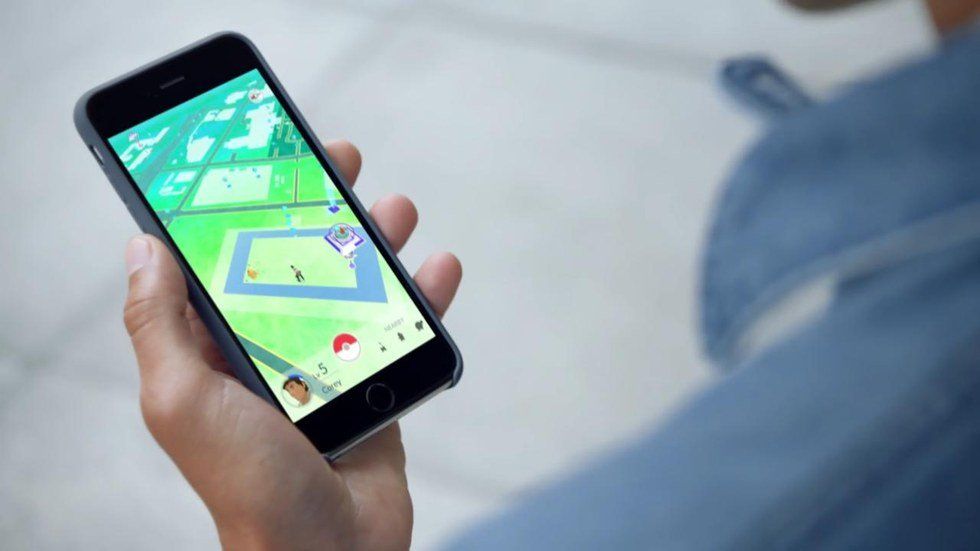

In the wake of the release of the international phenomenon, Pokemon Go, it would seem that it is the latest craze since Temple Run or Angry Birds. I would even say that it surpasses these two games in terms of popularity, fan base and cultural impact. Whereas, past phone app games were excruciatingly repetitive (a person played to beat their high score) and required little investment on the user's part, Pokemon Go redefines the gaming experience, which may explain its prevalence everywhere since its July 6 release date.
Actually, the word "prevalence" only skims the surface. For the past few weeks it has been nearly impossible to scroll down my Facebook feed without passing by three or four articles written about Pokemon Go (though more times than not there were more than that). Developers have even gone so far as to create the Google Chrome extension PokeGone to eradicate any and all trace of Pokemon Go from your internet searches. The app is a worldwide epidemic that has some -- namely, non-gamers -- feeling out of the loop or, in my case, more than slightly annoyed.
Below are reasons why people should not play Pokemon Go, as well as reasons detailing how it is anything but helpful to society.
It increases our ever-growing dependency on technology.
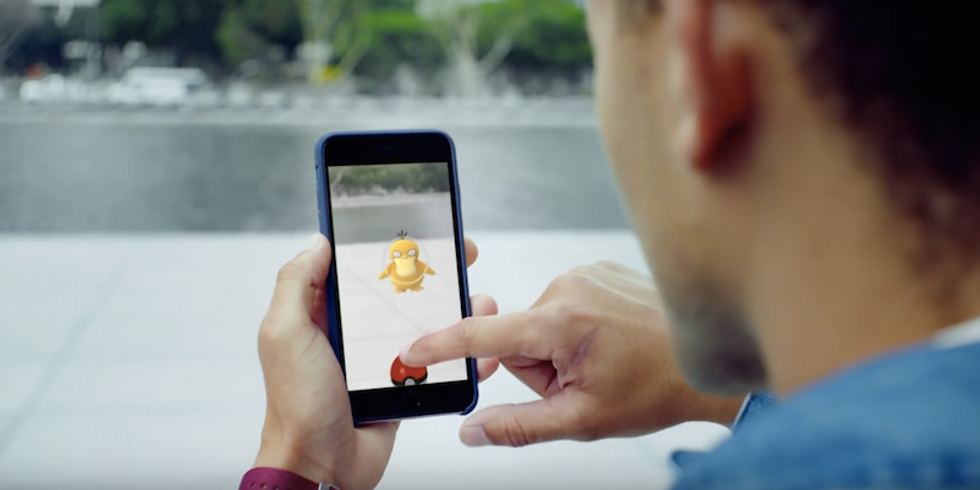
Some might argue that this is a good thing. I hold a different mindset. When technology -- especially smartphones -- educates us, helps us communicate better with each other or improves our quality of life (the dawn of Google Maps definitely improved my life), this is inherently beneficial interaction. Entertainment, however, does not fall into that category -- and games are most certainly a form of entertainment. If anything, we should try to move away from technology, or soon enough our happiness will be so dependent on smart devices that we will not be able to imagine a world without it. Honestly, there is so much more to live for.
The app requires a serious amount of your personal and private information.

Writers have written a plethora of articles on the subject, but as any Pokemon Go user knows, the terms and conditions of the app require an uncomfortable amount of private information from the player. Why does Pokemon Go need to know all of this personal information, and what does it do with it? Even if there was a legitimate reason, the question of security is another huge issue to consider. We live in a world where more and more of our information can be found on the web. We live in fear that hackers will tap into that private intel with the click of a button. We need to be wary of where our information goes, and who we allow to access it. After all, we are the ones who are agreeing to it.
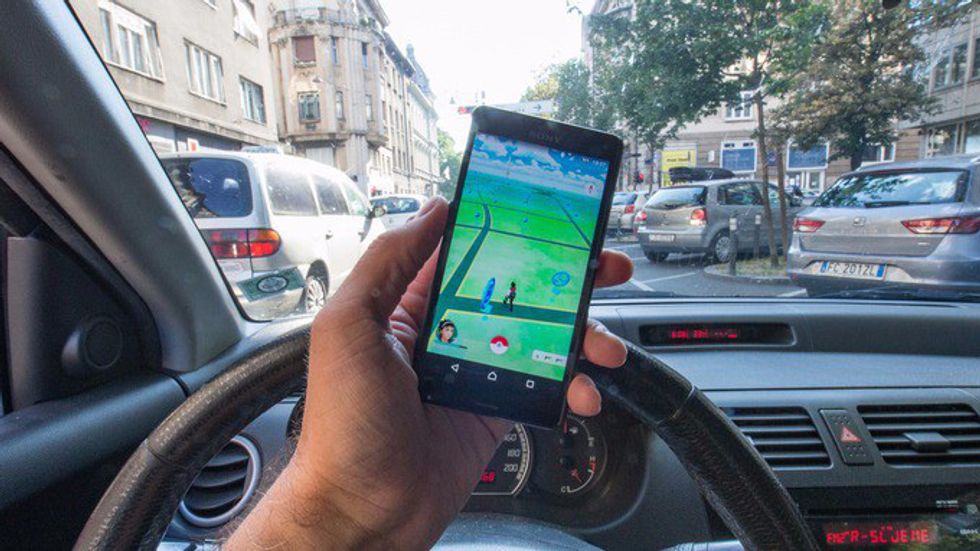
It only gives drivers another method of distracted driving.
People are quitting their jobs to dedicate their time to catch all 151 Pokemon.

McDonald’s just became a certified Pokestop.

That is right! Japan recently added McDonald's to its list of pokestops. Much to the detriment of Pokemon Go players' health, every McDonald's in Japan -- which totals approximately 2,900 locations -- will serve as a spot for users to both train their Pokemon to fight against other players, and to restock their pokeballs to catch more Pokemon. Though this is a Japanese-based initiative on McDonald's part, I would not be surprised if this mission is a trial run for future investments. If business increases enough, it is highly likely that McDonald's, or other fast food restaurants, will make a similar investment in the States. The promotion of fast food is far from what the U.S., a country suffering from an obesity epidemic, needs at the moment.
The app knows your every move; location services never seemed so scary.
If you are anything like me, you are paranoid when your phone uses "location services," and probably for just cause. You might logically understand the purpose behind it. It is impossible to use Google Maps or to find out if there are "targets near me" if your phone does not register your location. How can your phone know where your destination is if it does not know where you are currently? Even so, Pokemon Go is like any other app that uses location services -- but on crack. It knows the exact dimensions of your house, as well as the precise location of everything else in your area. Whenever you open the app it knows where you are and tracks your every footfall. Where does all this information go and what does Pokemon Go do with it? The thought is too unsettling.
More people are walking outside and getting exercise, but for all the wrong reasons.

Of course, it is all good and well that people are walking outside more. I have a hard time arguing with that. But is it really a good thing if people are doing it for the wrong reasons? For one, how long will the Pokemon craze last, and when will users become bored? Whenever that happens, any and all exercise will cease. Pokemon Go users may find themselves exercising for the time being, but that will eventually terminate because gamers are not walking for the sake of walking. They are not doing it because they neither feel an impetus to live a healthy lifestyle nor necessarily enjoy walking. What is the point if they will not commit in the long term? Individual changes are great, but solely when they result in pervasive lifestyle changes.
Our relationship with nature continues to be stunted.

The beautiful outdoors should not seem so foreign and faraway, and nature definitely should not be seen through a phone screen. We need to live in the moment to truly appreciate what the world around us has to offer: trees bearing heavenly fruits, birds and their sweet songs, that big old blazing star in the sky and so much more.
We become all the more entrenched in a virtual reality to the detriment of familial values.