
As a trumpet performance major, I've come to find that there is a large number of misconceptions that fellow college students have about music majors and their studies, commitments, and lifestyles. Here I present some of the most common misconceptions I have heard and explanations of why they are complete, utter bologna.
1) Music majors don't have any homework.

Somewhere between classes and evening ensemble rehearsals, we are required to do written homework for most of our classes, as well as regular studying for tests ON TOP OF practicing, composing, etc.
2) Music majors don't have to write papers.

Music theory and music history are two core parts of any music major's curriculum. Theory often calls for advanced theoretical analyses of music, including hypotheses, diagrams, footnotes....you name it. These papers, like any other, can be anywhere from 2 pages to 20 pages. Music history is a written course, which means papers, papers, papers.
3) Music majors don't have to practice every night...
"Didn't you practice last night?"
Yes, we have to practice. And like other majors require regular homework and studying, we are expected to practice just as regularly. Taking time off stunts our growth and prevents our muscle memory from developing. Most of us practice at least 5-6 nights a week.
4) Ensembles are fun, right?

The standard ensemble rehearsal: There is no talking. There are no cell phones. There is zero tolerance for being 0.5% unprepared. There is no chill.
Just kidding...well, sort of. We make it fun.
5) Well you had ensemble last night, so you're obviously free tonight, right?!

Our answer almost every time: "Nope. I have ensemble rehearsal."
6) We are either stoners or geeks.

Like many other majors, musicians come in a variety of forms. We don't all look the same - some of us wear t-shirts and jeans, others dress to impress every day. We don't all act the same - there's always one kid who gets by without doing all of the work, and there's the other kid who practices a zillion hours a day and often forgets to eat and/or shower. Some party, some don't. Some get into trouble, some are major campus leaders, and a number are double majors and specialize in various topics. Above all, we value the diversity within our field and appreciate each others' quirks.
7) Music majors only listen to classical music.
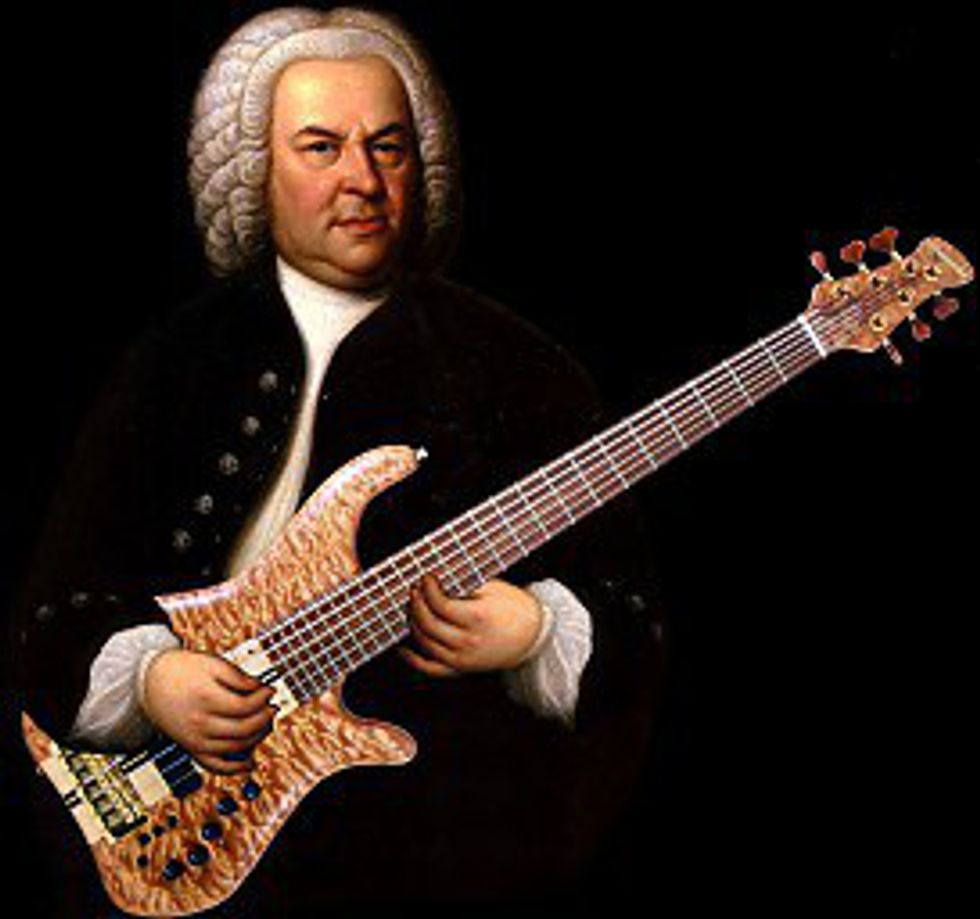
From Bach to Beyonce to The Beatles, music majors often have highly diversified playlists and music tastes. Incidentally, we are sometimes required to listen to other genres for coursework, including jazz, classic rock, and movie scores. Some of us hate classical music, others prefer it above all other genres. We all have different favorites, and we often look to each other for recommendations!
8) Music majors graduate only to go live in cardboard boxes...or something like that.

While the music business is undeniably difficult to enter, those who do choose to pursue music as a career are well aware of its rigor. On the whole, we are, in fact, extremely driven, and don't let rejection get in the way of achieving success.
Many of us get calls to play at local venues and teach privately. Some go into teaching or playing full-time, and others attend graduate school in areas like performance, conducting, musicology, and composition, which help us develop our skills even further.
Additionally, not all musicians choose to enter the music industry. Many go on to pursue endeavors and graduate work outside of the field. In fact, music majors have the highest medical school acceptance rate: 66% of music majors who apply to medical school are accepted, with the next highest among bio-chem majors (44%).
9) Music majors don't have lives.
Yes, we're busy. Yes, we're stressed. But above the practice and time commitments, we study music because we love the art. We spend our lives making and studying music surrounded by people who appreciate it just as much as us, but we take time to get to know each other within our field. At the same time, we have friends outside of our department/school. Many of us participate in extracurricular activities beyond music. We are, however, grateful for the opportunities music presents and hope to share it no matter where life takes us.