
...that old mantra is actually pretty valuable.
So, you've had some trouble sleeping. Maybe you're taking a heavy courseload, or things have been tough at work, and your stress has been keeping you up at night. Maybe you've missed so much sleep that you're stressed about losing more!
A healthy sleep schedule can help you in every facet of life. Stress is not manageable unless your body is equipped for it.
These eight tips could help you get your sleep cycle -and your physical and mental health- back on track.
1. Go to bed earlier in small time increments

It's impossible 2 am bed time to a 10 pm bed time in one night; sure, you can take a melatonin tablet and maybe fall asleep a couple hours earlier one night; but your body will be thrown into wack for that one day. Our body clocks are better equipped to handle slow, steady to change. Waking up earlier in smaller increments. 30 minutes is a great choice. Aim to go to bed at 1:30 am one night, then 1 am the next night, 12:30 am the next night, and so on.
2. Set multiple alarms
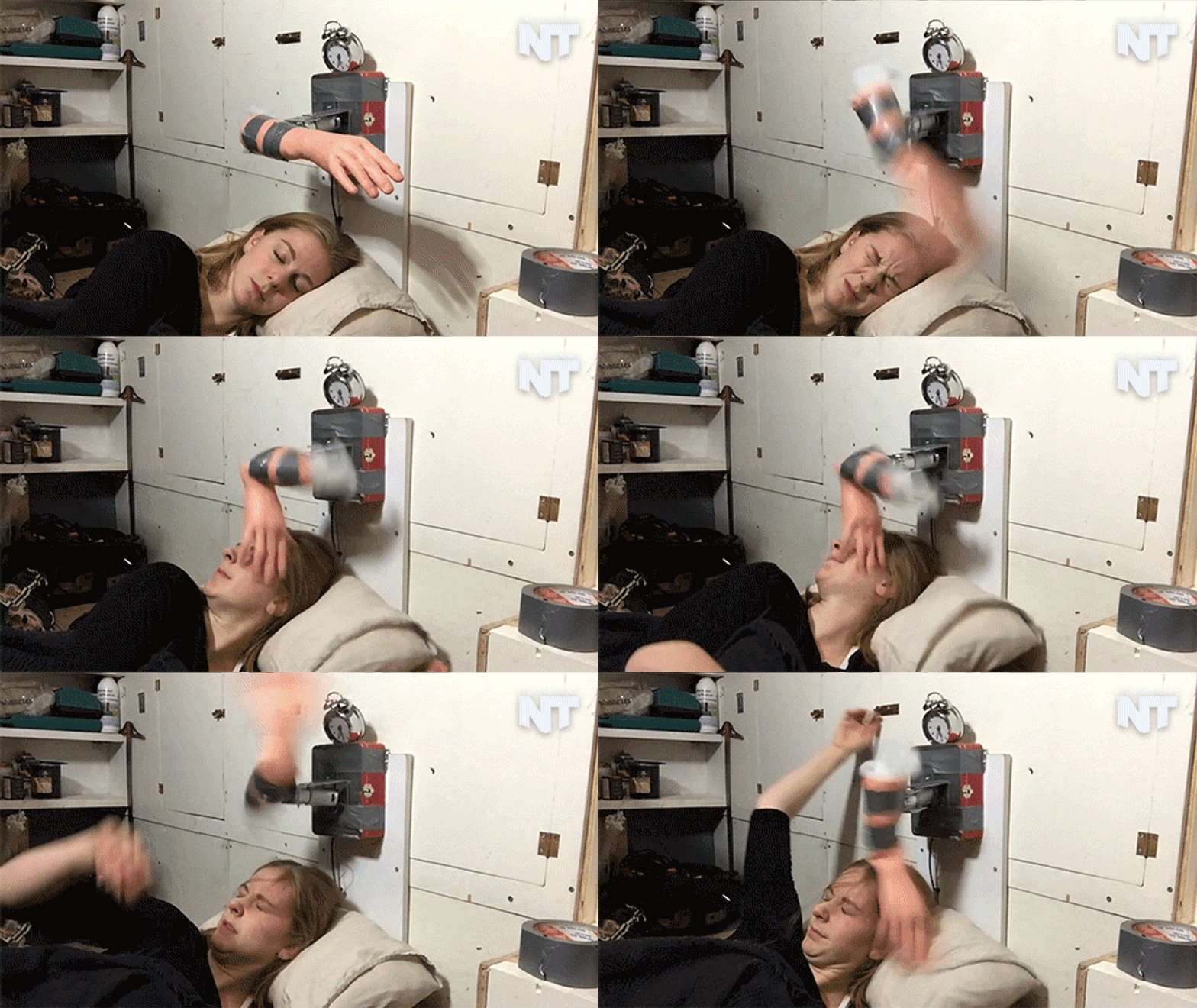
This is more of a wake-up trip, but waking up early in the morning is integral to getting to bed early later that night. Setting multiple alarms will disrupt your normal sleep cycle and might make you feel grumpy one day; but if you make your body go to bed earlier, you will catch up on that sleep, and hopefully wake up earlier the next day naturally.
3. No caffeine 4-6 hours before bed

This is so often overlooked, but it's crucial. Caffeine not only wakes you up, but it makes your heart rate go up and can increase your anxiety dramatically. Avoiding caffeine can also prevent you from having nightmares. Many people know this, but they often times just think "oh, so no coffee before bed!" We tend to forget the other various foods and beverages: soda, non-herbal teas, precious chocolate, and even some medications.
However, you might want to try...
4. Herbal/non-caffeinated tea

The "true" teas, (black, oolong, green, white, yellow) are made from the caffeine-containing shrub Cameilla sinensis.
Herbal teas, however, do not typically contain caffeine. A hot drink before bed not only aids your digestion, but the ingredients in herbal teas are typically very relaxing and thus good for sleep. Some of them -- like chamomile, mint, and lavender -- have actually been proven to help you fall asleep and are marketed as "sleep teas."
5. No screens before bedtime

The blue light from your iPhone, tablet, or laptop tricks your brain into thinking it's daytime, which can delay the release of sleep-inducing melatonin. Even television could be harmful. Experts have recommended not looking at a screen for at least 30 minutes before bed; some even suggest an hour.
6. Take a warm shower
A warm shower not only relaxes you and can be stress relieving, but gives your body something to cool off from. It's the cooling off, rather than the warming off, that helps you fall asleep quickly. Your body temperature slowly drops, which brings you into sleep mode.
If you don't have time to shower, try running your arm under warm water for 5 minutes to get the effect.
7. Meditate

Mindfulness before sleep takes your mind off of your anxieties and fears and focuses you on your breathing, and your body in that moment. If you're anything like me, 99% of the reason you can't sleep is anxiety. The focus on breath takes you away from your head; and the breathing techniques of meditating can relax your body, so you can fall asleep naturally.
8. Medicate
If nothing else works, medication is obviously proven to help. Melatonin is a good place to start because it's over-the-counter, and it's the chemical your body naturally produces before sleep anyway. If that doesn't work, I would recommend consulting a doctor before trying anything stronger.