Chi-Raq
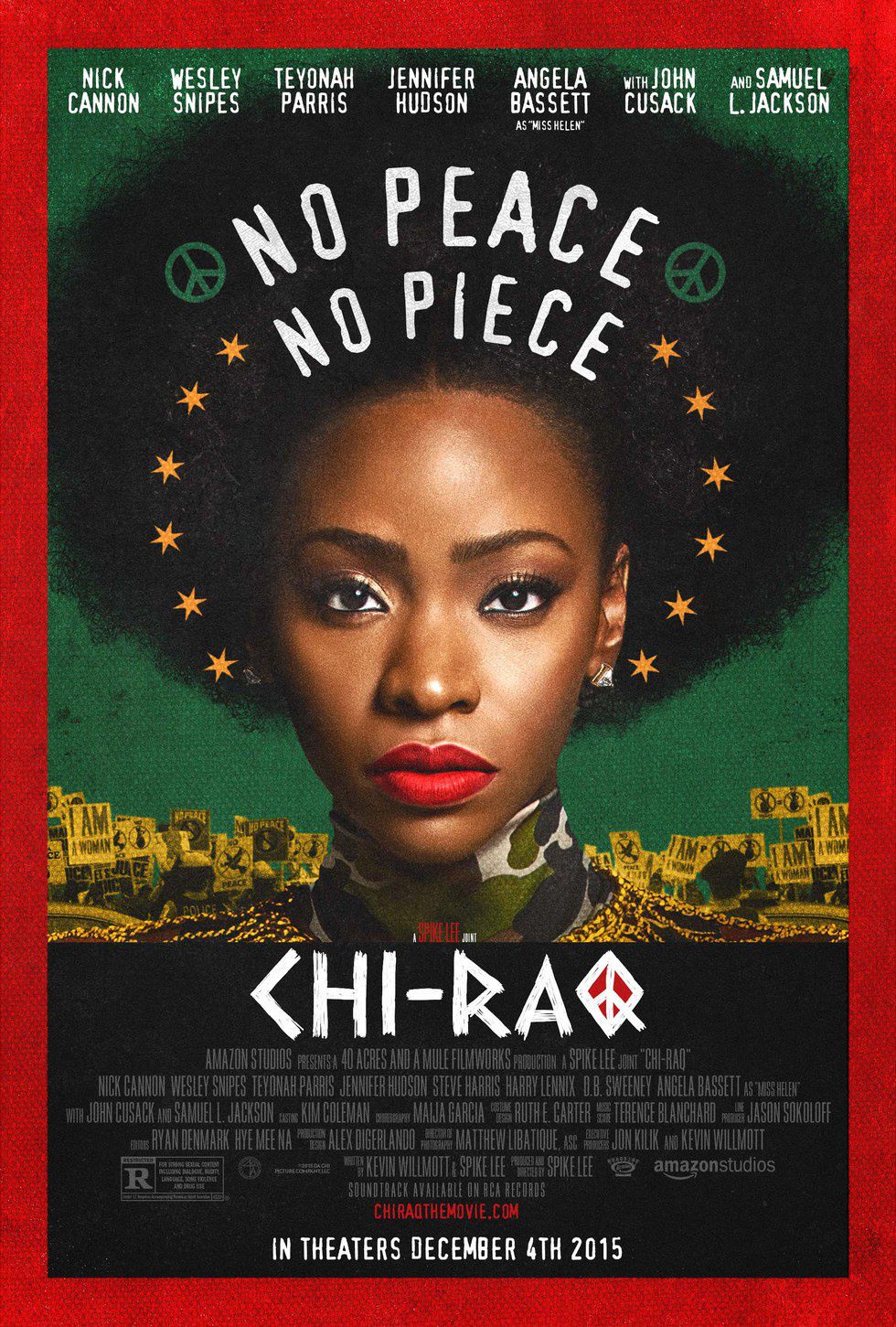
Director: Spike Lee
Release date: December 4, 2015
IMDb: 5.7/10
Spike Lee’s adaptation from the ancient Greek play Lysistrata by Aristophanes depicts Chicago at its most violent. As the film begins exemplifying the on-going violence of Chicago’s Southside, Lysistrata (Teyonah Parris), the girlfriend of the gang leader known as Chi-Raq (Nick Cannon), creates a movement that challenges the cesspool of gang warfare and macho misogyny by grouping women from each gang and abstaining sex until the men end their cyclical violence.
This dramatic musical film represents women of all ethnic and cultural groups, enforcing intersectionality in a blockbuster picture. However, the film serves mostly as a representation for those who are disenfranchised, suffering in cities without representation in government and calls for an updated history lesson.
Hanna

Director: Joe Wright
Release date: April 8, 2011
IMDb: 6.8/1
Raised in the austere Finnish wilderness with Grimm’s fairy tales, Hanna (Saoirse Ronan) has been trained by her father (Eric Bana) her entire life to be an assassin. She is sent by her father on a mission across Europe as she evades other agents, who are being sent after her by a ruthless spy Marissa (Cate Blanchett), who once worked with Hanna’s father.
The young girl who has been trained as a human killing machine inherently juxtaposes the stereotypical blockbuster action films, maybe besides Kick-Ass, but director Joe Wright discussed his desire for setting a new standard for lady action heroes with The Wire. He made the movie as "a reaction against a kind of prevailing sexual objectification of young women" and to express disappointment with "the traditional, testosterone-driven, misogynist, right-of-center action movies that have absolutely no regard for their subtext whatsoever." Throughout Hanna, our protagonist does not wear sexually exploiting clothing, she has immense female strength and empowerment, and the film entirely is not a necessarily a revenge thriller, but a coming of age film.
Belle
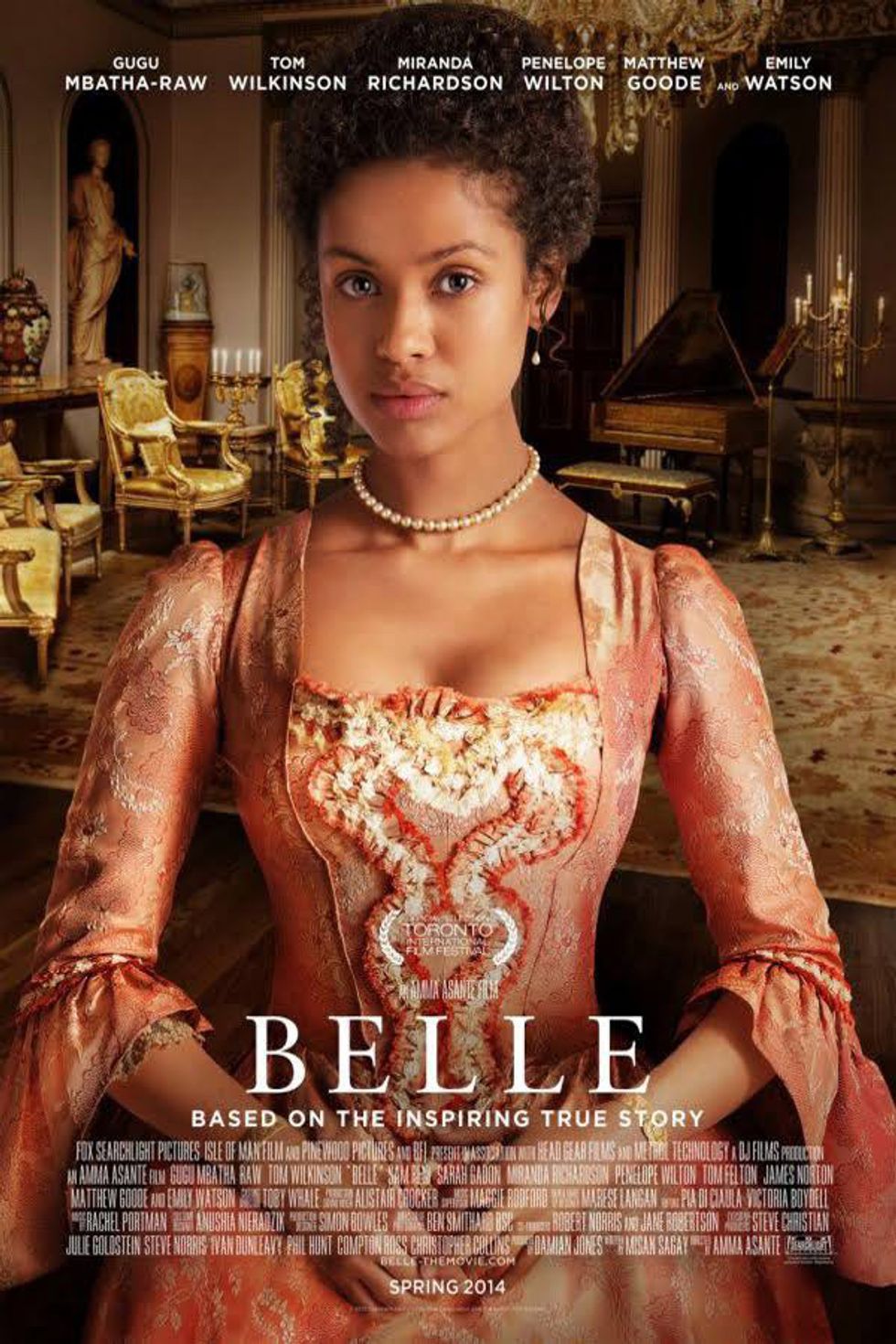
Director: Amma Asante
Release date: May 2, 2014
IMDb: 7.4/10
Inspired by the true story of Dido Elizabeth Belle (Gugu Mbatha-Raw), the illegitimate mixed-race daughter of the admiral Sir John Lindsay (Matthew Goode), who is raised by her great-uncle and his wife, allowing her certain privileges, despite her status in the derogatory racial society that she lives in. The story begins with Belle contemplating if she will be married, but soon after she plays a vital role in the Lord Chief Justice’s campaign to end slavery in England. The film is a Jane Austen novel infused with a wide-spread political issue.
Britian’s Amma Asante discussed women in the film industry with Elle magazine, posing the question, "Who defines us—society or us?”, and following with, “As women, haven't we all been there at some point—where we just don't know where we find ourselves? We don't know where to look and find that reflection of who we truly are. For me, Belle is a movie about instinct versus conditioning.” This film doesn’t only discuss the issues between class, power, and race, but highlights on the importance of individuality, despite the norm for 18th century women to conform to society’s standards, which is incredibly important message for the women of today.
Princess Mononoke
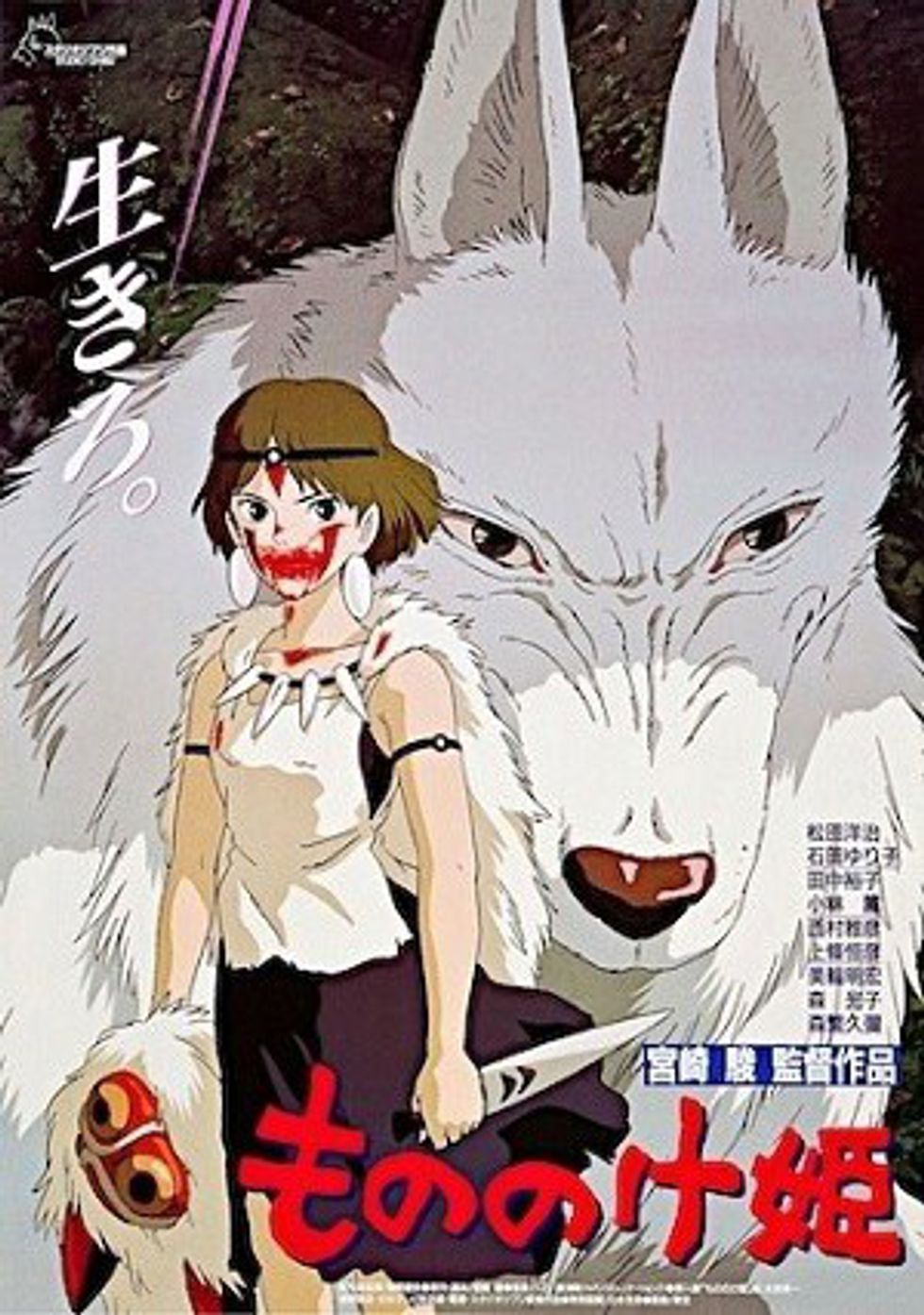
Director: Hayao Miyazaki
Release date: October 29, 1999
IMDb: 8.4/10
Princess Mononoke is one of Miyazaki’s feminist masterpieces, combining both his reoccurring theme of nature preservation and one empowering female lead. Princess Mononoke or San (Claire Danes), our lead female protagonist was raised by wolves in the forest that Lady Eboshi, the leader of a iron-working community, wants for its resources. Together, San and Ashitaka, a brave but cursed warrior, must stop the war on nature to preserve its beauty and to protect the Forest Spirit.
Miyazaki, a prominent director of Japanese animation, is most known for setting a high standard of developed characters, both male and female. There are a wide-range of women from all classes that appear in Princess Mononoke, including the wolf princess, the mother wolf (Gillian Anderson), the women of the ironworks, and the women of Ashitaka’s village. The two main female roles of the film represent two different sides of conflict: San and her mother who want to protect the forest and Lady Eboshi who wants to protect the ironworks and its working people. The ending of the film ultimately symbolizes a merging of feminism and environmentalism. Miyazaki presents his audience with women who are not objectified or romanticized and the men of the films are always respectful towards the opposite sex. The well-rounded characters of his films help epitomize diversity and complex messages.
Kill Bill Vol. 1 (and Vol. 2)
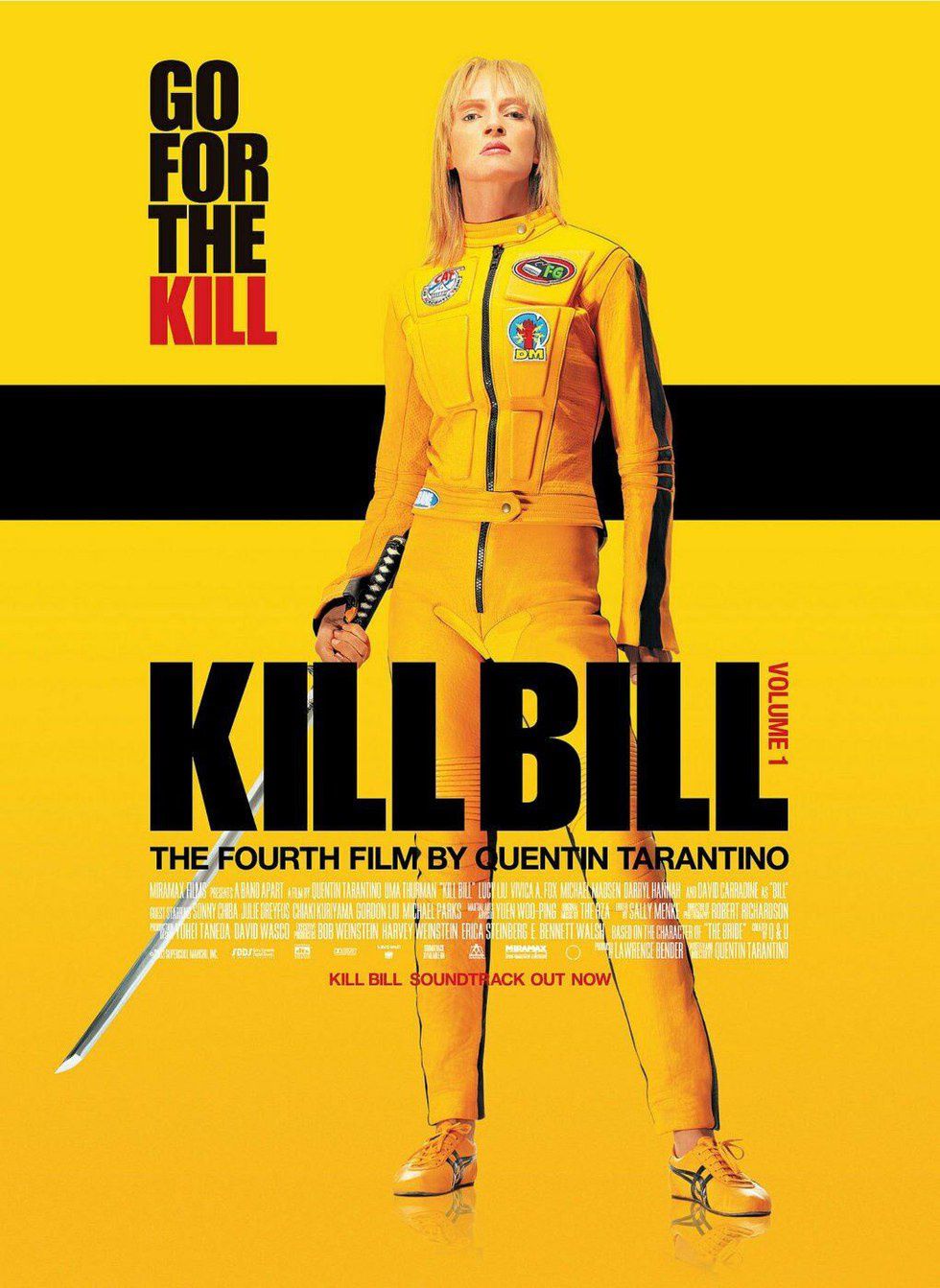
Director: Quentin Tarantino
Screenplay: Quentin Tarantino, Uma Thurman
Release date: October 10, 2003
IMDb: 8.1/10
A former assassin, simply known as “The Bride” or Black Mamba (Uma Thurman) awakes from a coma after her ex-lover Bill (David Carradine) and the other members of the Deadly Viper Assassination Squad attempt to kill her during her wedding rehearsal. Entirely fueled by revenge, the lack of four years of life spent in a coma, and the loss of her child, she vows with insatiable desire to get even. Kill Bill is a rage film series dedicated to killing off the various member of the assassin group, saving Bill for last.
Tarantino describes Kill Bill as a “feminist statement”, exemplifying “girl power”. Yes, these things are true – The Bride is incredibly intelligent, determined, and her confidence is empowering; however, there the way Hollywood frequently depicts women with sexual trauma is idealized, particularly the scene with Buck selling out the Bride’s body while she’s in a coma. Rape is often used as a rancor catalyst for a female’s journey, and although Kill Bill is groundbreaking in terms of other revenge films, sexual assault should not always be idealized and fetishized. This concept is seen reoccurring in films like The Girl with the Dragon Tattoo and Kick-Ass 2. This is something to take into consideration as you watch the movie from a feminist perspective; however, despite these issues, Kill Bill provides its viewers with an influential feminist role model and remains in good-standing with feminist ideals.
Felt
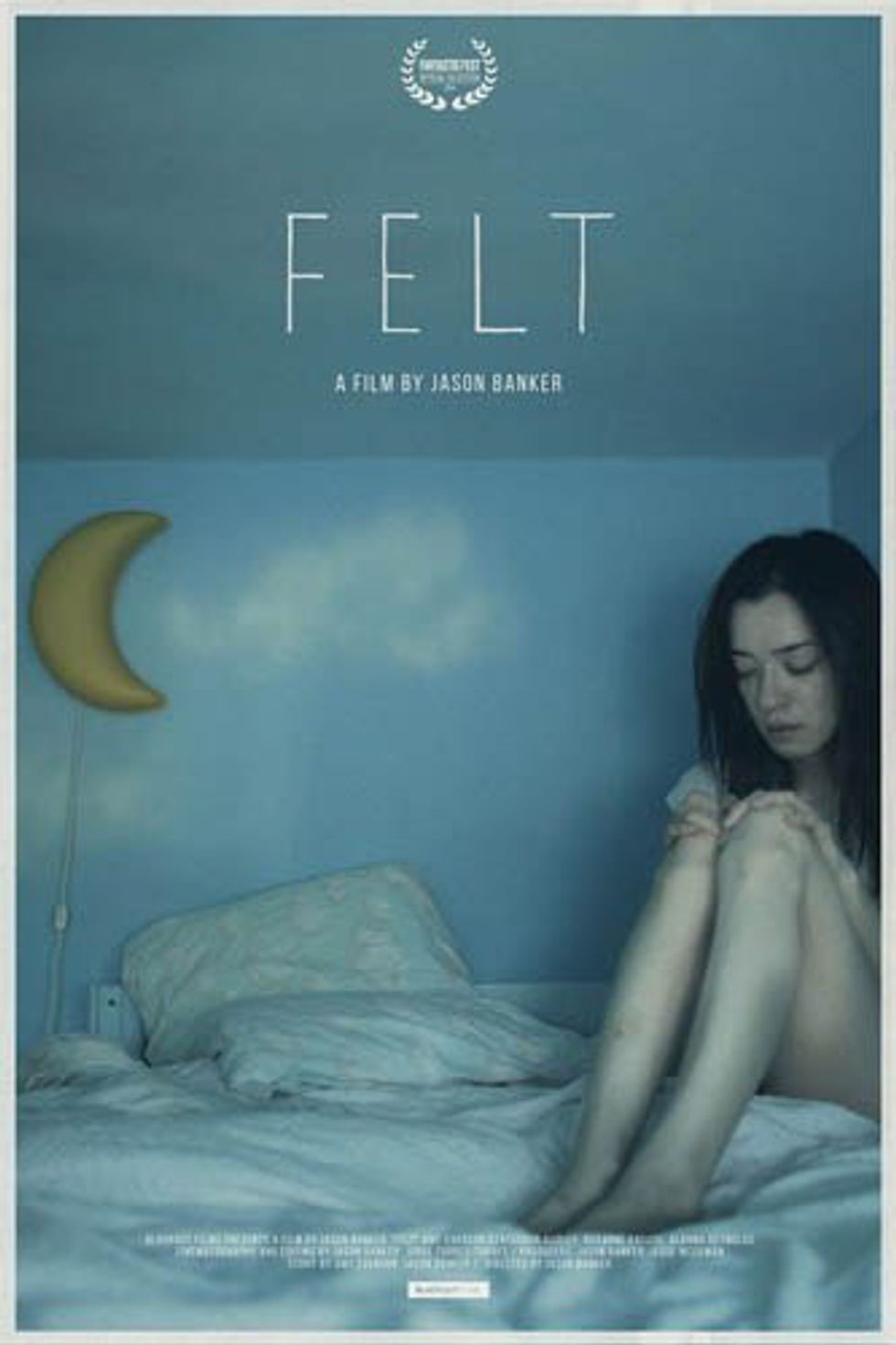
Director: Jason Banker
Screenplay: Amy Everson, Jason Banker
Release date: September 20, 2014
IMDb: 4.5/10
To put Felt simply, the film is about a woman who creates costumes with different sex characteristics to be able to cope with a deeply ingrained trauma.
This visually haunting indie film is one that I must represent to its fullest, despite some of the negative reviews. This almost zero-budget film depicts the co-writer and main actress Amy Everson’s real-life experiences to create a portrait of a trauma-ingrained young woman who uses a form of art therapy to escape mental breakdown. The film exemplifies gender-fluidity, which is almost completely absent in mainstream filmmaking, as well as topics such as: sexual assault, rape, and “rape culture”. There is a central ambiguous theme to Felt, the audience does not directly know what trauma Amy has suffered and we also don’t know what is exactly going through her head, but we can infer through the conversations about date-rape drugs and her eventual breakdown through violence that she is a survivor. In every frame of the film, the narrative thread brings a sense of realism that is not brought in other docu-style films. Felt forces the audience to tackle the truths about gender, the reality of rape culture, and the seriousness of mental illness and the dearth of accurate representation in filmmaking.
Mad Max: Fury Road
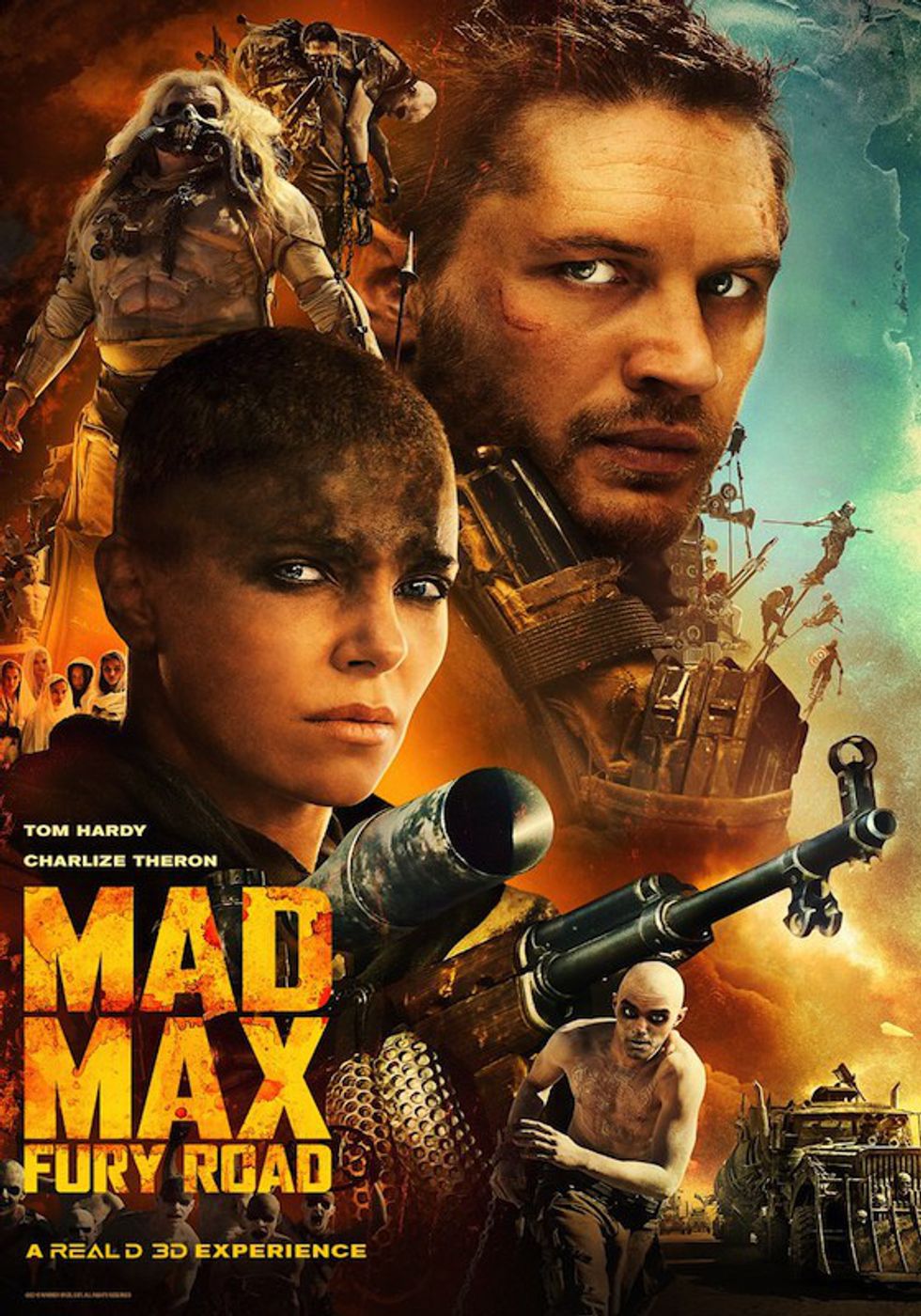
Director: George Miller
Release date: May 15, 2015
IMDb: 8.2/10
If you’re both a science fiction nerd and a feminist, this is the movie for you. Imagine the collapse of civilization and the rise of a tyrannical leader who enslaves apocalypse survivors, trapping them inside the barren desert fortress, the Citadel. Starring Tom Hardy and Charlize Theron, the two try to outrun the ruthless warlord with his warboys in a chase through the Wasteland in an armored truck as they try to find their homeland.
Although the title Mad Max would make you assume that Max is the main protagonist, the film is not about a tough guy drifter’s stroll through a post-apocalyptic world. The story is mostly focused on the feminist revolt lead by Imperator Furiosa (Charlize Theron), who has been raised as an assistant to our tyrannical leader Immortan Joe. Furiosa takes the city’s five sister wives, one who is heavily pregnant with Joe’s next “warboy” and begins to take them out of the Citadel, before any male lead comes into the picture. Not only is Mad Max inherently feminist, but the film also forces everyone to discuss the lack of representation of those with disabilities in Hollywood. Furiosa, who is a woman and has a mechanical arm, breaks normative boundaries that we see in movies over and over again. Mad Max is overall an exceptional blockbuster film that acknowledges the importance of women through a highly action-packed and dramatic plot line.