


Studying. We all dread it, but in college, it's something everyone has to do. In high school, I was able to get by without really studying. If anything, I could look at a few key terms and be fine. College, on the other hand, has been a whole different ballgame. I'll be honest; when I first started taking classes in college, I had no clue how to study. My first semester taught me a lot about how to study, so I thought I'd share a few tips.
1. Don't wait until the last minute
As hard as it is, this one is probably the most important. Giving yourself time to learn the material is crucial, especially since most of the grades in college come from tests. In high school, it was easier to learn material because most teachers required students to do homework and quizzes. In college, it's generally up to the students to take notes and learn that way, so waiting until the last minute to study for tests can really hurt you in the long run. You don't want to end up looking like SpongeBob in this noteworthy episode.

2. Take notes
Or do whatever works best for you to learn the material. This is essential because it's almost impossible to study without some background knowledge of what you're trying to learn. One thing that really helps me is taking my textbook to class and highlighting what the professor talks about the most. These things are generally what appear on tests.

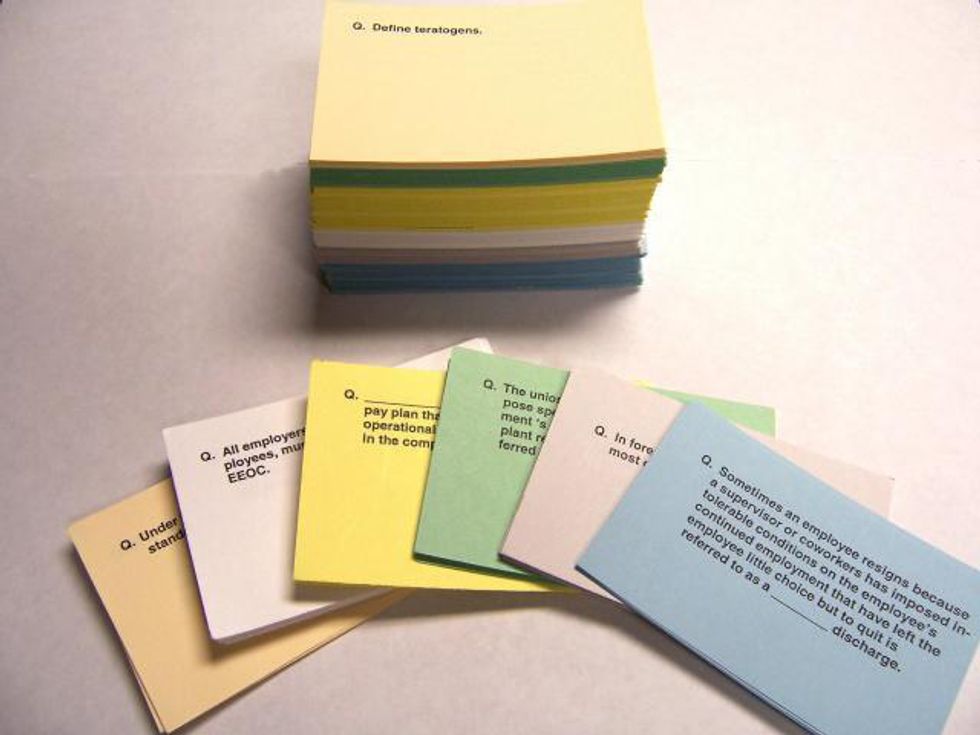
3. Note cards
Especially when learning key terms, note cards are your best friend. For some reason, writing things down really helps and looking at the words over and over again makes it easier to remember. If you really want to take full advantage of note cards, get a friend to quiz you. It'll be less tempting to just flip the card and look at the answer.
4. Outlines
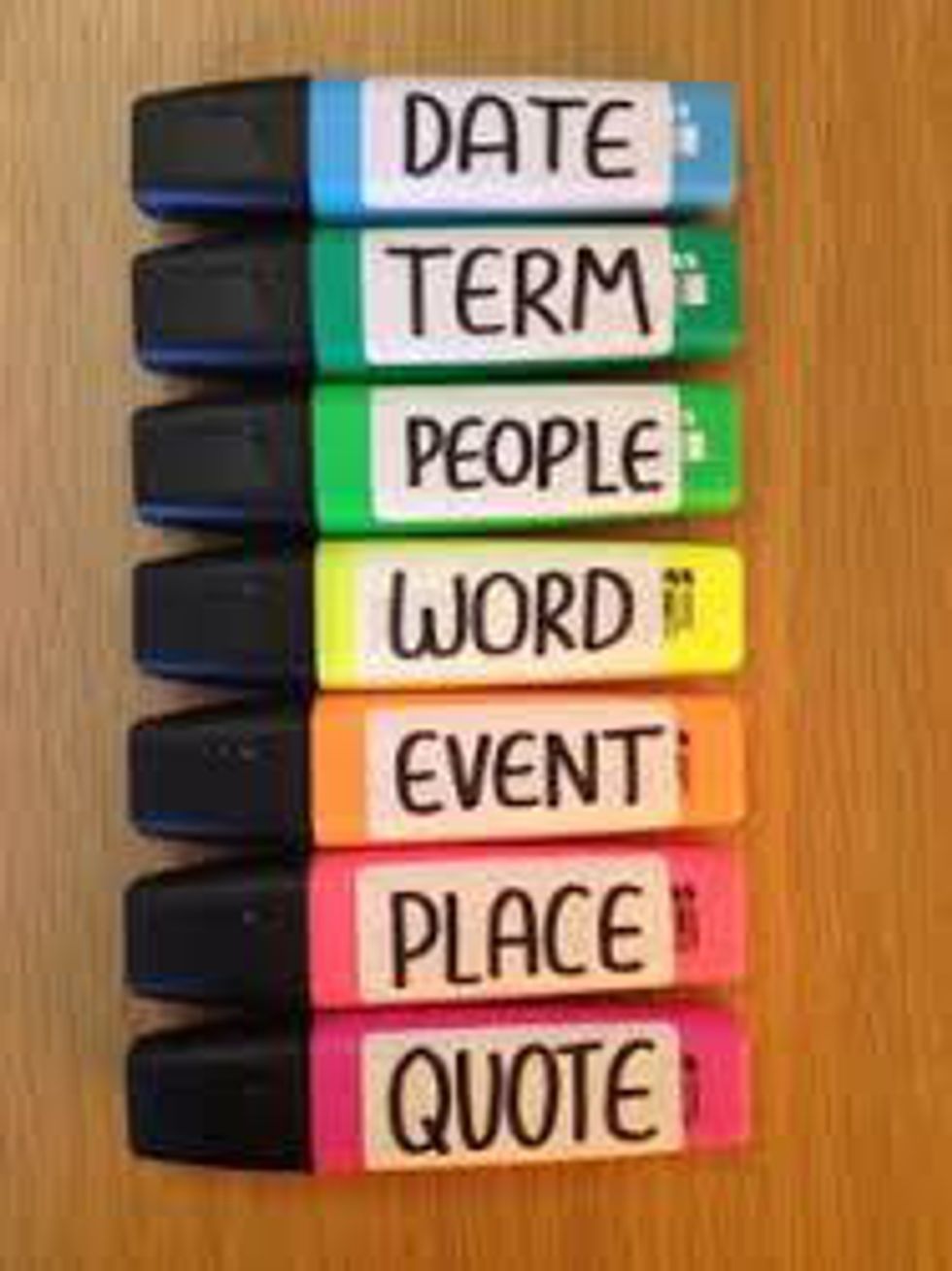
One things that really helps me is to outline what the professor covers during class and make a more condensed and simplified version of my notes. This helps me study what's most important first, and then I like to go back and study the details. If the professor gives out a study guide or a list of what they expect you to know on the test, use that as a guide for your outline. And if you really want to go the whole nine yards, color coding is always fun and it can help you remember things better, too.
5. Sleep
This one is easy to forget in college, but it's very important. Sleeping improves your memory, so staying up all night before the test can actually hurt you more than it can help. This brings me back to my first tip; it's crucial not to wait until the last minute. Not only is this the healthier option for you, but it's also the best way to make an A. Sometimes you'll be up all night in the library (it's inevitable), but try not to do it the night before the test. You'll remember everything so much better after a good night's sleep.

6. Make it fun!
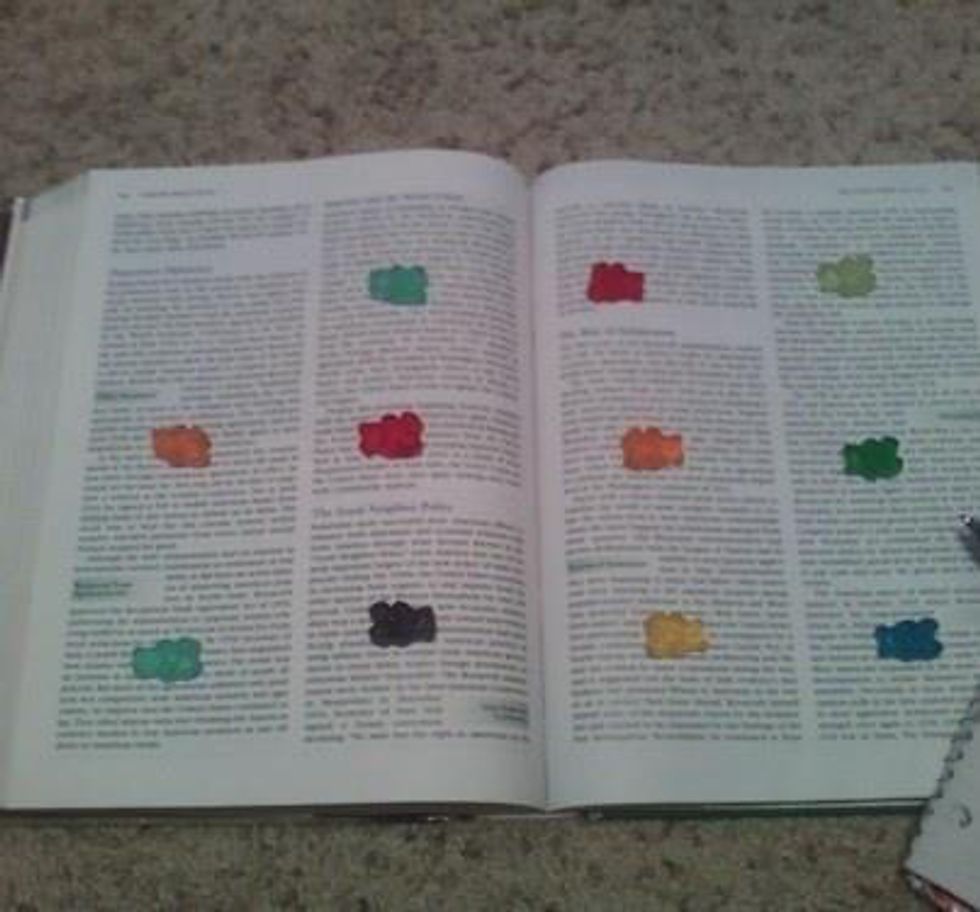
Reward yourself while studying and it'll be a lot more bearable. If it helps, put gummy bears on your textbook pages and eat them when you finish studying certain sections. Promise yourself a Starbucks after you learn a chapter and a long nap after you finish studying for the day. You'll stay motivated if you're looking forward to something at the end.
7. Take breaks
Don't study everything all at once or you'll tire out. I like to study for 30 minutes and then take a 10-minute break. That way, I'm still learning but I can give my brain time to rest so I don't get overwhelmed. And hey, Ryan Gosling said so.

Overall, studying really isn't that bad. Some of my best memories in college have been laughing with my friends at the library at 2 a.m. because we're so delirious. It has to be done, so why not at least make it enjoyable?