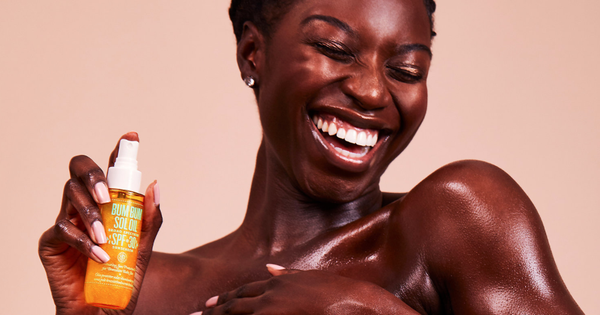

Beach towel. Boogie board. Shovel. Sunscreen.
Desperate to be by the ocean, you haphazardly pack your beach necessities without a second glance at the items. Although your choice of shovel is not necessarily an important decision, some of your choices could negatively affect your health and safety. Applying sunscreen is important not only to stop you from becoming a human lobster, but also to protect you from dangers like skin cancer. Therefore, picking the correct sunscreen could literally be a life or death decision. In order to make an educated choice, there are a few things you need to know to keep your skin safe.
1. Not all sun rays are alike.
In fact, solar rays come in three different lengths. UVA rays are the longest rays and cause cancers like Melanoma. Most of us are regularly affected by UVB rays. These warmer rays cause sunburn and leave you with that painful and unattractive red coloring. Thankfully, the highly damaging UVC rays are kept out by the ozone layer. So, you want to find a sunblock that protects from both UVA and UVB rays.
2. The maximum SPF is 50.
Anything that claims to have a higher SPF is lying. 100 SPF sun block? Fake. 75 SPF? Nope. 60 SPF? Liar, liar, skin on fire. So, stick to SPF 50 or lower. Spending money on anything else is just silly.
3. Sunscreen should contain anti-oxidants.
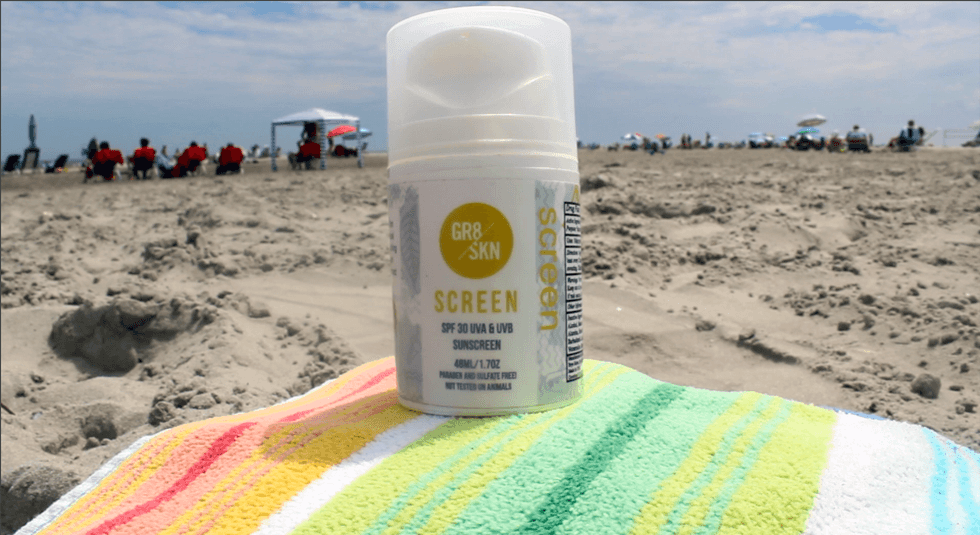
Nowadays, everything does more than its original purpose. Televisions are now gaming systems, phones are now televisions, and cars are now phones. So, why shouldn’t sunblock do more than block the sun? It should. Luckily, products like GR8SKN’s Screen have ingredients such as aloe vera, coffeeberry and honeybush tea to provide those antioxidants.
4. Not all sunscreens are water-resistant.
Let’s be real. The best part of being down the shore is the ocean. But splashing around in the cool water can easily wash away non-water-resistant sunscreen. Make sure to check whether or not your sunscreen can withstand the waves.
5. Apply sunscreen 15 minutes before going in the sun.
Although some people may prefer putting on lotion while on the beach, it is smarter to do it before you leave your house. That way, the sunscreen has time to absorb into your skin. Plus, you don’t have to worry about covering your body with sand as soon as you step on the beach.
6. Remember to reapply every two hours.
No matter how water resistant or powerful your sunscreen is, it is going to wear off. You need to reapply if you don’t want to be slathering aloe on your body all night. It's like jogging -- no one wants to do it, but when you do, you and your body will thank you.
Always remember to check the label on your sunscreen to discover ingredients and SPF. When it comes to your skin and health, it is better to be safe than sorry.