
“Italian food is twice blessed because it is the product of two arts, the art of cooking and the art of eating,” says author Marcella Hazan in “The Classic Italian Cookbook.” Italy and other southern European countries are well known for their refined and high-quality cuisine that boasts a Mediterranean diet. People from all over the world want to try Italy’s most popular dishes and get a taste of the Italian eating lifestyle. “Life is too short not to eat well” is a motto that Italians have long incorporated in their lifestyle and is also used as a slogan by Eataly, the largest Italian marketplace in the world.
Italians appreciate every single aspect that food entails. Food has to be enjoyed and nurtured to satisfy the palate. From the moment the stove is turned on, food is savored with pleasure and respected at a slow pace.
The Mediterranean diet is a way of life.
But let’s take a step backward first. I am originally from a beautiful city called Torino, located in the Piedmont region of Northern Italy. Torino draws in many tourists each year for its rich dishes featuring exotic flavors and delicious red wines. The local Piedmontese cuisine is one of the most varied and celebrated in Italy. I grew up with a culinary tradition that is embedded in who I am, and wherever I find myself, I always try to replicate my favorite dishes. My Italian background has taught me to appreciate every bite of the food that I eat. The moment I became part of the United States’ culture, I realized that eating habits and food choices differed conspicuously from the ones I was raised with. So I tried to adapt and cook food combinations that would remind me of home.
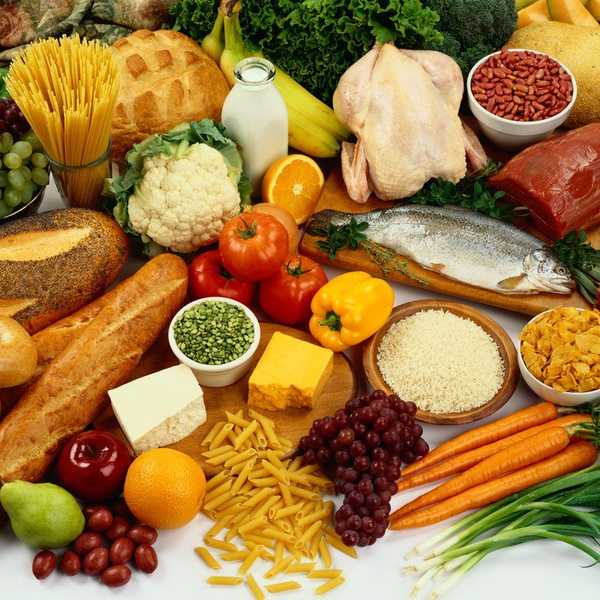
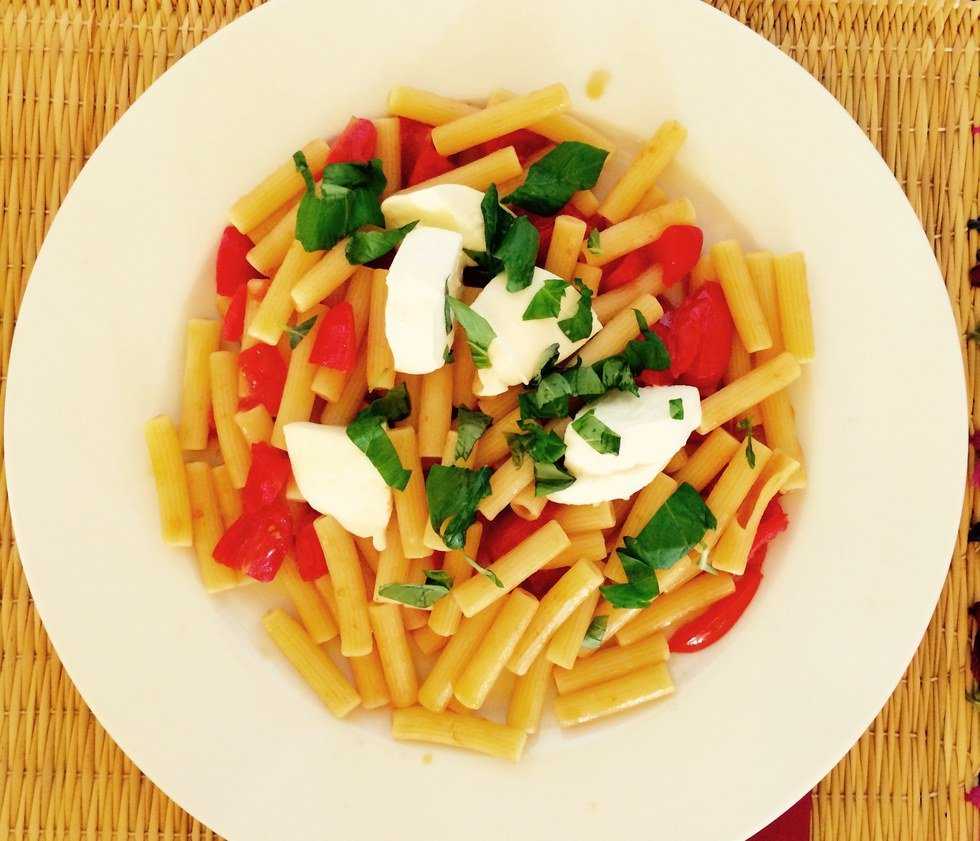
Where Americans use cheddar cheese, Italians pick mozzarella. Where Americans use barbecue sauce, Italians prefer olive oil. Portion sizes tend to be smaller in quantity and bigger in nutrients. Italians boast of a healthy Mediterranean diet that features a lot of fresh, natural and seasonal foods and emphasizes the consumptions of fruits, vegetables, bread, pasta, rice, beans, nuts, fish and meat.
It is simple, healthy and nutritious.
In the 1960s, the American scientist Ancel Keys understood that among the countries surrounded by the Mediterranean Sea, there were fewer episodes of cardiovascular diseases and people lived longer without encountering serious illnesses. The area these populations lived in affected their eating behaviors. They had fresh, natural and seasonal foods at their disposal. Their lifespan was longer because they pursued a lifestyle that consisted on spending a lot of time outdoors, cooking meals from scratch, and eating together with the family. Today, the Mediterranean diet is considered to be the healthiest diet to pursue that guarantees a longer lifespan and embraces a balanced lifestyle.
If your goal is to improve your overall health and lifestyle, the Mediterranean lifestyle is an approach to eating and living that has been shown to improve quality of life and cognitive function and protect from major diseases.
The best part? It is not difficult or hard to follow at all. Embracing a Mediterranean diet means having a table full of different flavors, colors and aromas that feature different seasons. It means preparing appetizing and flavorful recipes with healthy and simple ingredients.
So, what are the benefits of a Mediterranean diet?
1. It helps with losing weight.
Following a Mediterranean diet can be of a great help for those who intend to lose weight. In fact, the typical dishes that belong to this diet consist of healthy ingredients, such as vegetables and whole grains; often times obesity derives from the consumption of processed foods, rather than fresh ones. This diet encourages light proteins and healthy fats based foods, such as fish or olive oil, therefore it entails a reduction in sugars and preservatives.
2. It improves memory.
The attention revolves around the use of olive oil especially, that helps to improve memory, and walnuts that improve concentration at school and work.
3. It leads toward a longer life.
Those who choose to add more vegetables, legumes and fish products in their diet are more likely to live at least two or three years longer than those who favor meats and foods rich in fats.
4. It prevents major diseases.
Diabetes and several vascular diseases can be curable with an appropriate healthy Mediterranean diet.
5. It helps to maintain a healthy heart.
In order to maintain a healthy heart, the use of natural foods such as olive oil, or dishes that contain poultry and fish help to reduce the risk of heart diseases, moderate blood pressure and positively benefit the organism.
6. It helps to prevent cancer.
The Mediterranean diet sees a regular consumption of grains, fruits, vegetables, legumes and a few proteins derived from animals, all of which are rich in antioxidants and produce ideal substances to live a healthy lifestyle and embrace harmony with the body.
But what is the easiest way to start a Mediterranean diet? These are three simple steps that can make a quick difference in your diet.
1. Vary your food choices.
Being creative is the most simple and the safest way to make sure there is an adequate relationship between energy and nutrients.
2. Eat more vegetables and fruits.
From a simple plate of sliced fresh tomatoes drizzled with olive oil and fragrant soups filled with carrots and potatoes, vegetables and fruits are a vital element in the diet.
3. Look for colors in food.
Vegetables and fruits have five different colors: white, red, green, dark blue-purple, and yellow-orange, all of which correspond to different nutritional values and enhance our health with additional minerals and vitamins.
So what’s stopping you from trying out a new diet? You will notice the outcomes right away. You will feel better physically and mentally. You don’t need to travel all the way to Italy or Greece to give it a try; you’ll be able find delicious flavors in your local grocery store. Embracing the Mediterranean diet will benefit your health today, tomorrow and for the rest of your life.