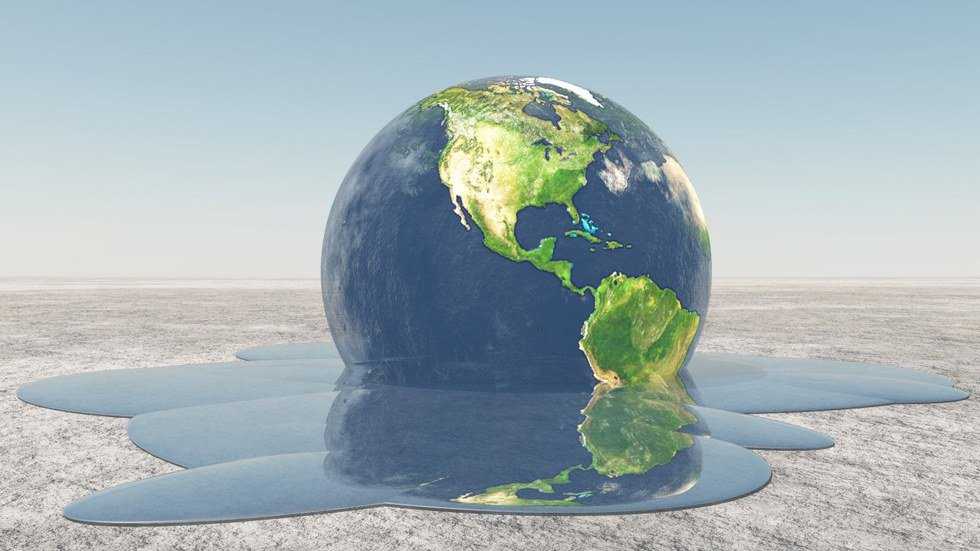
As society advances, the impact of mankind on the environment is becoming drastically more negative, advancing global warming at a rapid pace. In the last 10 years alone we have experienced some of the warmest temperatures in the history of the Earth. It makes little sense to deny the existence of climate change at this point. Humans are a huge contributing factor in this change, and we are now left scrambling to find ways to counteract the effects of our damaging actions. Below are five simple changes you can make to your life to decrease your own effect on the environment.
1. Take the roof racks off of your car when you are not using them. Driving with empty roof racks intensifies wind resistance, increasing fuel consumption and CO2 emissions by a wholly unnecessary 5 percent. Plus, to your benefit, removing the empty racks can improve your gas mileage by 10 percent!
2. Buy recycled products. Hopefully, the idea of recycling has been successfully drilled into all of our minds. However, the system of recycling does not reach its greatest potential impact unless we not only recycle, but purchase recycled items. Recycled paper in particular helps us to reduce our impact on our forests, and reduces our energy usage. According to the Department of Conservation, switching to recycled paper saves 17 trees, 7,000 gallons of water, 4,100 kwh of energy, 2.5 cubic yards of landfill area, and 60 pounds of pollution in the air.
3. Fly less. How often you fly is one of the most significant indicators of the size of your carbon footprint. Traveling is exciting and often necessary, but travel intelligently. If you are planning a trip to see several countries in Europe, you can fly to one central location, and easily jump on a train or bus instead of a plane to several other locations for comparable, if not lower, prices.
4. Buy food locally. It is easy to forget that the foods you buy need to somehow get from their location of origin to you.The farther your foods need to travel to get to you, the worse for the environment your purchase will be. By buying from local, preferably organic farmers, you reduce the need for food transportation. Additionally, industrial farms use more energy, and emit greater levels of air and water pollution than locally run farms. Overall, buying food locally is healthier for you, better for your community, and more beneficial for the environment.
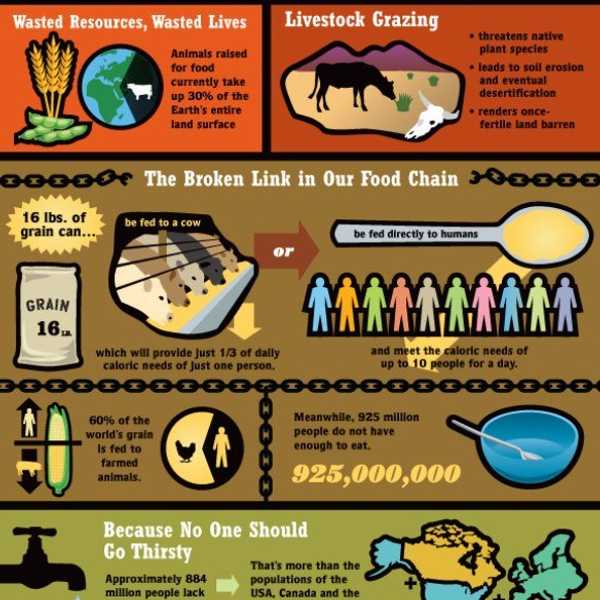
5. Cut back on the meat. According to PETA, one pound of meat takes approximately 2,500 gallons of water to produce. Two hundred and sixty million acres of forest in the U.S. have been cleared to grow food for the animals in the meat industry. Relatedly, 85 percent of soil erosion in the United States can be attributed to the meat industry. Production of beef has the strongest environmental impact compared to other meats, so simply cutting back or eliminating your beef intake can massively reduce your impact on the environment.