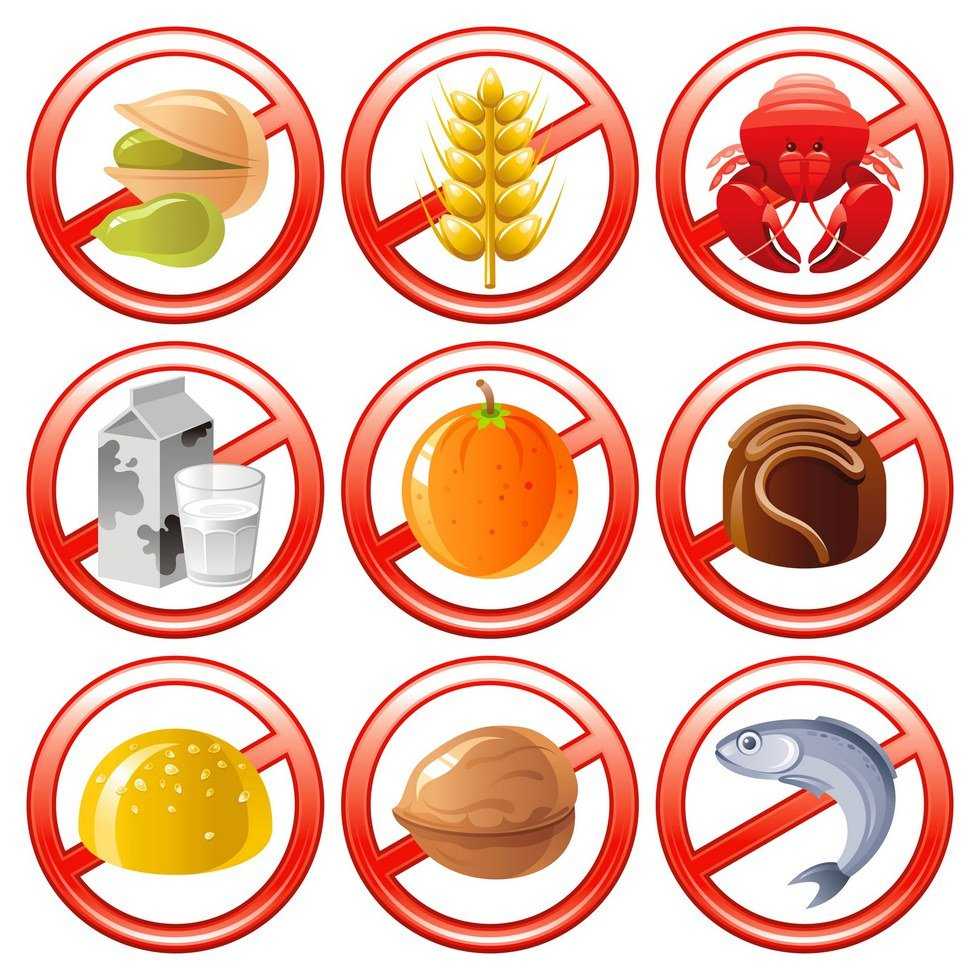
There are approximately 15 million people, children and adults, living with food allergies in the United States. This number is growing every day and there are a ton of misconceptions about food allergies and the people who have them which leads to some rather frustrating conversations that every food allergy sufferer has almost every time they meet a new person.
1. I Would Die If I Couldn't Eat (Insert Allergen Here)
I get it, you're trying to be sympathetic, but please don't remind me that I'm missing out on the Holy Grail of candy by not being able to eat a peanut butter cup. You would die if you couldn't eat it, but I will die if I do, so please take the dramatics elsewhere.
2. When I Was a Kid, Food Allergies Didn't Exist
This phrase is usually uttered by someone over the age of 50 who equates food allergies with picky eaters, completely ignoring that food allergies are most likely on the rise because of our reliance on antibiotics and sanitizing anything a child comes into contact with. Our immune systems mistake something as harmless as a peanut as something dangerous and reacts accordingly. We didn't choose the food allergy life, the food allergy life throttled us and jabbed a needle in our thighs.
3. You're Just Being Picky/Difficult/A Special Snowflake
If my desire to remain breathing is being picky then call me Peter Piper. I didn't want to be the only kid in class who couldn't have a cupcake, but I wanted to be in a coffin even less. Why would any child choose to not be able to eat the vast majority of their Halloween candy?
4. It's Because Of Vaccines Isn't It?
No, just, no.
5. A Little Bit Won't Hurt
A microscopic amount of peanut or tree nut residue is enough to send me into anaphylactic shock, so yes, a little bit will hurt. My right to breath trumps your desire for me to take a bite of whatever it is that you're trying to force me to eat. If you cannot respect that I don't feel safe eating something that I didn't prepare myself or watch you prepare, then you do not respect me as a living, a breathing human being.