

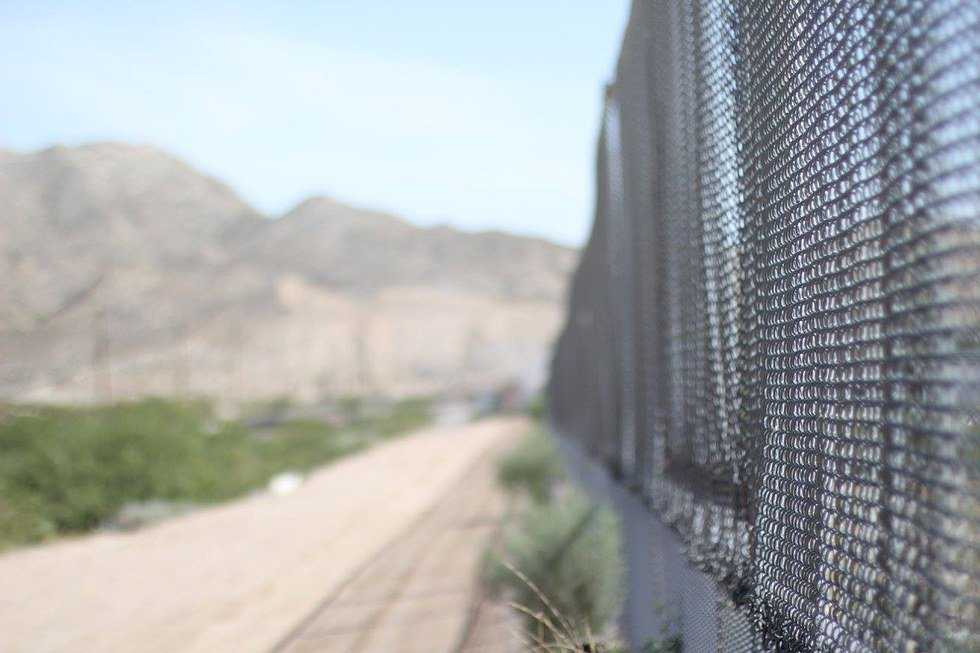
Watching your loved ones be murdered before your eyes. Fleeing everything you’ve ever known because you’re next. Living in the shadows. Think these horrific realities are distant struggles of the Middle East, Syria, or some third world country far, far away? Think again. They are happening on North American soil, and they affect every United States citizen. They are a byproduct of the American Immigration System and its many flaws, superficialities, hypocrisies, and enigmas. My past week spent in El Paso, Texas was an incredible experience of accompaniment to Latin American migrants and really opened my eyes to border culture and the legal defects of the system. Recognizing that I may never understand the Mexican-American border, I think it's important to try. My hope is that this brief compilation of take-aways might get you thinking about a national issue that affects us all.
1. During my time in the southwest, I learned that as a country we must take responsibility for the problem.
History tells us that Latin American countries are in their current economic crises partly because of decisions made by the United States. So why are we trying to wipe our hands clean of the mess? Why is our solution to build a massive fence to keep out a problem that we started? We insist the border is there for our safety and peace of mind, but at what cost? Families torn apart, deportation back to some of the most dangerous cities in the world, and shattered dreams of finding a better life. All so we can sleep better at night? When in reality there have been a grand total of zero identified terrorists that have entered the U.S through Mexico. Think the border keeps drugs out? The next time you go to a college party should clear up that misconception. Maybe we should think twice before we pump billions of dollars per mile into an ineffective border. Like the majority, I’m against violence and drug trade, but there has to be another way. Our current border ultimately serves as a facade for the fear our nation and the media has instilled in us.
2. Language ambiguity seemed to be an underlying theme of my border experience and a source of public misconception.
For instance, Border Patrol expressed to my group during a presentation that they do not separate families in detention centers. We later learned that “family” really meant mother and child. Fathers and older siblings were fair game to isolate in other facilities. This was an important lesson learned for me to be a careful consumer of information.
3. A widespread argument is that illegal aliens take jobs from more-deserving Americans.
The only problem is that most citizens would not even consider accepting the jobs filled by undocumented immigrants. Correct me if I’m wrong, but I don’t think too many Americans would sign up to spend their days picking baskets of chili peppers at 65 cents a bucket, earning an average salary of $6,700 (less than a third of the poverty line). The same big companies that denounce undocumented immigrants are all too willing to exploit their labor. To them, “money is more important than human beings,” Carlos, a chili farmer himself, told me with sadness in his eyes. Regardless of your stance on immigration, know that, if nothing else, immigrants are vital to the economy.
4. Why is it that it usually takes a couple years for a UK citizen to obtain a visa and can take over 100 years for a Mexican citizen to do the same?
Why do less than 9% of Mexican Immigrants win their Asylum cases when they are fleeing the most dangerous situations? Are these aspects of our system an accident? I think not. Many people claim the system is broken. I believe it is doing exactly what it is designed to do: Keep certain people out. If we want to effectively solve the American Immigration problem, we have to revamp a system that is inherently racist. We have to change the very core, the mindset behind the laws, our priorities as moral human beings.
5. If you’re reading this article on a smartphone, tablet, or computer, you’re in the top 40% of the world that has the luxury of Internet access.
If you shower everyday and drink clean water, congratulations, you’re better off than 2.5 billion. Recognizing your privilege is crucial to properly understanding national and global issues and working for social justice. It’s easy to not care. It’s easy to want to continue our lavish lifestyles. It’s easy to willfully ignore the fact that our clothes were stitched by an exploited laborer, or that the greens of our caesar salad were picked by an illegal immigrant trying to provide for his family. It’s easy to say that immigration has nothing to do with us when in reality it has everything to do with us. Because it’s hard knowing that we have blood on our hands—that the continuation of our dreamy existences means the continuation of their horrifying ones.
If you’re feeling unsettled by these realities, join the club. While I may not have the answers, I have questions and I have a voice, as does everyone. So use it! “Our lives begin to end the day we become silent about things that matter.” As usual, MLK was on point in his words of wisdom, which are still applicable today. Immigration matters. Justice matters. Human rights matter. So inform yourself, spread the word, and stand up for change in your own community. And remember, our nation was born and raised through the blood, sweat, and tears of immigrants.