

By the time this article is posted, I will have been back at Loyola for 2 weeks. I believe I have already learned a couple of things, if not in my classes, then through experience and just living independently. Here are a few of the most important things I have learned so far.
1. How to use Linux
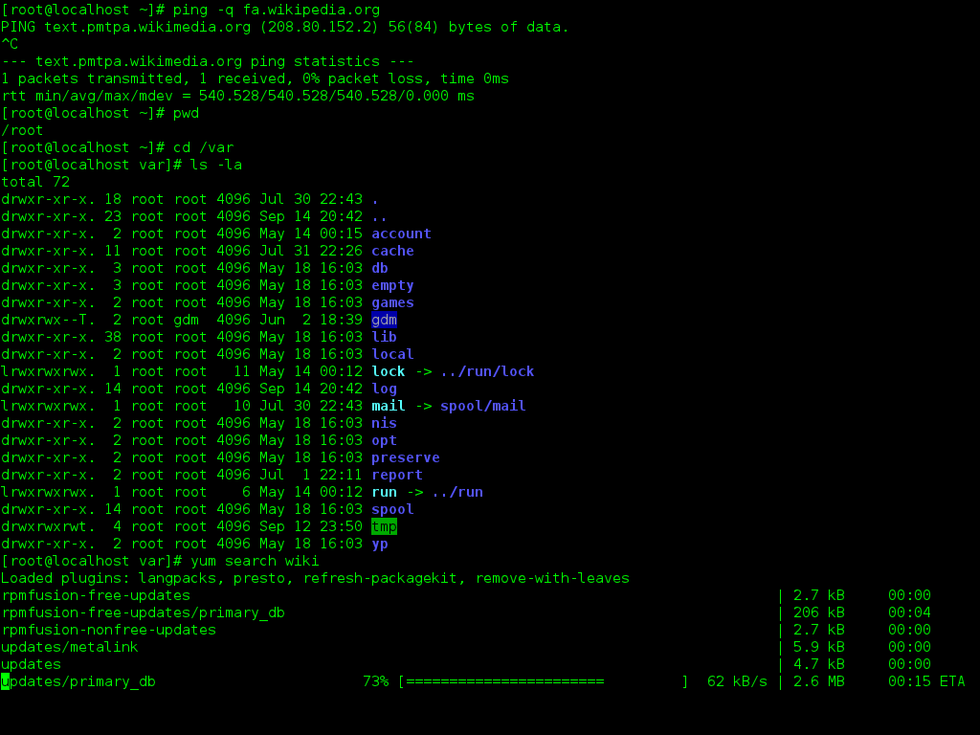
For those of you who are unaware, I am more than a little fond of computers. I'm even planning to take a computer science minor. In my last two CompSci classes, I've worked within Windows and dedicated programming environments to create the required code. In my latest class, the first thing our professor did was teach us how to connect to the school's Linux terminals. While, in hindsight, I have worked with Linux before, it was dressed up in a graphical user interface, and, as a middle-schooler, all I used it for was to play games. This is command-line level, straight Linux; the kind I have always associated with hardcore computing and old-school hacking. While I initially fumbled around with it(and honestly still kinda am), I feel like I'm getting the hang of it.
2. Do not drink Mountain Dew with dinner
 \
\
Don't do it. Even if you think you need it due to homework or daunting projects, just don't. It will wreck your sleep cycle and thusly the next day. That's bad. Don't do that to yourself.
3. Office Hours are your friend

It is always good to check in with your professors whenever possible, even if you aren't immediately struggling in class; it builds up your relationship with them so they know you care about classes and are putting in some amount of effort. My mother passed one of her struggling courses by meeting with the professor. I've put this into practice over the past year, scheduling a meeting with all my professors as early as possible each semester. When you do meet with professors, they can also help clarify information about your courses and their expectations: I met with one of my professors about a paper topic, and when I turned up blank, he let me come back that Thursday once I found some.
4. Trying new things is good--but also risky

One of my self-imposed goals this semester is to try new things, whether expanding my dietary options or being more involved in clubs. Such experimentation, while in its own sense beneficial, has its pros and cons. You either discover things you enjoy, such as lattes and sitting on the Humanities porch, or you regret your decisions almost immediately, like with probiotic drinks, or weird chocolate cereal bars. The good news about this is that, in most cases, you never have to try anything you don't like ever again.
5. Know when to stop

if you couldn't tell, the past week has been a bit of a long one for me. On Monday, the professor for my Honors course, probably the most important course I have this semester, told me I needed a topic by Thursday for the big midterm paper that is 40 percent of my grade for the class. Me, having no idea what I would write about, and having to draw my topic from the texts we would be covering, had the wonderful idea to be proactive and skim all my readings for material. And when I say skim, I actually mean read as fast as I possibly can. This put undue stress on my fragile psyche, and I neglected my physical and emotional needs while I did so. By the time Wednesday rolled around, I was a bundle of neurotic anxiety. Having a regularly scheduled meeting with the Office of Disability Services for my autism, I went in wanting to waste no time: I still had to go to the gym, eat dinner, watch a movie for my Writing class, and then read the remaining 4 texts before meeting with my professor the following morning. When I told the Director of Disability Services, she asked me, "Did your professor tell you to read all those texts?"
"No, but--"
"Do you have any ideas so far?"
"A few, but I--"
"Then you don't have to look for more; choose the best ones from what you have."
I tried to continue arguing, but eventually, I was convinced. I wrote out the ideas that I had, showed them to the professor, and he loved them.
Why did I put so much pressure on myself? My brain likes to consider itself rational, especially compared to the carelessness and recklessness of my younger years. Why do I give myself tasks I can't handle, even though I think I do? Why can't my mind recognize this, and let go? I wish I knew the answers myself; I guess I still have a lot to learn here.
.