

I consider myself an apparel designer but I also consider myself a budding environmentalist. With the fast fashion craze taking over the clothing industry and the horror stories that we constantly hear about in the news about sweatshops and mistreatment of workers, it's hard to buy clothing without feeling a sense of regret for buying a shirt that was possibly made by a child laborer in Cambodia. But many designers are doing their part to combat these horrifying practices by knowing where their materials come from, visiting and keeping close ties with their factories and informing their customers about how and who their products are made by. So I've compiled a list of 5 of my top brands that are doing their part for the environment in all aspects of their business. And the best part? These brands are affordable!
Everlane
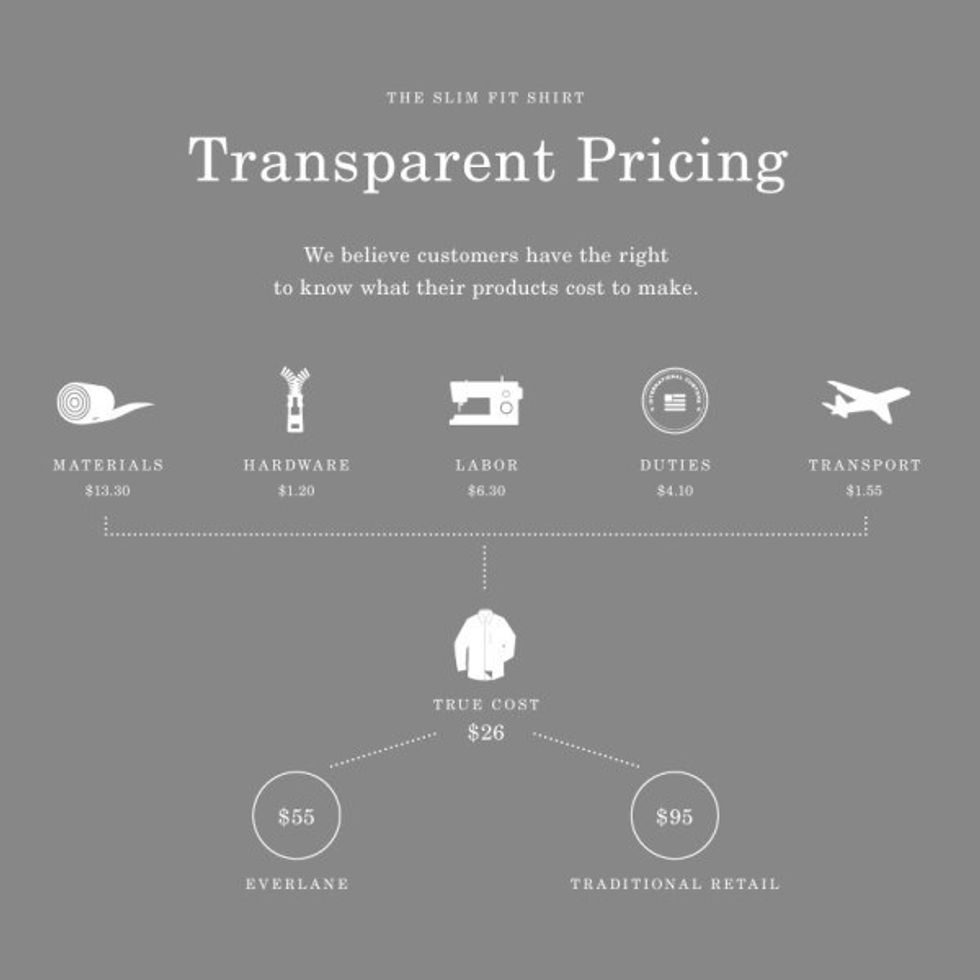
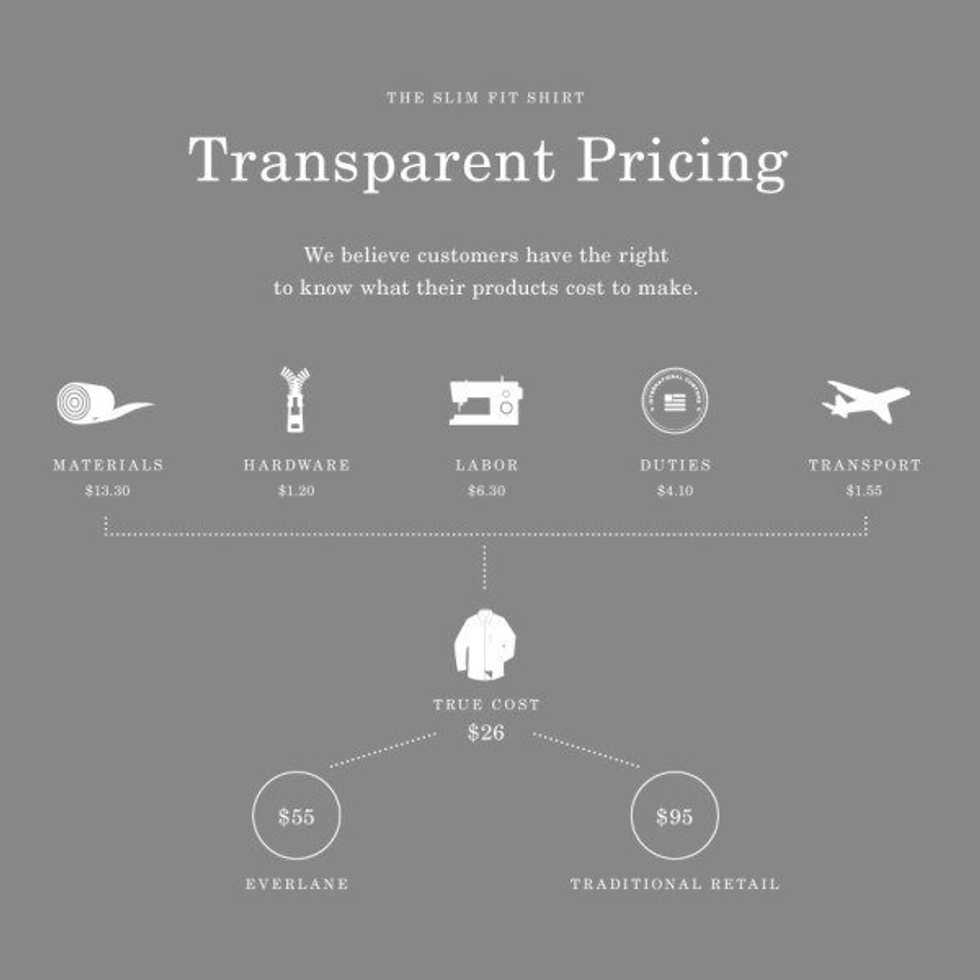
What I love about Everlane is how each of their products online have a breakdown of how much it cost to make the garment including cost of materials, labor, transportation, hardware and other duties. They call this "transparent pricing" because they believe their customers deserve to know how much it costs to make their clothes. Everlane shows three prices for all their products: 1. the true, raw cost for making one unit of say, a sweater, 2. what price Everlane sells this product at, and 3. what price a traditional retailer would sell the product at. This breakdown shows the true cost of what it takes to make many of the clothes hanging in our wardrobes and encourages us to do our research when we want to make a bigger clothing purchase. Everlane encourages their customers to do their research about how much they are paying for their clothes. Style wise, Everlane an abundant assortment of classic, basic pieces that everyone needs. Check them out here.
Loomstate
Over at Loomstate, their entire process, from the soil where their cotton, to the workers who assemble their garments is an all encompassing process focused on sustainability. Founded in 2004, Loomstate specializes in using 100% certified organic cotton for many of their products. Today, their focus has grown to try to create garments that fully benefit the full supply chain. Their website hides no secrets from their customers; there are full explanations and images informing where their cotton comes from, the breakdown of the Loomstate business models, and how the domestic and international Loomstate employees and workers are treated. On top of that, Loomstate has a whole section on their website dedicated to collaborative projects the brand has done in relation to sustainability which you can check out here. The clothes at Loomstate can be described as relaxed, California-cool vibe; a goldmine of basic, easy breezy tees and tanks perfect for the summer. Shop men's and women's apparel here.
Patagonia
An already very well known sustainable clothing brand, Patagonia has always stuck to their values and have been transparent about their clothing and business decisions. The company actually started out making equipment for climbers. Today, they make a variety of men's and women's apparel made from their famous recycled polyester and organic cotton. Most notably, the company has launched The Footprint Chronicles which examines Patagonia's life and habits as a company.Their site has many stories examining different parts of Patagonia's supply chain including their impact on the planet, corporate responsibility, the company's impact on climate change, and their cotton and merino wool sourcing process. It's also important to note how Patagonia's website has an entire section dedicated to describing where their fibers come from and how they are produced. This is incredibly refreshing to see as a consumer; to be able to read about what my clothes are made of. Check out their fibers and where they come from here. Then head over to the shop section of Patagonia's website to get some well insulated winter gear!
NAU
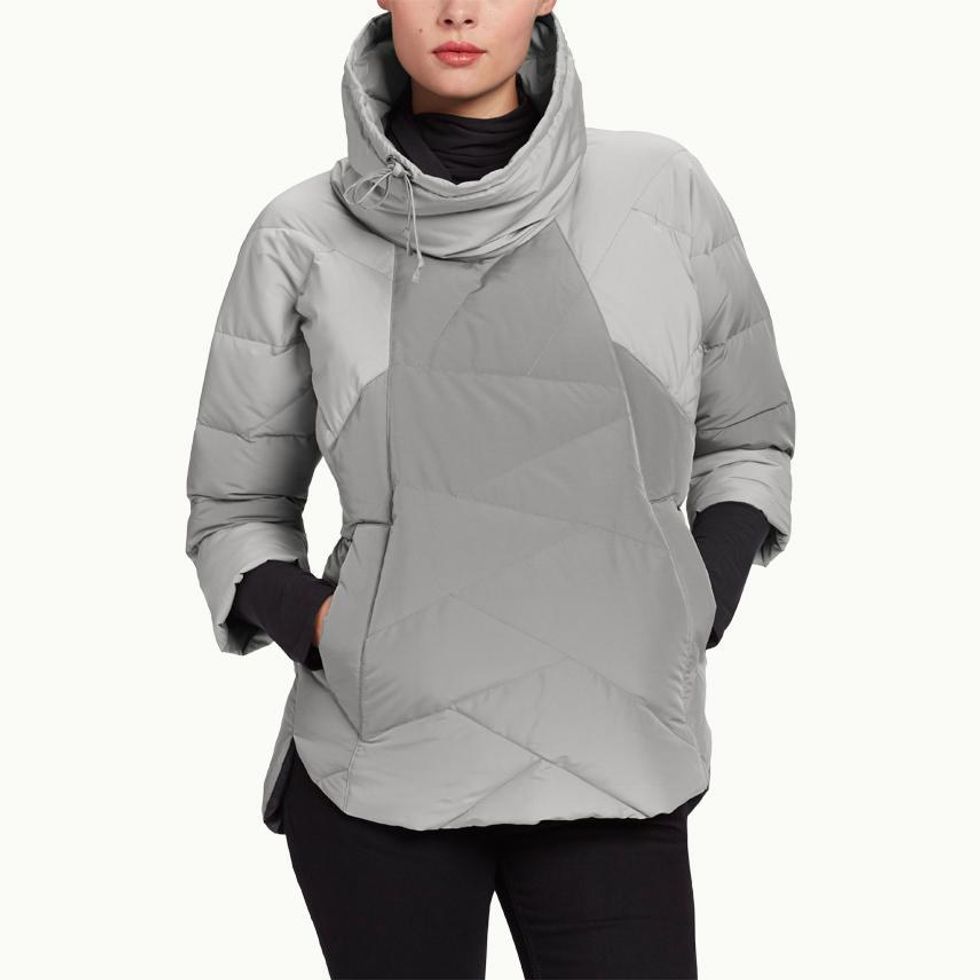
When it comes to clothing production, the small the better. What I mean by this is that a smaller company can be better aware of their production processes. This is just the case at NAU. They are a small company founded and located in Portland, OR. Made up of a group of passionate designers, idealists and outdoorsmen/women, NAU is focused on how to reduce the impact of their clothing on the environment. They use sustainability as the starting point for their design process, taking into account all raw materials, every pattern and every silhouette. And they don't just stop at the design process. NAU believes that every decision they make, whether business or design related, counts and should be considered carefully and they encourage other businesses to do the same. Now for the clothing. If you're in the market for a unique, Pacific Northwest-inspired winter coat, you need to check out NAU now. I personally love this pullover shown above.
Boerum Apparel
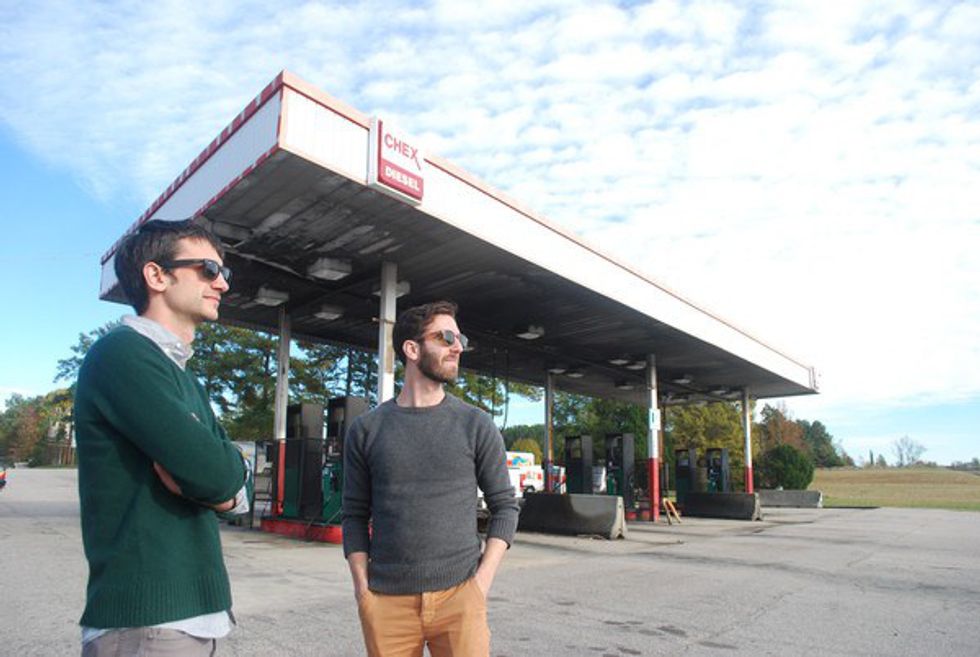
This small, Brooklyn-based brand is a bit on the higher side in terms of price but their relationships with their materials suppliers is definitely worth mentioning. I actually had the pleasure of meeting one of the co-founders of the brand, Teel, and he explained that he and his business partner founded Boerum when they started asking questions about how their clothes were made, the impact clothing production was having on the environment and the humans and animals involved and couldn't find answers. These days, Boerum's sweaters are knitted with raw merino wool and cotton from New Zealand and the Carolinas respectively. The founders of Boerum keep an incredibly close relationship with their materials suppliers having road tripped through New Zealand, staying with their farmer and watching the journey of their fibers from sheep to yarn. Check out their modern, cozy and environmentally friendly men's and women's sweaters here.