
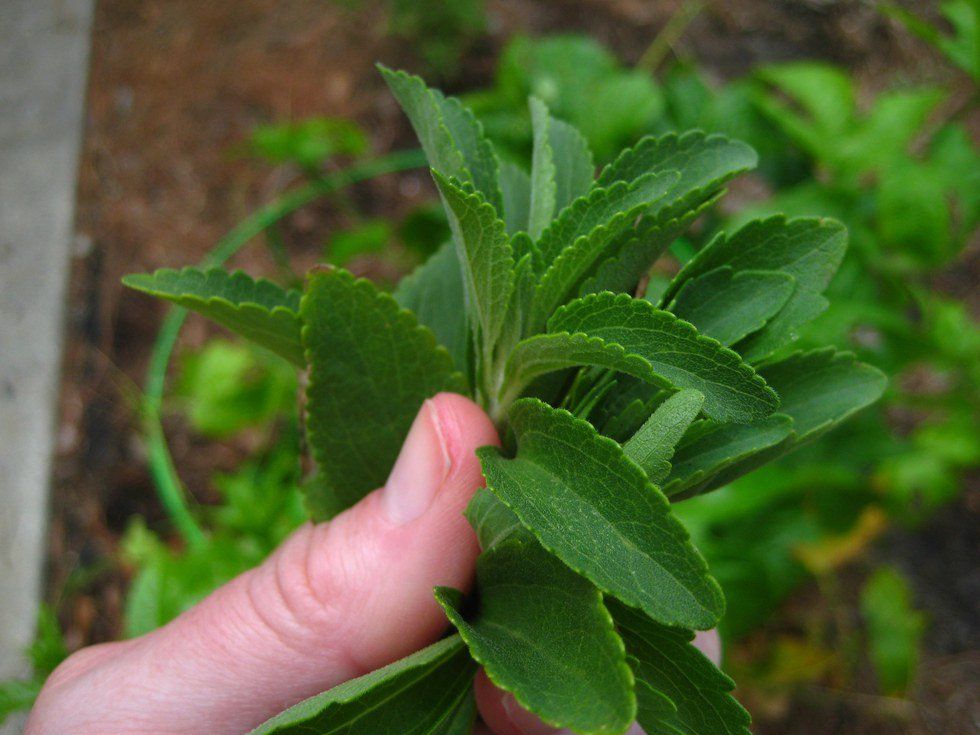
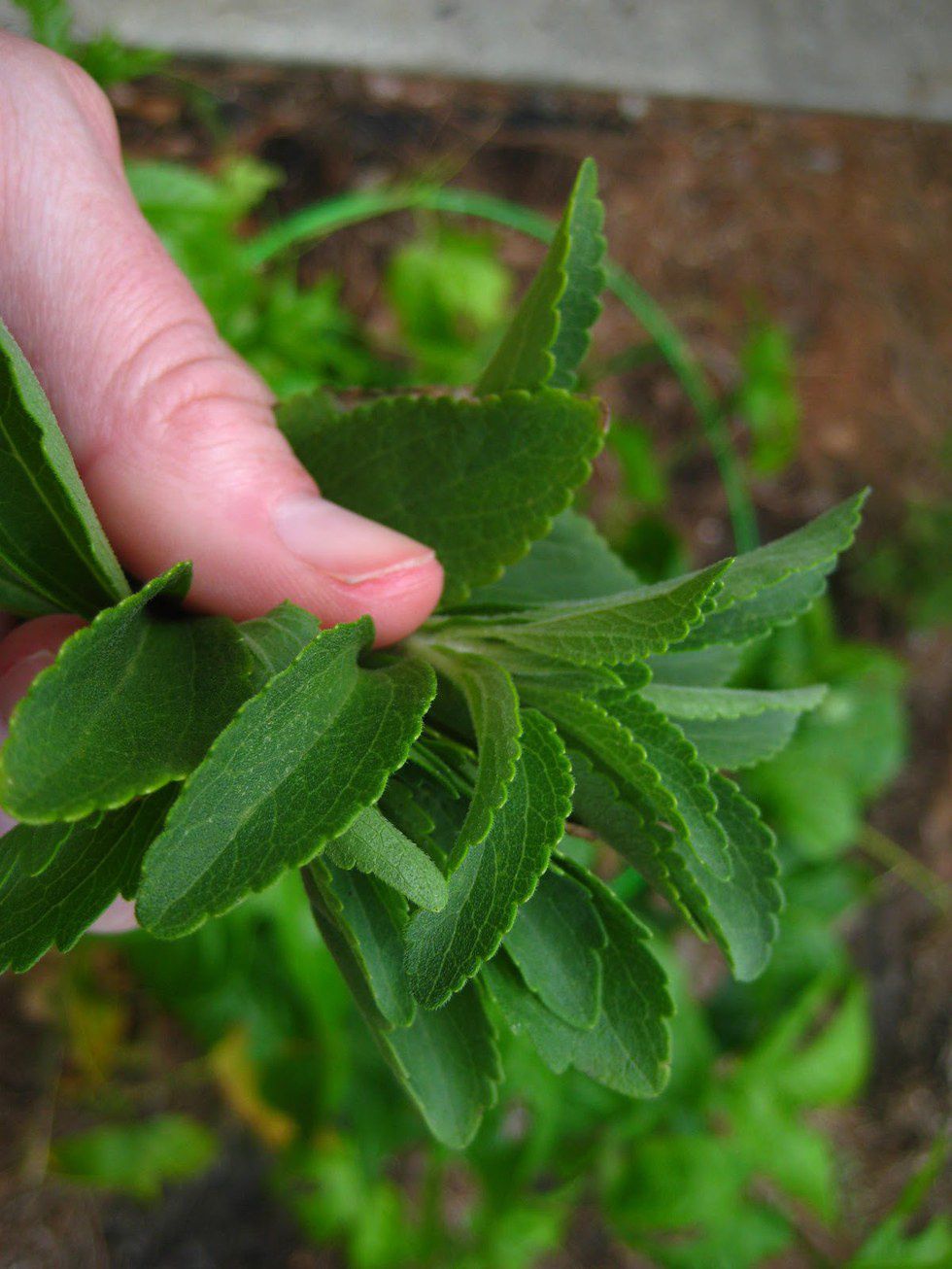
Various versions of stevia seem to be available just about everywhere, so I thought I'd write a comprehensive post on why it's best to grow your own. If you aren’t familiar with it, here’s a quick run-down: The stevia plant (stevia
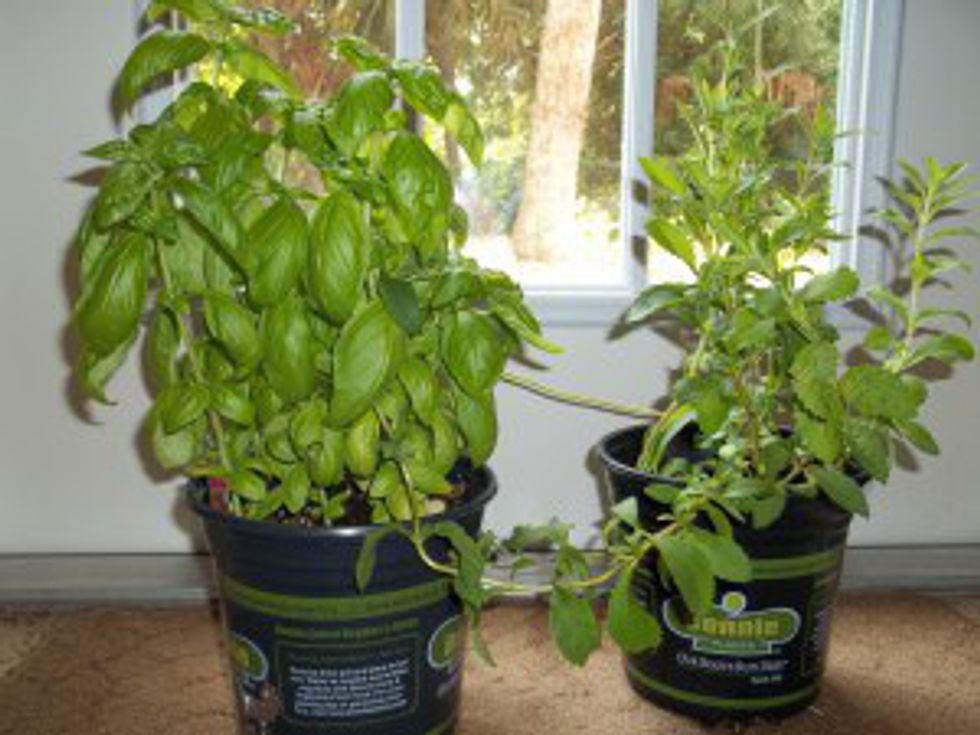
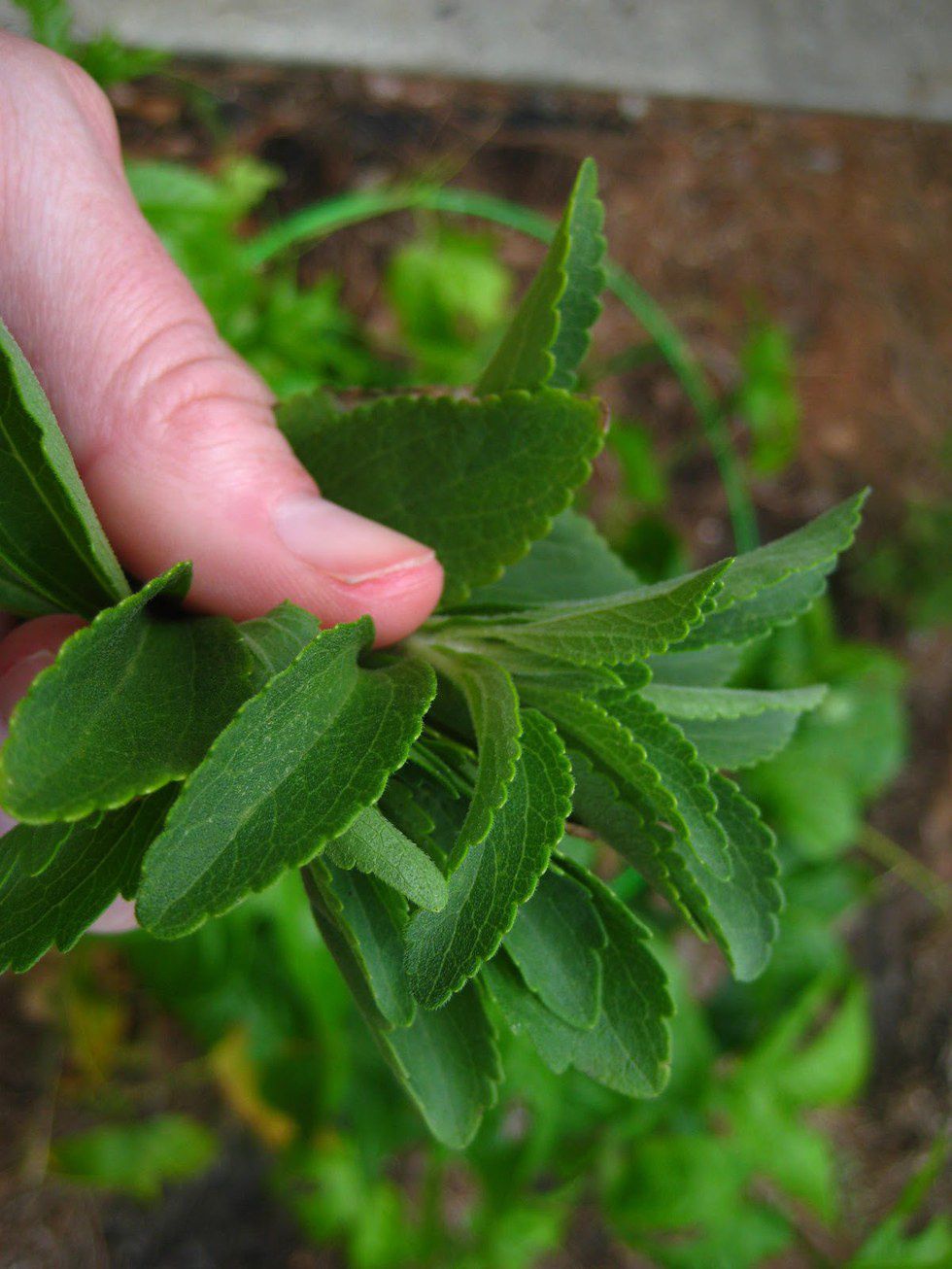
Stevia grows best in warm conditions similar to those preferred by basil. I live in Florida, so it’s an ideal climate for both stevia and basil to proliferate. Bonus for me, because I’m a fan of both:
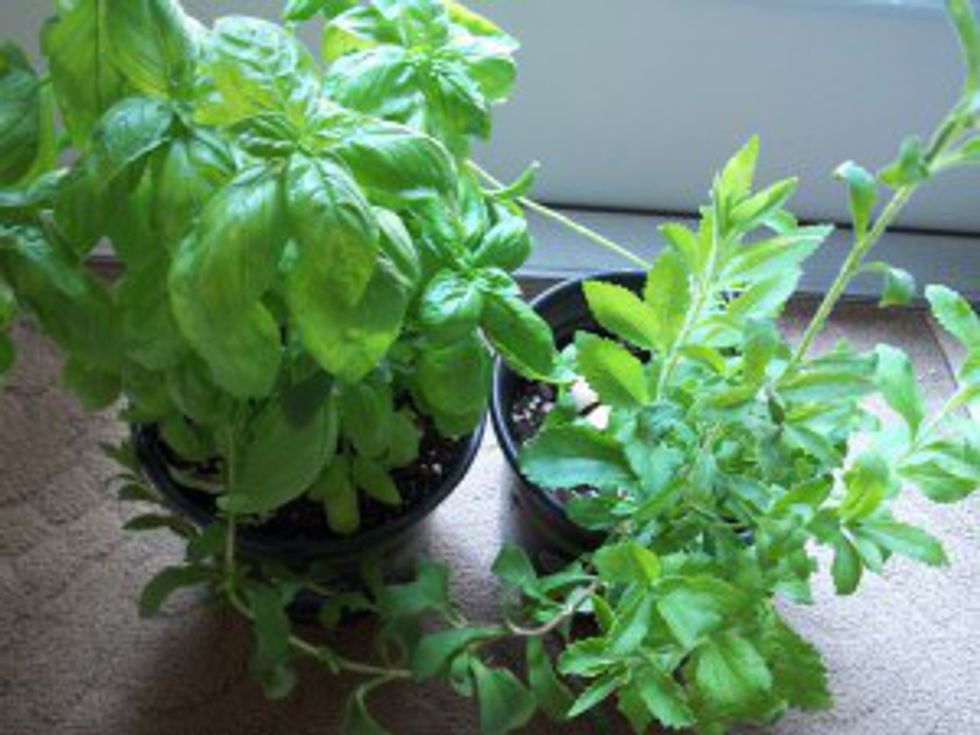
Stevia plants are perennials, meaning they’ll come back year after year if you treat ‘em right, but the plants have a difficult time recovering from harsh winters. If you are not located in Florida, California, Hawaii, or a similar subtropical climate, don’t lose hope! You might have noticed that, in the above picture, I’ve got both of my plants in containers indoors where they are protected from the elements. As long as your plant is getting enough sunlight, water, and has a large enough container for the roots to spread, a kitchen companion can be just as prolific as a plant that’s rooted in the ground.
It can be started from seed, but that can be a bit tricky and it takes quite a while for the germination process to take place. It is easiest to grow from the herb's cuttings or from a plant transferred to a raised bed or a roomy container with sufficient drainage. I’ve grown my own stevia at home successfully. It came back the next year! However, I grew mine starting from a container purchased from a plant nursery. I started it indoors, in a sunny window in my kitchen, and then later transferred it to my front yard garden. So yeah...I did the semi-homemade thing. And you can too!
But why buy the plant when you can get pseudo-sweetener anywhere?
5 Reasons Why You Should Start Growing Your Own Stevia At Home Now:
- Superior taste and convenience: Can you say fresh? Whether you plant your stevia plant in your veggie garden or if you keep it growing in a sunny windowsill, having the sweet, aromatic leaves only steps away from the kitchen is pure heaven. Especially when you ran by the store on your way home and were so frazzled that you forgot to pick up sugar! Use fresh leaves for tea or eat a few right off the plant. They taste great combined with mint leaves.
- Diet friendly and bonus nutrients: It’s sweet but kind to your waistline. Zero calories and zero carbs. Plus: various studies have found the leaf to contain the following: proteins, fiber, carbohydrates, iron, phosphorus, calcium, potassium, sodium, magnesium, zinc, rutin (a flavonoid), true vitamin A, vitamin C and an oil which contains 53 other constituents.
- You’ll save money in the long run: It’s much less expensive if you grow your own stevia plant rather than purchase processed, store-bought stevia. Items such as stevia extract can be pricey, but if you have fresh leaves from your own plant, you can make your own powder, teas, and tincture. Don’t be intimidated, it’s as simple as boiling water! Seriously, I am a nightmare in the kitchen--I ruin pasta, and I can do this. The directions and conversion chart can be found below.
- Safe for diabetics: With Zero Glycemic index; there is no effect on blood sugar levels and it is a safe sugar alternative.

- Be natural and kick the chemicals: Say no to aspartame, saccharin, sucralose, etc. which are all devoid of nutrition and potentially harmful. Choose stevia!
Going even further, it's much better to consume whole-leaf stevia than the derivative of stevia called rebaudioside A.
Bonus: You’ll be increasing your household’s self-sufficiency and sustainability factor while decreasing its carbon footprint.
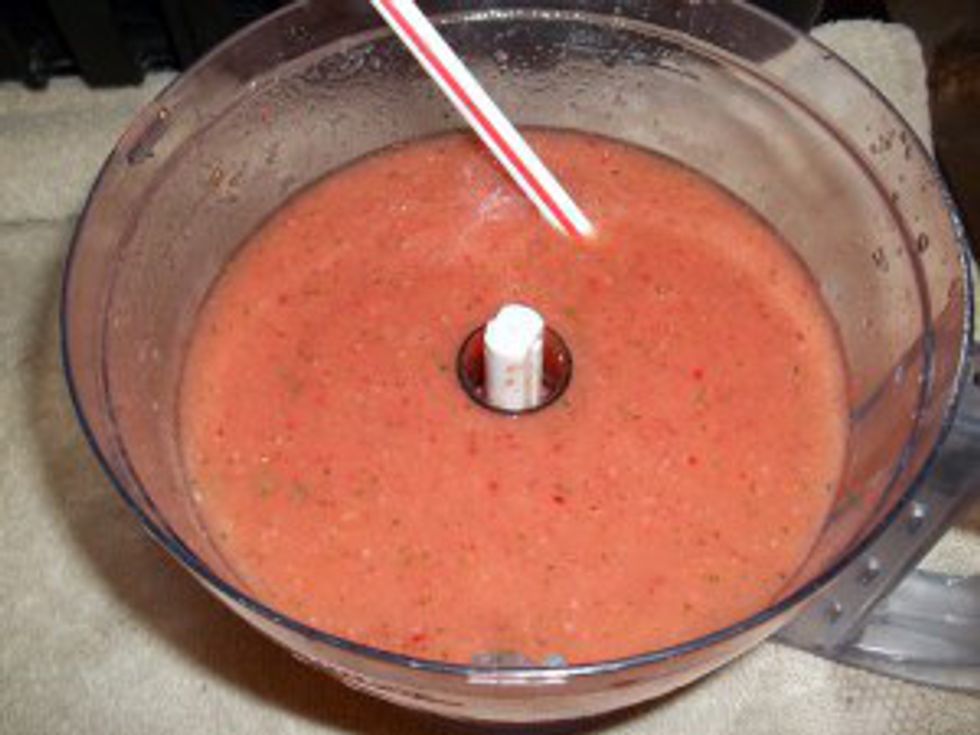
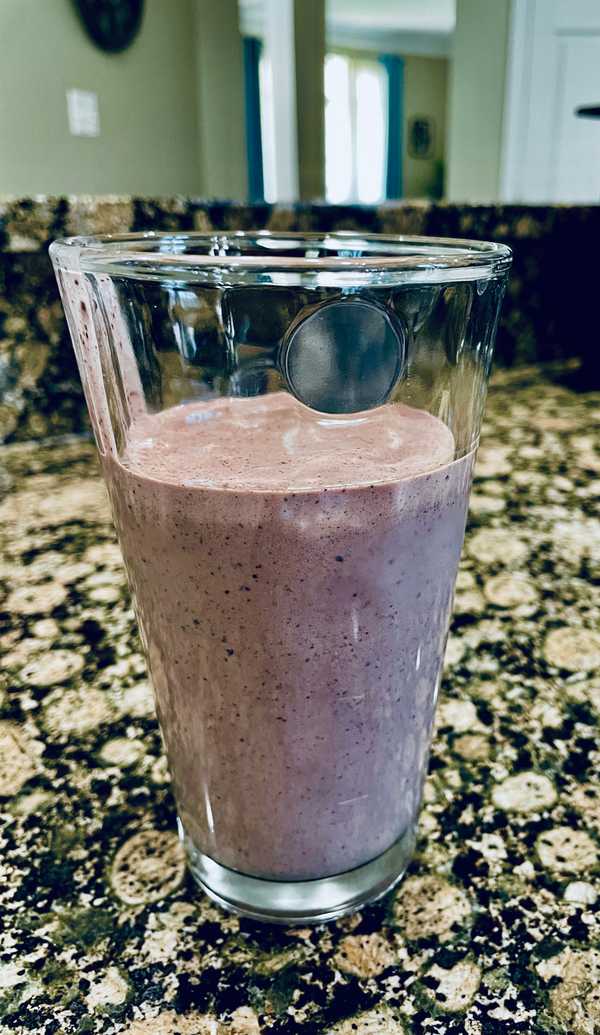
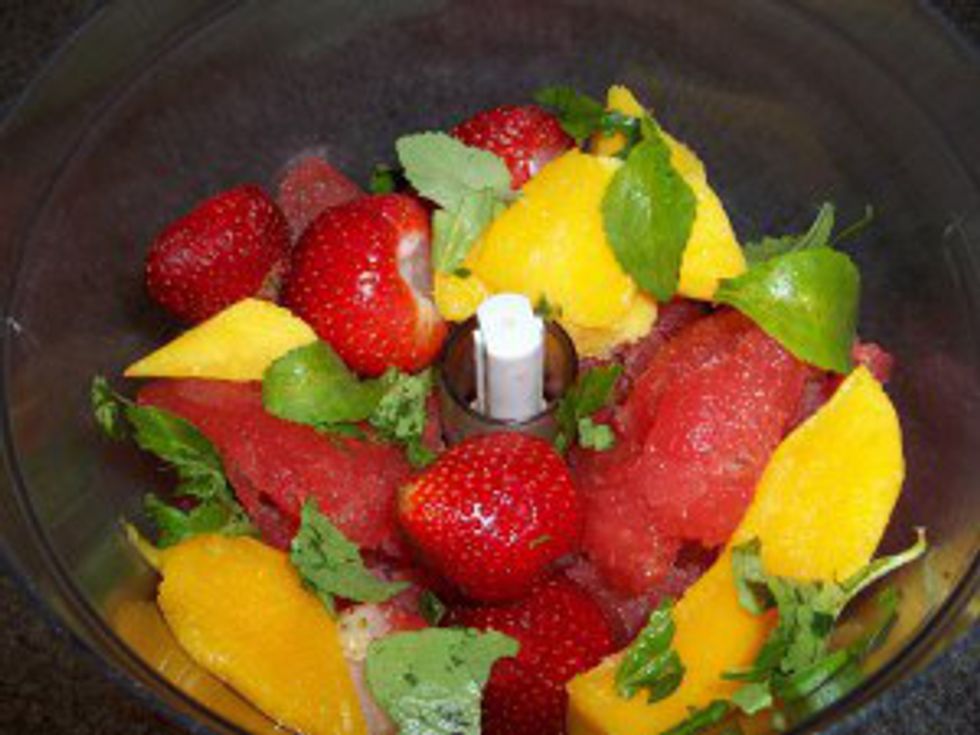
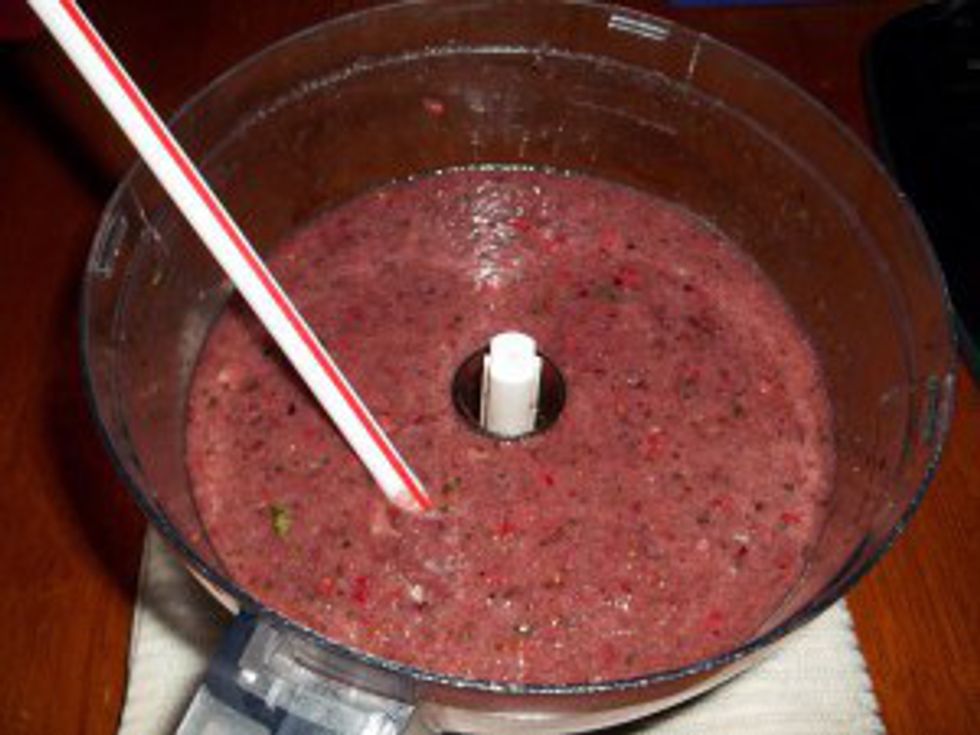
In the past, I've concocted many a delicious and refreshing fruit smoothie by combining frozen watermelon, blackberries, strawberries in my food processor. A few leaves from the stevia plant sweetened it just enough.
Previously, I have experienced a fairly bitter taste when sweetening my tea with Truvia, the commercially available pre-packaged version. From what I have read, this is caused by overheating the herb. While whole leaves are great for making tea, it's easy to turn them into stevia powder with a kitchen blender, food processor, or a coffee grinder that's equipped with metal blades. With the blender bowl half full, process dry leaves at high speed for a few seconds. Collect the fine powder for use in recipes calling for stevia powder. You can use a clean glass jar for long-term storage or a zip-lock baggie if you are careful about keeping out moisture.
Buyers be advised!! Most (but not all) commercially available drink mixes and packaged sugar substitutes are not raw or whole-leaf stevia, but the processed version. It's sometimes labeled as either Reb A or Rebiana. These sweeteners are nutritionally inferior to whole-leaf as they have been liberated from most of their antioxidants. So if you must purchase a powder, be vigilant in your research. Make sure the prepackaged stevia products say "w
Stevia applications and sugar-equivalent guide (from MotherEarthNews):
Stevia Tea:
Yield: 2 cups (16 ounces), sweetness equivalent to about 2 cups sugar.
Stevia Extract:
How-to: Bring 1 cup water to almost boiling, add one-half cup lightly crushed stevia leaves. Remove from heat, cover with lid, and steep 40 minutes. Strain through a coffee filter, and pour into a dark-colored container. Store in the refrigerator 1 to 2 weeks.
Yield: 3/4 cup (6 ounces), equivalent to 3 cups sugar.
Stevia Tincture:
How-to: Place one-half cup dried, lightly crushed stevia leaves in a clean glass jar. Add 3/4 cup 100-proof vodka or rum. Screw on the lid and shake. Place in a cool, dark place for two days, shaking the jar twice a day. Strain through cheesecloth or a jelly bag, and place the liquid in a small saucepan. Heat on low until steam rises, and maintain that temperature for 20 to 30 minutes, (do not boil). This creates a more concentrated tincture while removing most of the alcohol’s taste and smell. Pour the cooled tincture into a dark-colored container. Store in the refrigerator up to 3 months.
Yield: About 1/4 cup (2 ounces), equivalent to 6 cups sugar.
| Stevia Preparation | Sugar Equivalent | Notes | |
| Stevia tea | 1 teaspoon 1 tablespoon 1/4 cup | 1 teaspoon 1 tablespoon 1/4 cup | Top method for sweetening herbal teas and lemonade, or for sprinkling over cut fruit. Can be frozen in cubes for long-term storage. |
| Stevia extract | 1 teaspoon 1 tablespoon | 1 tablespoon 1/4 cup | Ideal way to sweeten sorbets, salad dressings, fruit muffins and berry syrups. Most versatile form for cooking. |
| Stevia tincture | 3 drops 1/2 teaspoon 1 teaspoon | 1 teaspoon 1/4 cup 1/2 cup | Best method for stevia-sweetened hot chocolate, pudding or mousse. Concentrated and convenient to carry. |