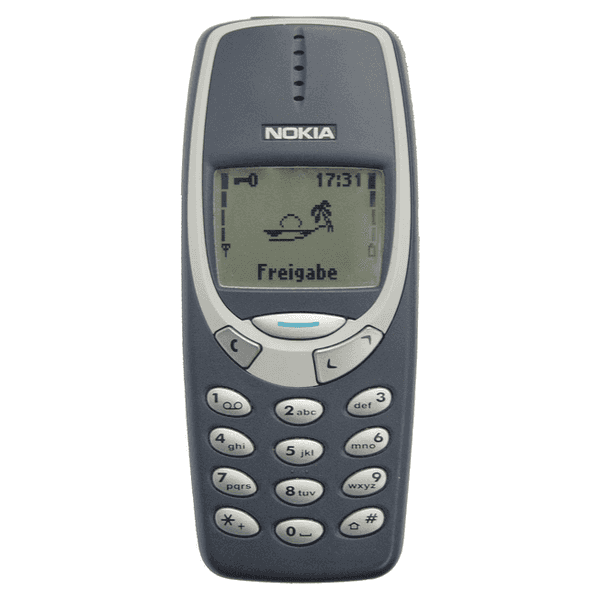


As technology in smartphones continues to get better every year, the need for us to spend $650 and upward diminishes as well. The “flagship” phones — phones companies promote the most such as the latest generation iPhone, Samsung Galaxy, LG G5 and so on — have incredible specs under the hood along with great build quality; but these companies shouldn’t get too comfortable on their smartphone thrones just yet. There are quite a few companies coming out of the woodwork, or metal work, I should say, that are making some phenomenal tech for a considerably lower price point. I’ll be mainly talking about technical aspects such as camera quality, random access memory (RAM) and onboard storage capacity. Here are five smartphones that are changing the game for flagship phones.
1. iPhone SE
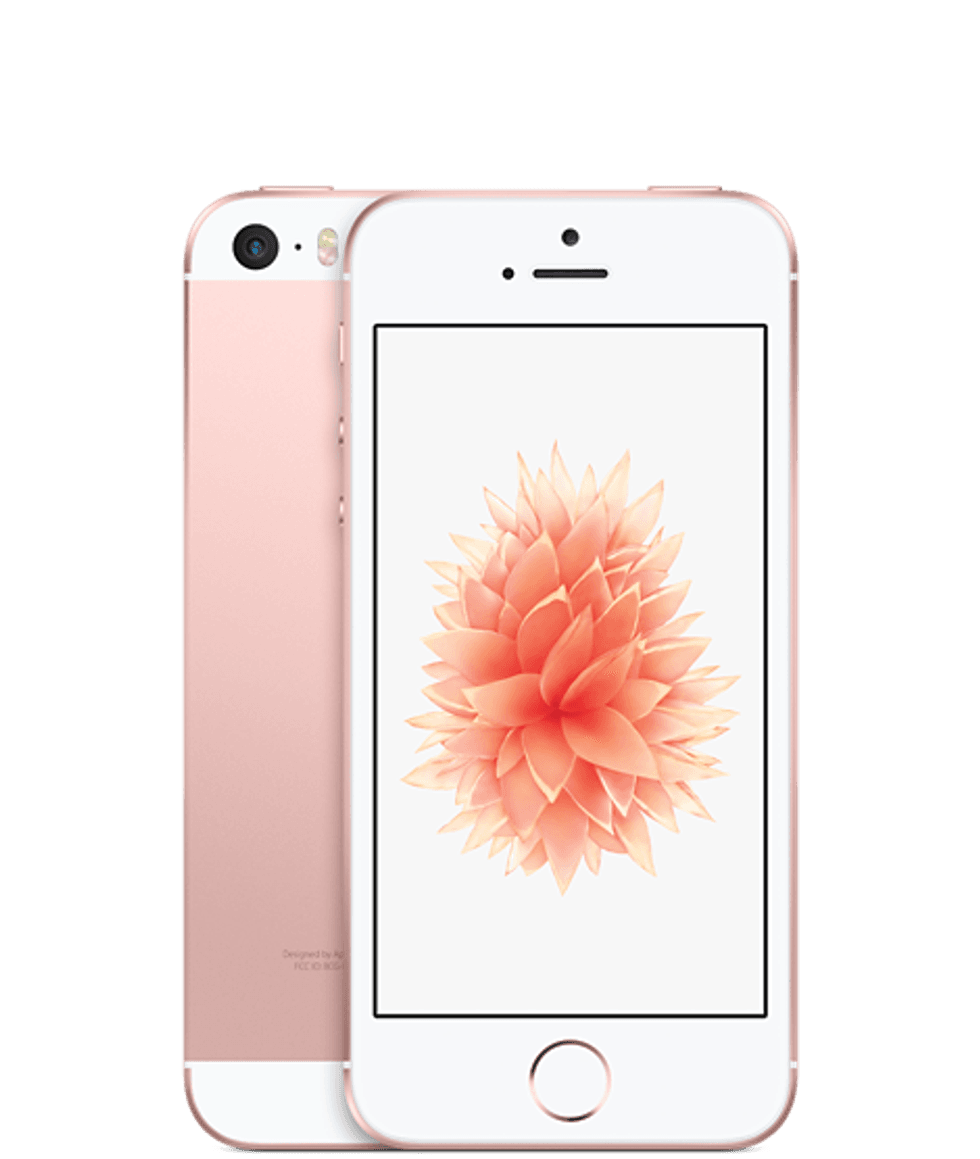
When you take an iPhone 5s and iPhone 6s and put them together, you have the iPhone SE. This is the iPhone 5s with the internal parts of an iPhone 6s. The 12 megapixel camera on the back of the phone is featured as well as the A9 processing chip. The 3D Touch screen is not featured in this phone and the Touch ID sensor is a slower version from the iPhone 6; I guess some sacrifices had to be made. The 16 GB version of the phone can be found for $399 and the 64 GB version runs for $499.
2. Nexus 6P
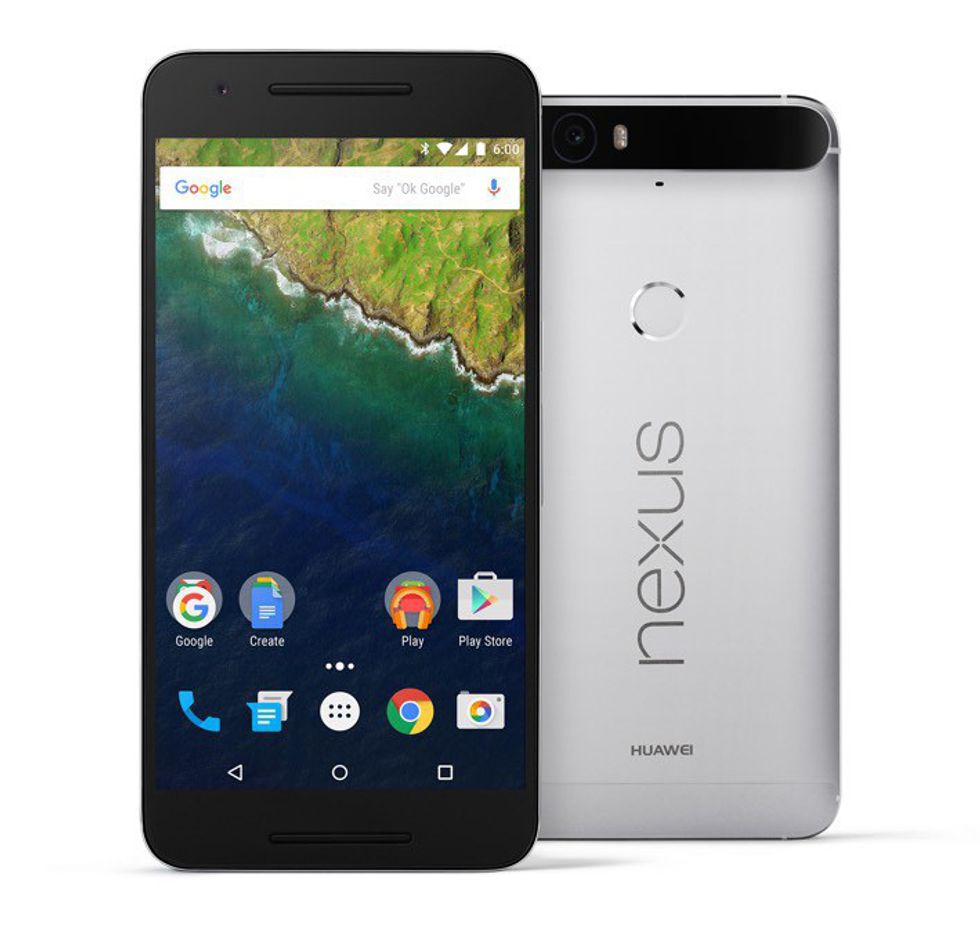
Google and Huawei, a newer company, got together and produced one of the more notable phones of 2016. The Nexus 6P features a WQHD AMOLED display along with 3 GB of RAM, making the phone run this clear display with no problem. The rear-facing camera is an average 12.3 megapixels as well as a front-facing camera with an impressive 8 megapixels for you selfie maniacs out there. This is a little more expensive device starting at $499 for a 32 GB model then jumps up to $549 for 64 GB, but it is a little more manageable compared to the $794 price tag for the Samsung Galaxy S7 Edge.
3. BLU Pure XL
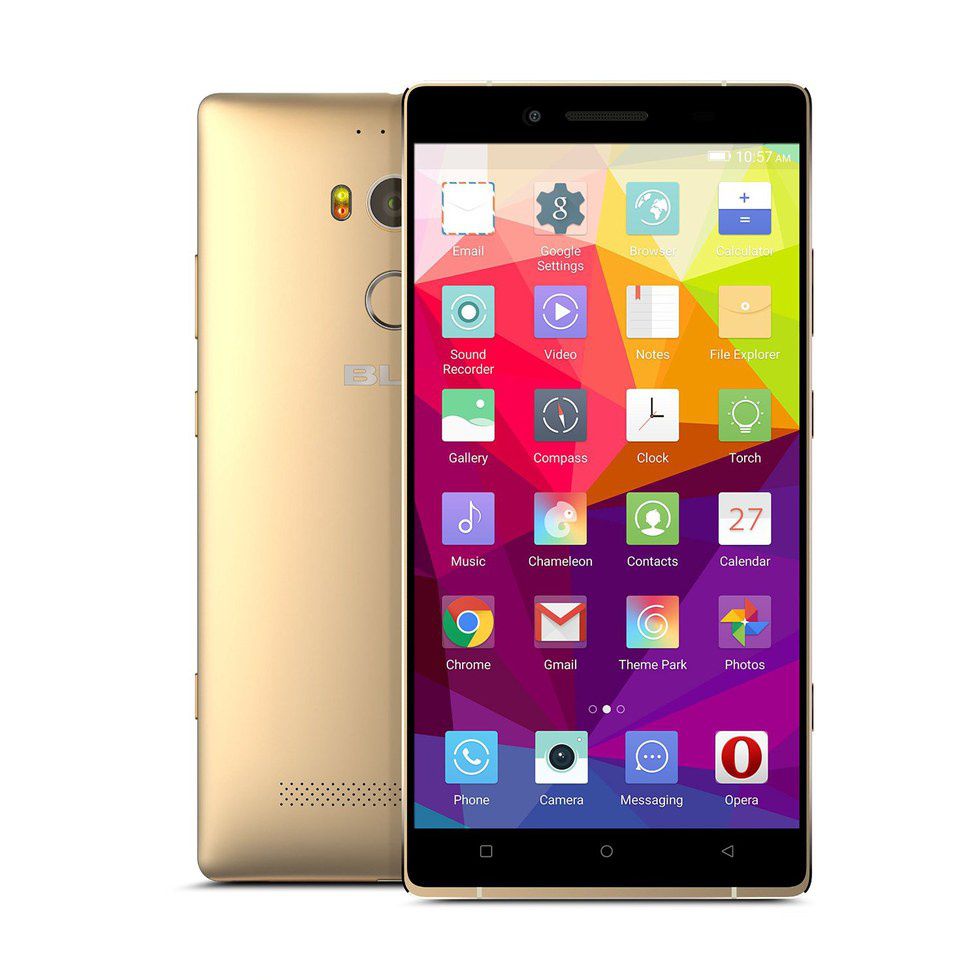
BLU is an interesting company in general, but not as well known. Their phones have some pretty stellar specs but somehow remain under $500, by and large. The Pure XL is no exception sporting a Super AMOLED display, Corning Gorilla Glass 3, a 24 megapixel rear-facing camera and a decent fingerprint sensor. The build is where most costs are cut with the physical build of the phone not being a one-piece aluminum frame, but having a plastic, removable back instead. The price for the 64 GB BLU Pure XL is at $349 on Amazon.
4. OnePlus 3
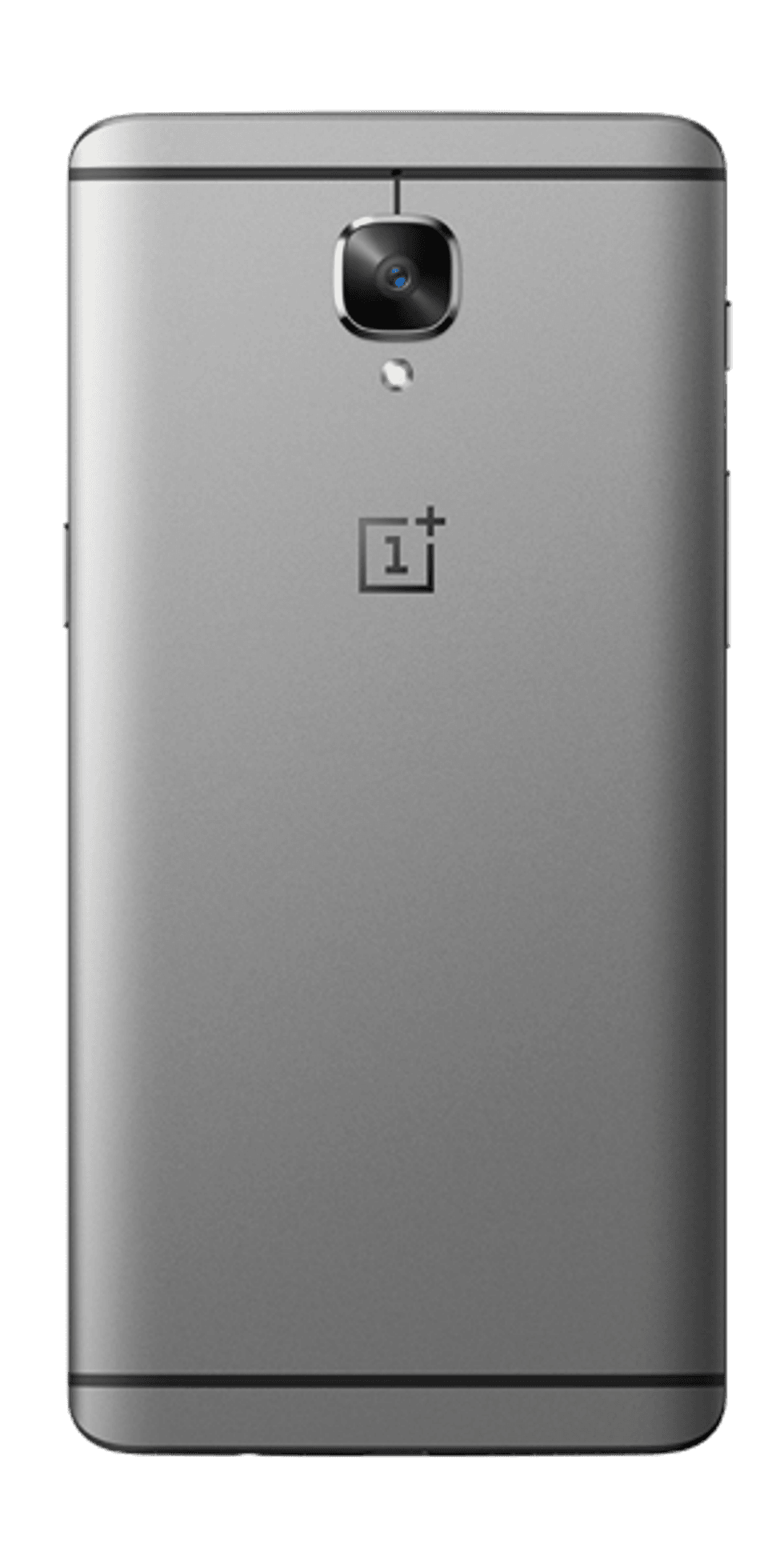
This phone was released June 14 of this year and has been making waves ever since. OnePlus is the next big thing in the world of smartphones and will either push flagship companies to step their game up or put them out of business. Move over, Samsung. This phone features a one-piece aluminum body, an Optic AMOLED display and an unnecessary 6 GB of RAM in this phone. To put the RAM in perspective, the standard MacBook comes with 8 GB of RAM; my Toshiba laptop has 6 GB of RAM on it. The OnePlus 3 also sports Dash Charging, OnePlus’ version of quick charge and a lightning-fast fingerprint sensor on the front. This phone can be purchased with 64 GB of storage for $399.
5. Nextbit Robin
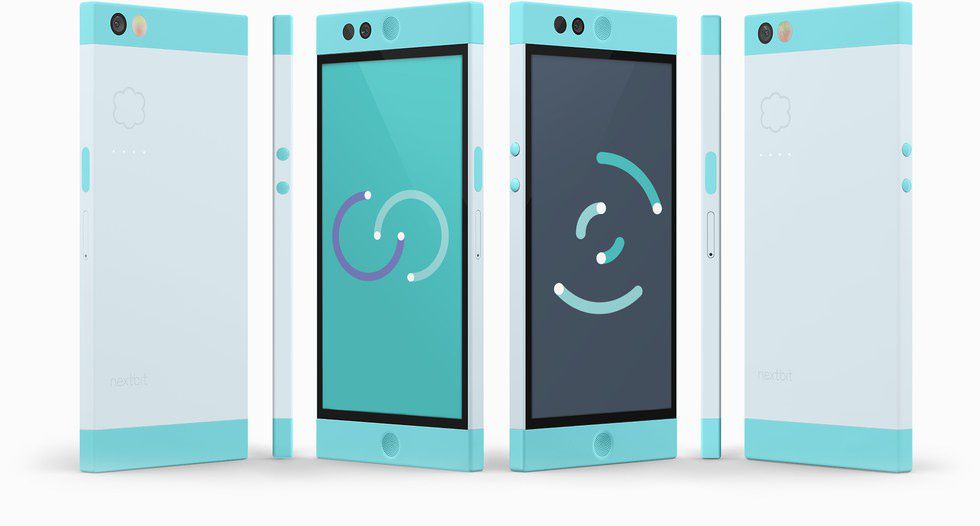
To wrap everything up I’ve chosen a phone that has peaked my interest and has me constantly questioning if I really want my iPhone 6s Plus. The Nextbit Robin is an interesting take on budget phones not because of the technical specs in it; it’s a great phone with 3 GB of RAM, a 13 megapixel rear-facing camera and 5 megapixel front-facing camera, but there’s something different about this phone compared to the others. This phone’s main selling point is the “unlimited storage” it offers. The phone comes with 32 GB of onboard storage, but has 100 GB of free cloud storage. The way the phone actually monitors the music, photos and apps you use most will be kept on the phone, but the stuff you don’t always use is stored in Robin’s own cloud storage. When you want to use that app, listen to that song or look at that picture just tap on the grey icon and it will load back onto your phone. The Robin can be purchased for $299.
With recent advances in technology, there is no longer a need to pay upwards of $650 dollars to have a decent smartphone anymore — it’s a want. Of course there’s nothing wrong with these flagship phones we all know and love; as I said earlier I have the iPhone 6s Plus. If you’re looking to upgrade and don’t want the next Galaxy or whatever device you were thinking of, maybe one of these cheaper options sparked your interest. Was there a phone I missed? Let me know with a comment!