

A lot of people, especially college students, have trouble saving money. There are dozens of ways to save the cash you work so hard to make. The key to financial success is being aware of what you are spending money on, and stopping the bad habits you've created.
Here are 45 tips to help you save money:
1. Limit eating out
Eating out, whether it be at a sit-down restaurant or a fast food chain, is an expensive habit. The meals are expensive, and you definitely have leftover food at home that you could be eating. While eating out occasionally isn’t bad, it is a lot cheaper and healthier to eat at home.
2. Make coffee at home.

The one-time price of a coffee maker and the occasional cost of coffee beans or creamer doesn’t even compare to the outrageous prices you pay when you stop for a cup of coffee on the way to class.
3. Don't throw away extra condiments.

When you get extra sugar packets or condiments, it is easy to mistakenly throw them away, but it is definitely worth it to save them. Not only will you always have extras laying around at home, but it also allows you to have small packages for free rather than buying a big container of something you rarely use and having it go bad.
4. Buy produce from the farmer's market.

Fruits and vegetables from the farmer’s market are a lot cheaper and fresher than from the supermarket. In addition to them being cheaper, it also gives money to a local farmer as opposed to a big corporation.
5. Don't grocery shop when you're hungry.
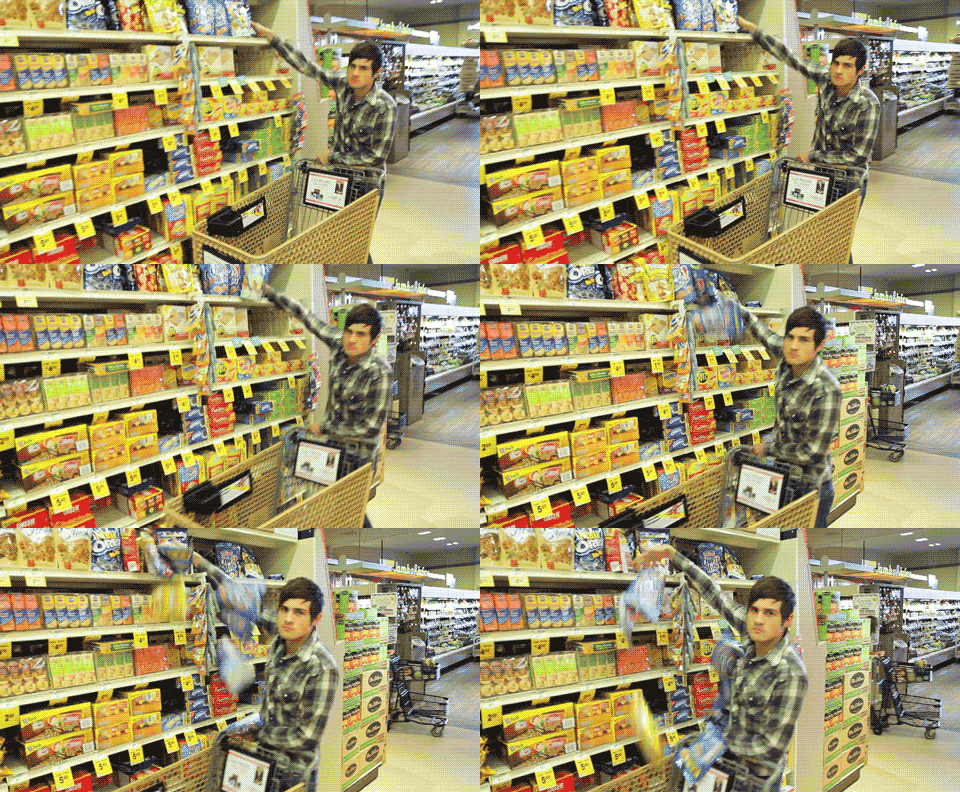
If you go shopping when you are hungry you are going to spend a lot of money on foods you don’t need or want. You are also going to buy higher calorie foods than if you shop after eating.
6. Drink water.

When doing your daily activities, take a water bottle with you. It is a lot cheaper for you to just fill up your water bottle than to buy something new every time you’re out. Also, if you are at a restaurant water is free, so that saves a lot too.
7. Cook with friends.
Not only is cooking with friends a fun experience, you can also split the cost of the meal. There is bound to be a lot of leftovers for the next day too.
8. Opt for lunch or happy hour when going out.

If you do decide to go out, the lunch menus are always a lot cheaper. Happy hour is another good time to go because not only are there cheap drinks, but some foods have lower prices during that time as well.
9. If you're going to the movies, go to the matinee time.

Movies are always getting more expensive and are better to wait until you can stream them online. If there is a movie you really want to see in theaters or you need something to do on a rainy day, go to the matinee showing. The few bucks you save will make a distance in the long run.
10. Save containers to reuse.
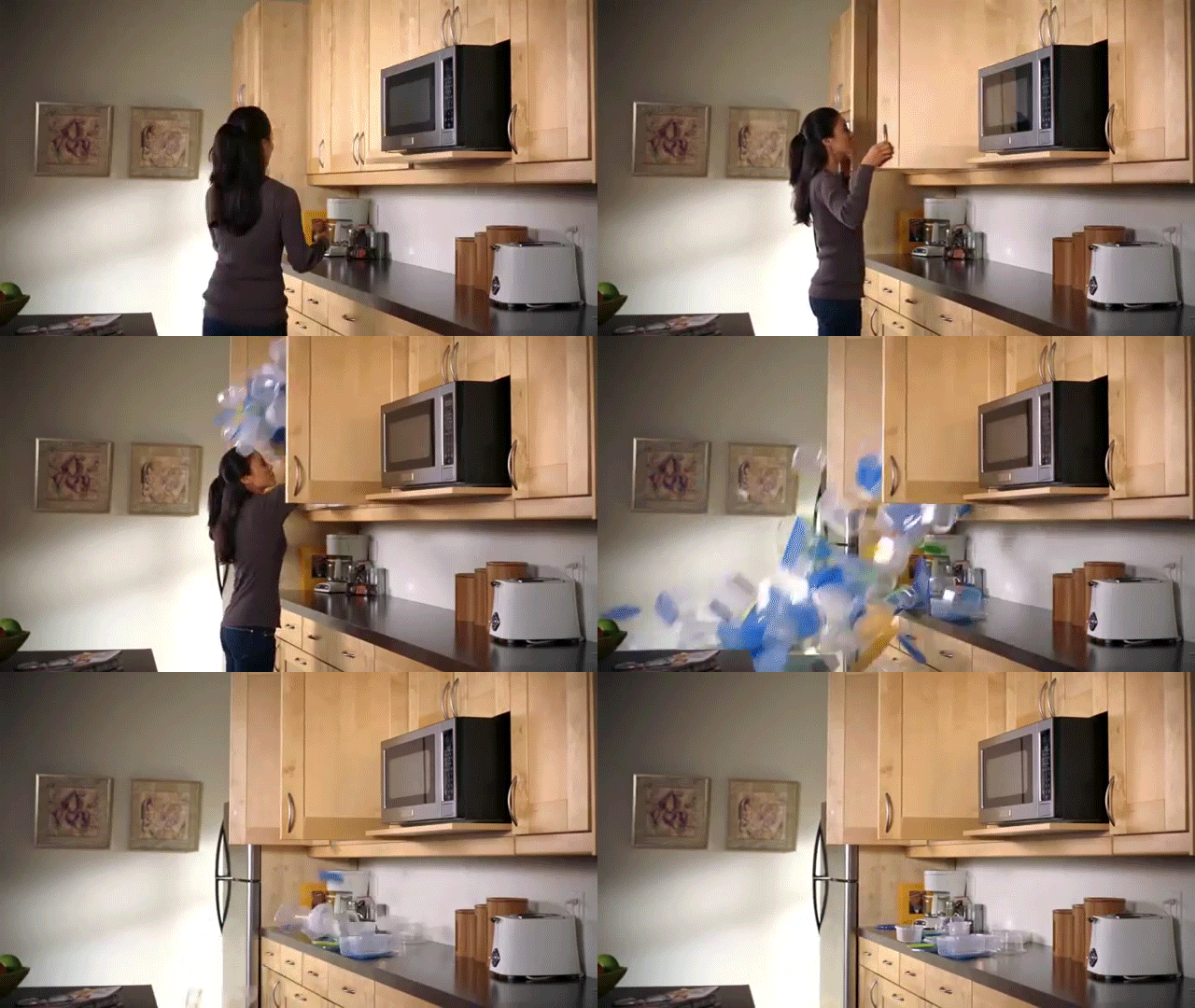
A lot of people throw away their empty containers, but they can actually be really useful. Rinse out butter containers and plastic take out dishes. That will save you from buying a lot of Tupperware in the future.
11. Buy in bulk.

There are a lot of things that you should buy in bulk. It is a lot cheaper to buy bigger packages of items that do not go bad. Some things to buy in bulk include toilet paper, batteries, office supplies, pasta, rice, and trash bags.
12. Take advantage of student discounts.
So many students forget that they do have certain perks. A lot of places, especially near campus, give student discounts. Don’t be embarrassed to ask because a few bucks does make a big difference.
13. Walk, bike, carpool, public transportation.
Instead of wasting gas by everyone driving to meet at one place, carpool. There is always something amusing to happen on public transportation. Walking and biking are a nice and healthy way to get where you need to go.
14. Rent used textbooks whenever possible.

Textbooks are excessively high priced. Renting a book used is not gross or weird. It is oftentimes about $20 cheaper to rent something used rather than new. With 5 classes, that will save you $100 per semester!
15. Go to events on campus.

A common stereotype is that campus events are lame and aren’t worth going to, but that is inaccurate. A lot of campus sponsored events are a lot of fun, and many of them have free food too.
16. Go to the library.
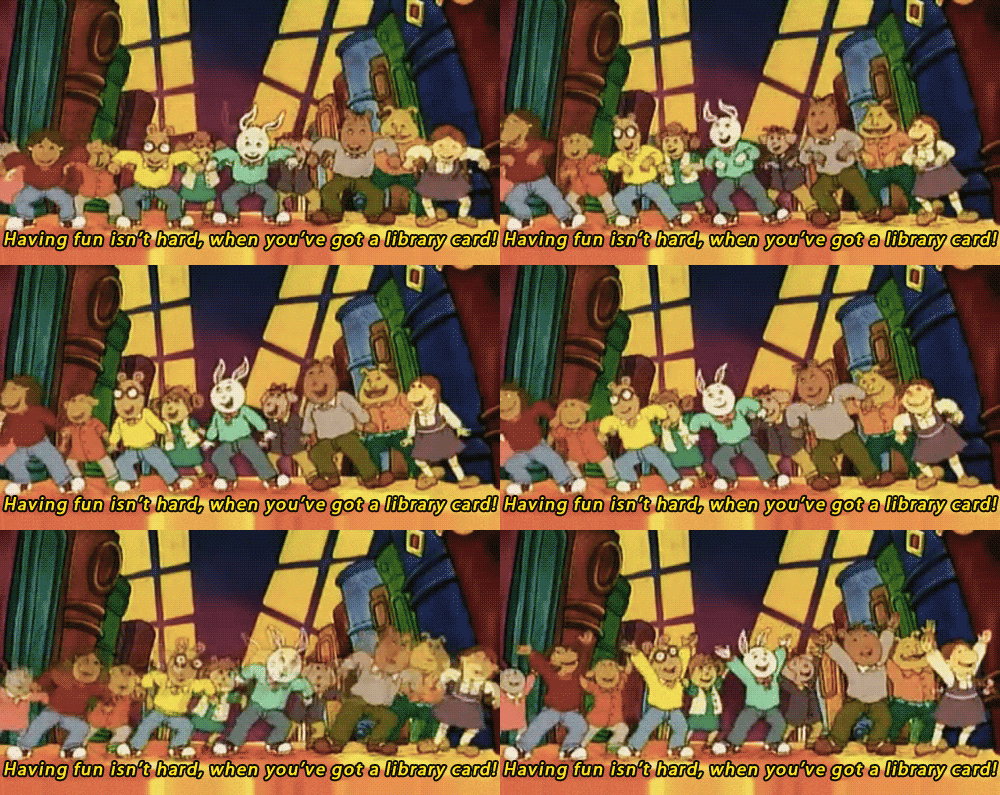
Borrowing books, DVDs, or CDs from the library is a lot cheaper than buying every book you want to read, movie you want to watch, and song you want to listen to. It also gives you somewhere free to go when you’re bored and need a change of scenery.
17. Join a club or intramural sport.

Joining a sport normally has a fee, but it does give you something to do that will save a lot in the long-run. You have a great chance to make funs, and you won’t even need to buy a gym membership if you’re working out as a team.
18. Read your school's newspaper.
The paper often lists a lot of free events and gives coupons to other places. Grab a free paper and take advantage of the opportunities it presents you.
19. Skip an expensive spring break.

You don’t have to go to some tropical beach or travel around Europe for spring break. There are a lot of fun things to do locally, or you could travel around with your friends to their hometowns. There a lot of cheap, but fun things to do that are still unique experiences.
20. Pay your bills on time.
If you are paying your bills on time and keeping track of your payments is important because it will prevent you from having to pay additional late fees.
21. Don't spend a lot on decorations/decor.

Rather than overdoing it and spending a lot to move in to your dorm or apartment, use the décor you already own. There also is a lot you can make with common household objects to give your place an individualistic look.
22. Keep the A/C or heat low or off when they aren't necessary.
A lot of your monthly bill is in thanks to the heat and air conditioning. Open a window and use fans when it is nice out, or light candles and wear long sleeves when it isn’t too cold. When the heating and cooling system isn’t necessary, don’t use it.
23. Turn the lights off and don't waste water.
It’s easy to forget to turn off a light or stop a dripping faucet, but it will save you a surprising amount of money to remember. When you leave a room, turn off the light. Unplug things whenever you aren’t using them. Pay attention to where your money is going.
24. Do research before making big purchases.
Whenever you have something important you need to buy, make sure you are paying a decent price for what you are getting, and don’t spend money that you don’t need to. Make sure you know the warranty policies, and make sure you aren’t over-purchasing.
25. Hunt for coupons, discounts, rebates, and promotions.
Stores always have different sales and coupons floating around that aren’t common knowledge. Whenever you are at a store, look up coupons on your phone before you checkout. When you do have coupons, do not use that as an excuse to buy more. Stick with only getting what you intended to buy.
26. Become best friends with dollar stores, discount stores, and secondhand stores.

Cheaper stores often have a lot of great finds, and they are even more exciting when you get them for a super cheap price.
27. Avoid buying brand names.

Is paying $2 more for 5 oz. less of chips worth buying a known brand? Not always. Stray from your usual brand names and search for similar store brands. A lot of manufacturers actually package the same chips in different bags for different brands. Also, is a $40 cotton brand named shirt really that much better than the same style $10 cotton shirt?
28. Don't impulse buy.

Go into the store with what you need in mind, and do not stray from that list. People buy so many excess things browsing through aisles instead of getting what they need and leaving.
29. Share online streaming accounts and split the cost.
It’s dumb for an entire friend group to pay for different streaming accounts when they watch the same shows. Share accounts with people you trust to repay you, and you can all watch while paying less.
30. Avoid an expensive weekend.

You don’t need to go to extravagant restaurants and expensive concerts every weekend. Stay at home, go to the park, or just hangout. You can have fun without spending tons of money.
31. Skip the nail salon.

Instead of paying for a manicure, have a girls’ night, and do each other’s nails. Not only will you save $40, but you’ll have a great time and a lot of laughs while doing it.
32. Don't 'browse' online stores.

Browsing leads to buying things that you don’t need. Looking online for things while you are bored cause you to buy unnecessary things that you will regret. Be cautious of what you buy, when you buy it, and what site you buy it from.
33. Opt for low-cost hobbies.

Find something you love to do that isn’t going to break your bank.
34. Inexpensive dates are a thing.

So many people think that dates need to be big and expensive events, but there are so many alternative things to do that will be a lot of fun. You can go on picnics, hang out at a park, listen to music and talk, or just spend time together while doing two different things. Relationships don’t need to hurt your wallet. Love doesn’t need to be expensive
35. Use what you have before buying new.
Just because you really like something doesn’t mean you need to have 40 of that object. Don’t over purchase because you not use all of it, and the items will sit idly in your closet.
36. Take advantage of free samples.
Free samples are an amazing thing. A lot of websites send free samples if you are unsure about purchasing their product. Many makeup counters will also give you small samples if you want to test a product. Even going to the supermarket can be fun when they are giving out samples. Take advantage of them, but don’t let them convince you that you need something when you don’t.
37. Buy only what you need.

If you don’t need it, don’t buy it. Chances are that product will be replenished when you want it and have enough money that you can buy it. Don’t spend money that you don’t have because that will lead to even bigger problems than just wanting something you don’t have.
38. Don't be afraid of minimum wage jobs.
Minimum wage jobs suck, don’t get me wrong, but it is a way to make money. If you want a little extra cash, pick up a few hours at a restaurant or as a cashier. It may not be the most fun thing you can be doing, but it will give you some money you didn’t have before.
39. Accept hand-me-downs.

Hand-me-downs can be some of the best things you can get. People will give you discontinued clothing lines, antique lamps, or old CDs. You may get a lot of junk through hand-me-downs, but you will find a lot of cool things along the way. Whenever you don’t want something someone gives to you, pass them along to someone else who may have a use for it.
40. Price match and bargain.

Don’t be shy. If you think something is overpriced, try to convince the seller to lower price. If you are polite and barter as much as you can, you may walk out of the store saving a lot more money that you anticipated.
41. Use your change.

So many people throw their coins in their bags, and don’t use them. When you use your coins, it prevents you from breaking larger bills. Coins have a currency value, so use them! Pick up the coins you drop or that you see on the ground. It is like making money just for leaving your room.
42. Keep receipts.
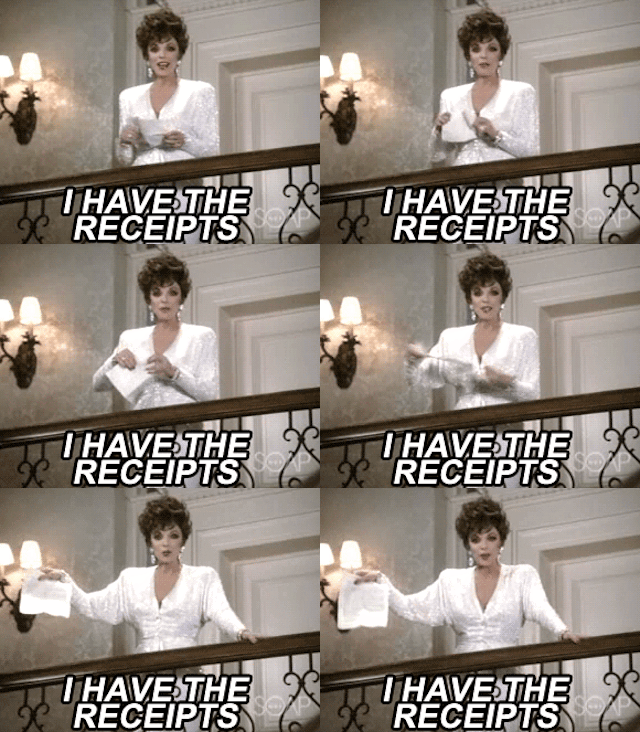
It’s important to keep track of how much you are spending and what you are spending it on. You’ll be shocked on how much money you are spending, and it should inspire you to save more. At the end of each month look at your receipts, and cut out spending money on the things
43. Avoid the ATM whenever possible.
Some ATMs have usage fees, so it is best to avoid them when possible. It is also easy to lose track of how much you are taking out of your account.
44. Don't use coin counting machines.
Sometimes these machines get confused when you put too many coins in at once, and they miss some of your coins. It may not seem like a big deal, but you are better off wrapping your change and taking it to the bank yourself.
45. Use cash instead of your card.
When you use a credit or debit card, can be easy to spend way more than anticipated because it is not physical cash that you have to count. If you carry around cash, then you have a limit to how much you can spend, and it will save you so much money by limiting yourself.