

I'm my stereotype.
I'm basically a sorority girl without paying the dues. I wear white Converse and big t-shirts and I like to get prettied-up to feel good about myself.
I'm also intelligent. I take on a large workload during the semester and I make sure all of it gets taken care of. I know without a doubt though that when the public sees me, I lose my credibility because I don't "look smart." On top of that, although I'm a communications student, I often catch myself speaking like a beanie-baby. Over the last few months, I've caught on to some phrases that females tend to say more than males, phrases that weaken our presence in a room, phrases that we need to dissolve from our vocabulary.
1) "Like..."
It's so painful to hear, yet so easy to say. I'm the worst victim of the "like" disease. My family cringes, as they should, any time I say a sentence along the lines of, "And then she was like..." Not only does it make females sound airy, but we tend to say it to the point of exhaustion. Give the like a break. My solution is to talk slower, and though it may sound childish, process my words. Like can be replaced with a handful of phrases (although none of them are as convenient or fun) - but it's worth it. I will not not get a job because I said 'like' too much in my interview. I will not be the "like" girl.
2) "I love it."
Speaking of job interviews, I had a professor two semesters ago that told us one day during her lecture, that when she is interviewing potential employees, she won't hire someone who only uses one syllable words. Vocabulary can be a direct sign of intelligence, so why would you want to discredit yourself by taking the easy way out? Instead of 'loving' something, try something deeper. "I adore it. It inspires me. I'm looking forward to this. I was impressed by it."
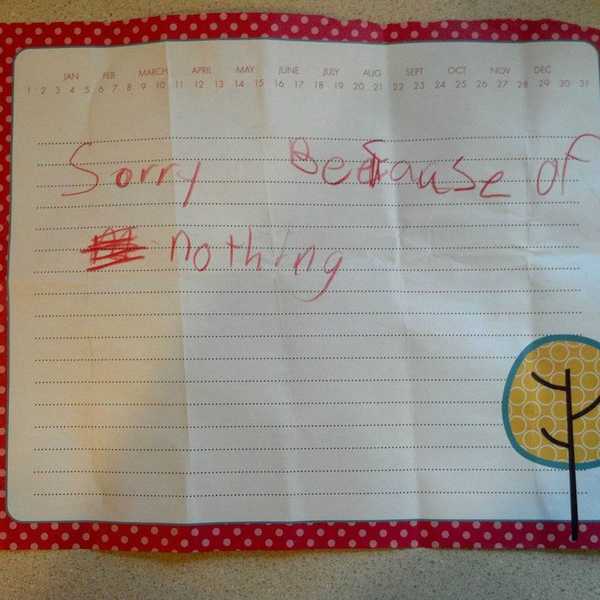
3) "Sorry."
This is not to be taken out of context. Apologizing is a sign of maturity and kindness, but don't apologize out of meekness. There was a study about a year ago that found that women tend to apologize before asking a question or when they feel they're at fault, when they really aren't. For example, "I'm sorry, I don't understand this." Why apologize for a miscommunication, or for not being able to wrap your mind around something instantly? We feel stupid, so we apologize. Not only does this put ourselves down, but it instantly makes it okay for others to do the same to us. We set the standard on how we're treated based on how we treat ourselves. If we are unapologetically willing to learn and conquer, we will learn and conquer.
4) "I just feel like..."
Again, this is not to be taken out of context. In the context of a personal conversation, "I feel like you can be a jerk" tends to work better than "You're a jerk." However, that being said, in the professional or educational setting, nothing discredits another female to me more than when she makes her argument by saying "I just feel like this plan would work better yada yada." It reflects a lack of confidence. I try to think about politics in this realm. A member of congress wouldn't stand up and say, "I just feel like this bill isn't going to work..." they would direct their audience with confidence, knowledge, and assertiveness and say "This bill isn't going to work, here's why." Sometimes, it's okay to leave our feelings out of it.