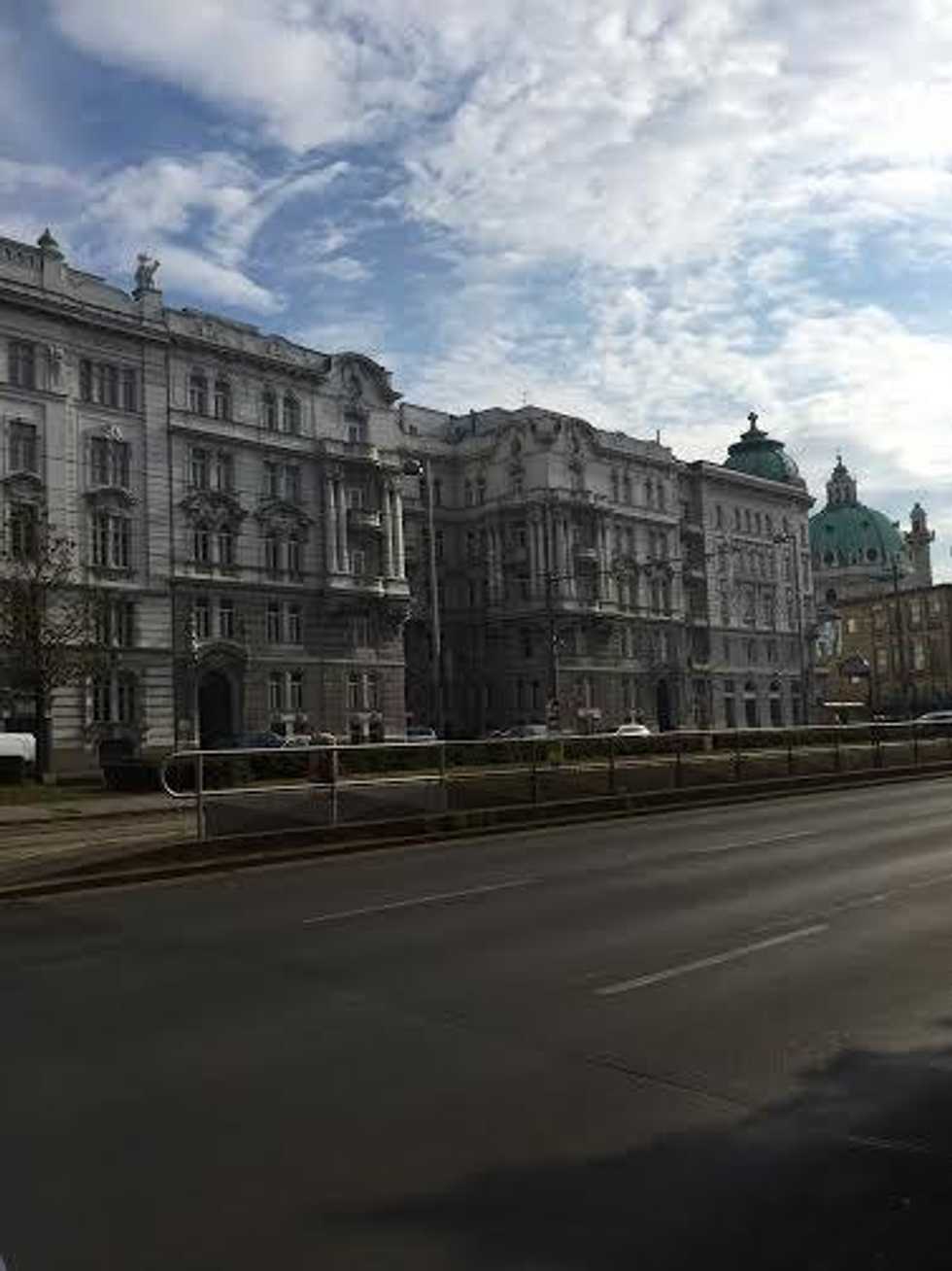
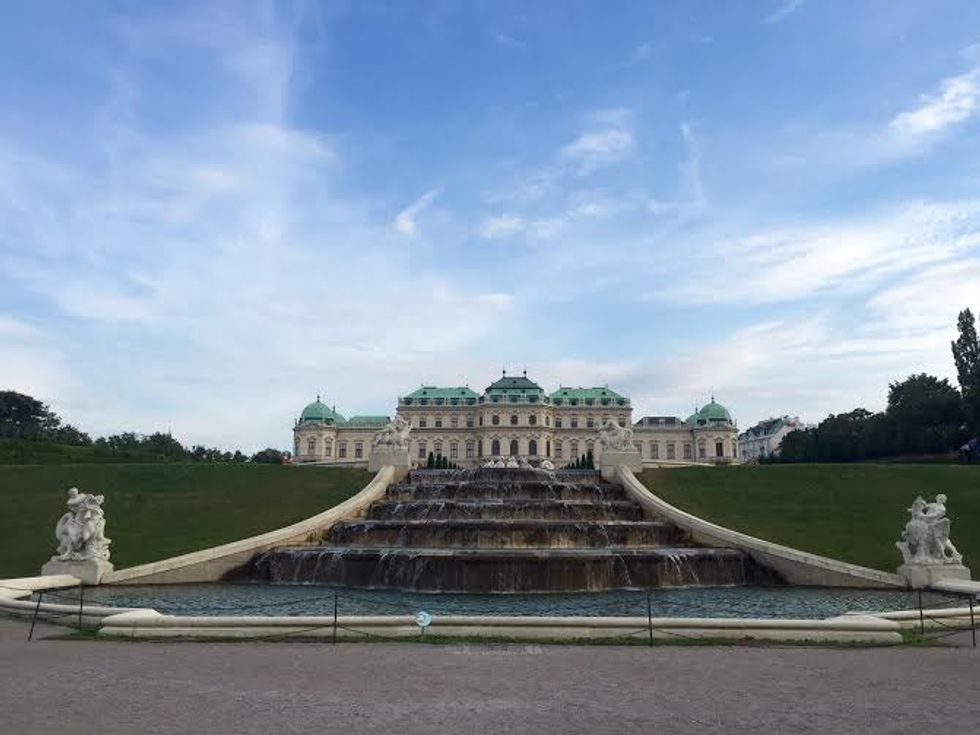
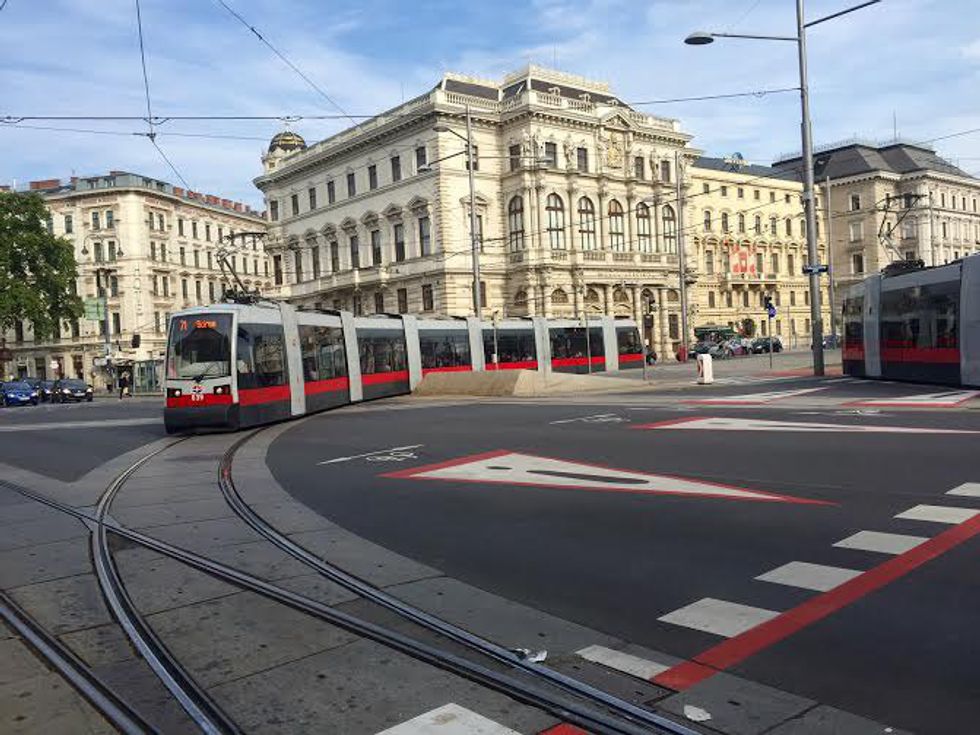
This summer during my trek around famous European cities, I had the pleasure of visiting Vienna, the beautiful capital city of Austria. Here are 13 fascinating new things I discovered about the city during my stay there.
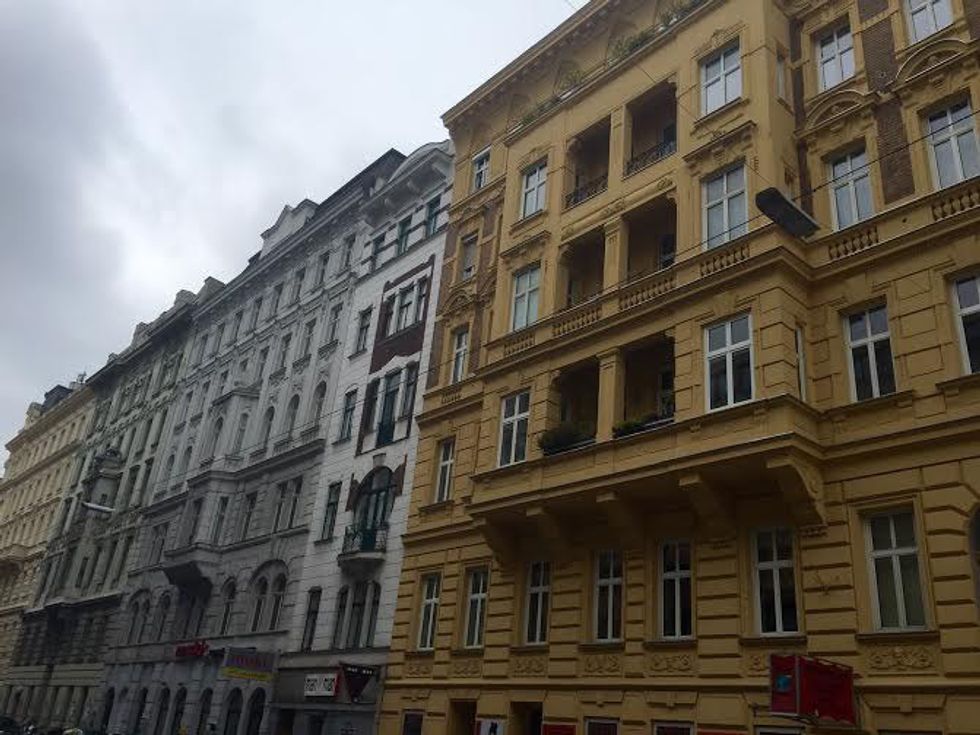
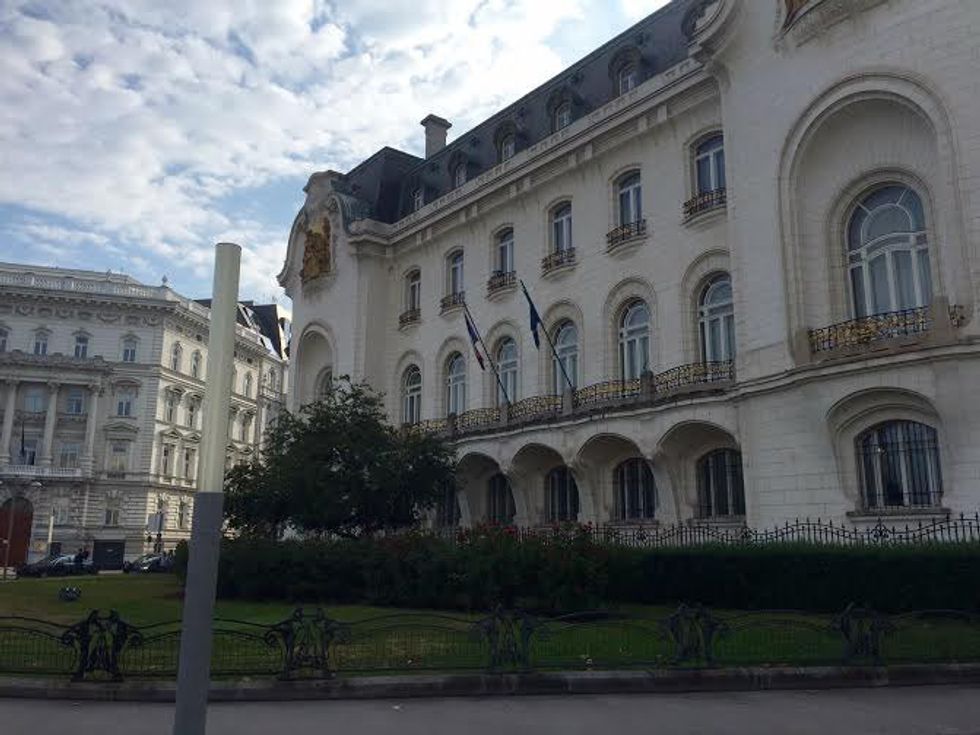
On monochromatic buildings
The first thing we noticed from the windows of our cab from the train station was how white the city looked. Whereas European cities are known for their pretty pastels, Vienna's buildings were very monochromatic: white, light grey, a light yellow building here or there. It was cloudy and rainy the whole time we were there, too, which only made the white buildings stand out more.
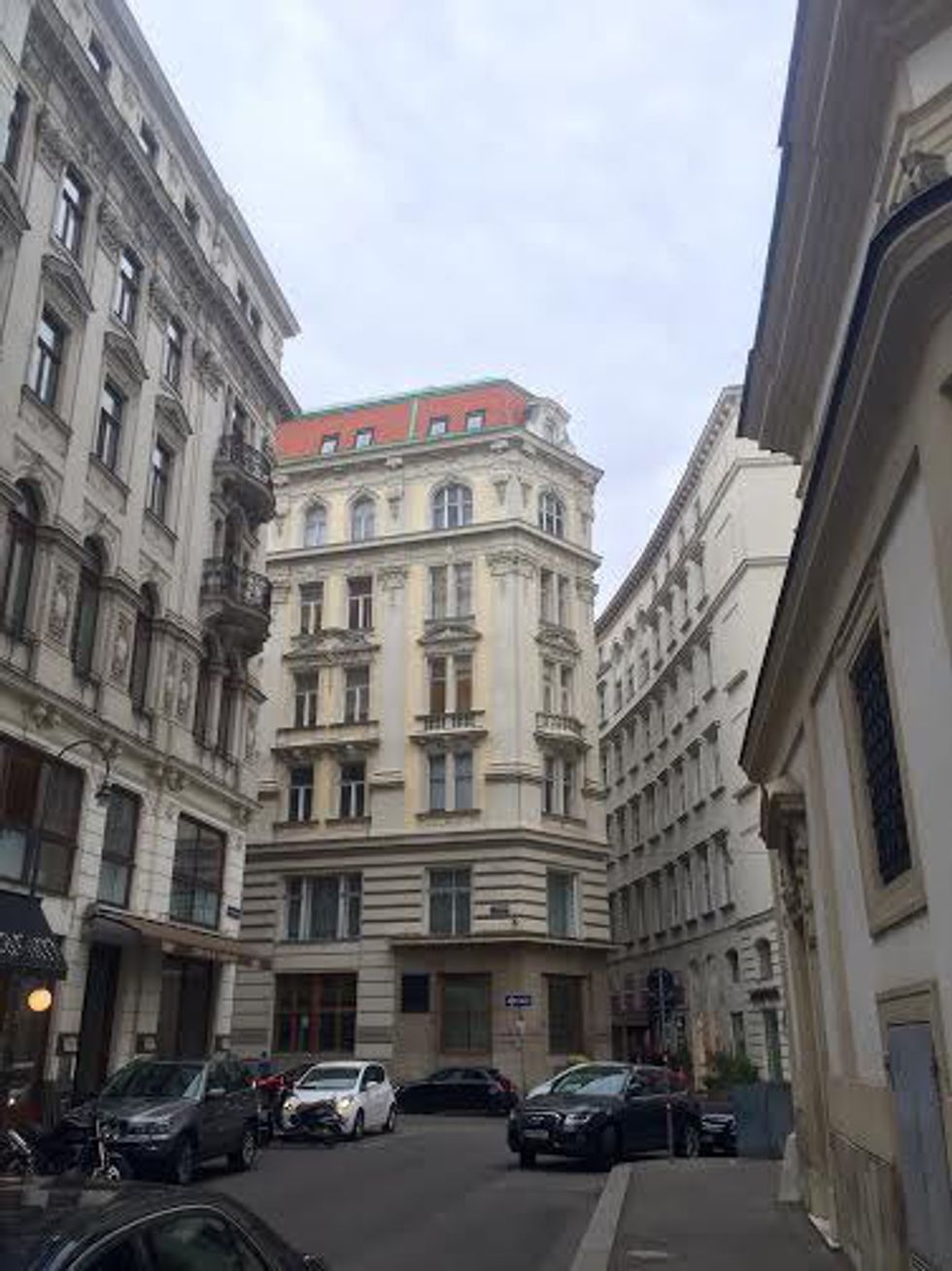
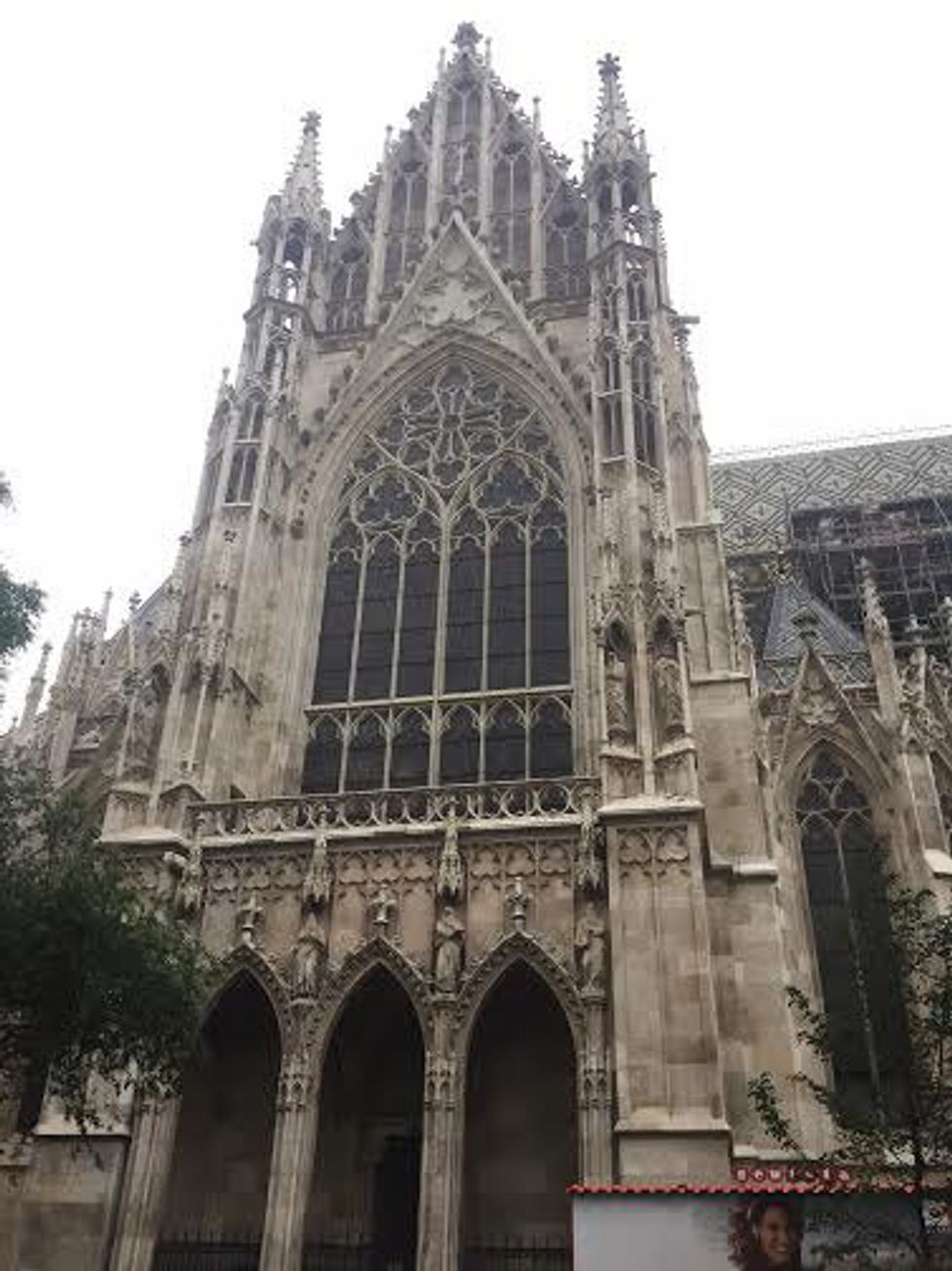
Still, even though the colors were different, the architecture of the whole city still gave off a very European vibe- tall buildings with rows of windows, ornate porches on the top floor, mansard roofs, and narrow cobblestoned streets.
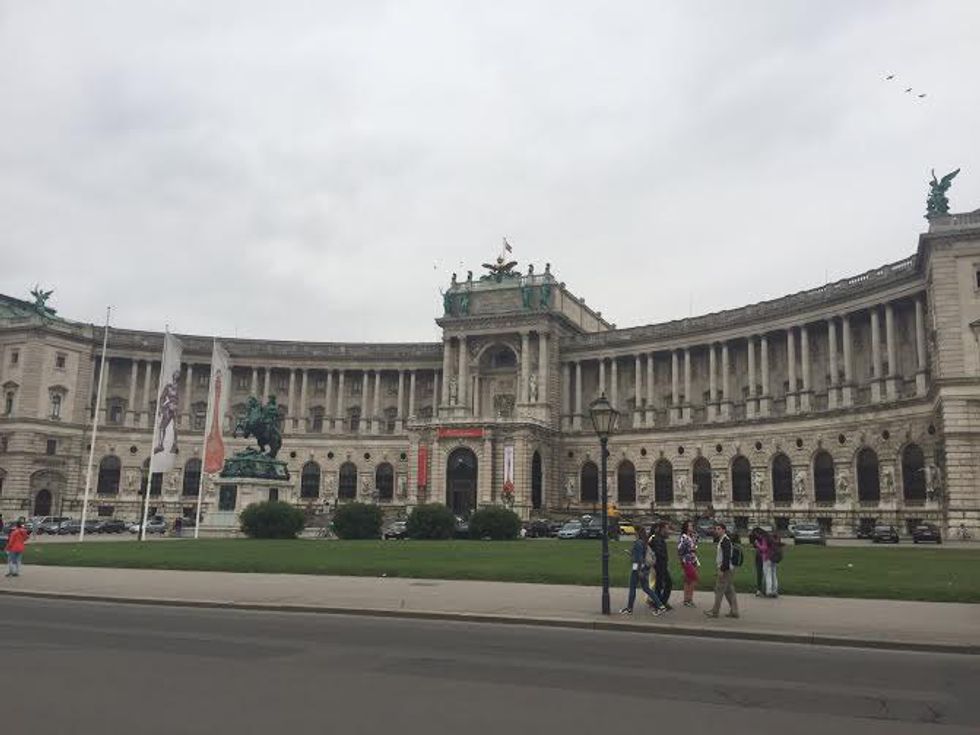
Wien had a unique style to its architecture. In addition to the European style streets, it had these large buildings, like the Hofburg Imperial Palace, with huge Roman architectural influences to it.
On the language
I am almost ashamed to admit it, but I had no clue what language was spoken in Austria before I arrived there (Is Austrian a language?). No, it is not. German is the official language of Austria. Like any major international hub though, English is fairly commonly spoken there, and the people were always ready to help us with directions. Shopkeepers who did not understand us would grab another employee who could speak English, so there was not any real language barrier in Vienna.
On the name
Similar to Prague being “Praha”, Vienna is called “Wien” in German (the German language pronounces the “W” like a “V”). When booking our train tickets to the city, we could not find the train station listed under Vienna, only Wien.
On smoking in restaurants
Public smoking is by far more common in Europe than it is in the States, but Wien was the only city where we would be sitting down for breakfast in a restaurant and be surrounded by other customers smoking indoors. Indoor smoking is very common in Wien and extends to all restaurants and is not limited to bars and the nightlife.
On the statues
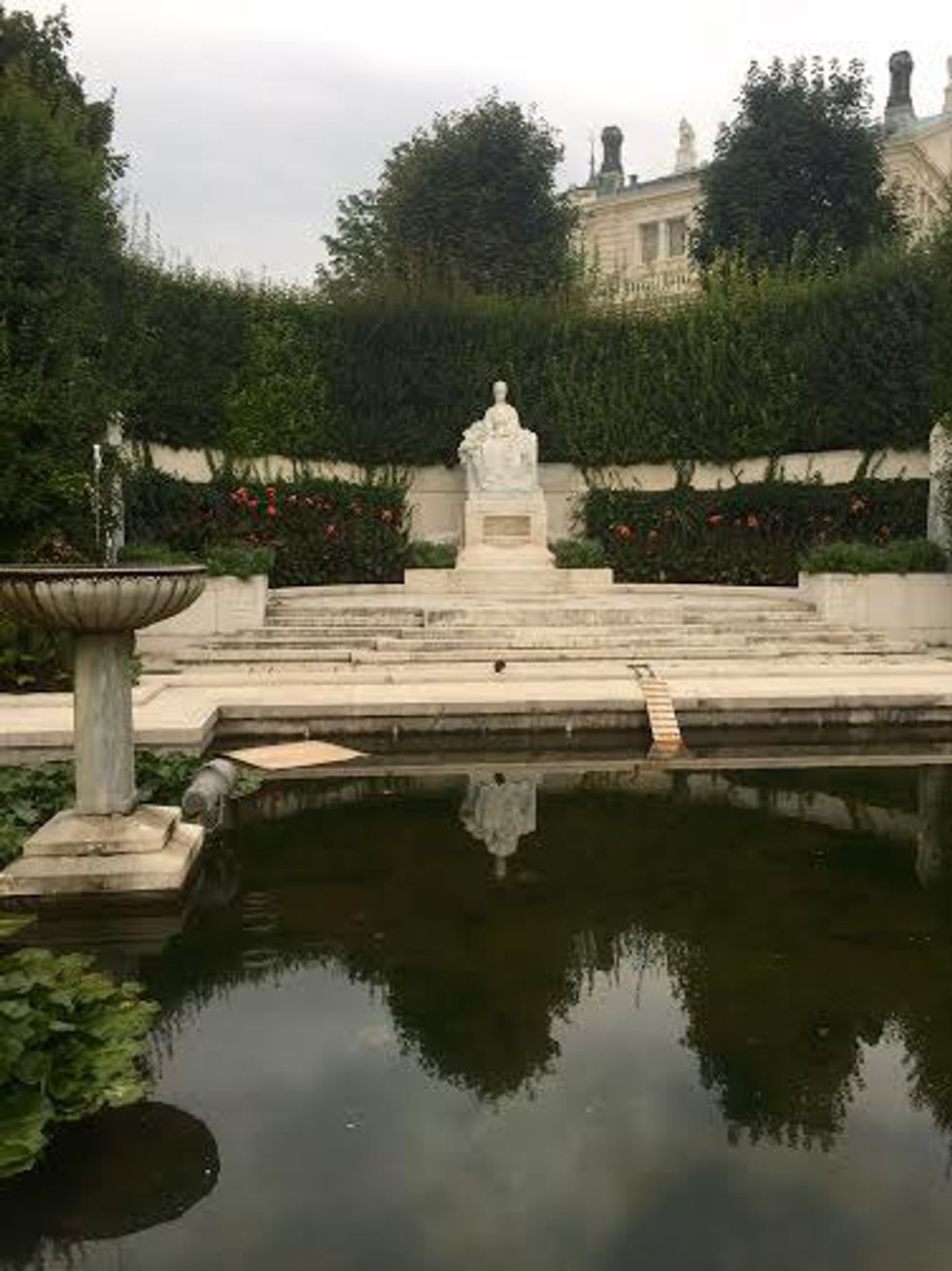
There were so many statues in Wien. On every important building, in front of old streets, in parks- there were probably more statues surrounding this one building in the tourist district than there were total in any other city we saw. We also noticed how a lot of them were statues of women- at least half of them, a ratio we did not see in any other city. Some were absolutely hilarious and made my feminist self chuckle. My travel partner shouted “You go girl!” as we walked by one statue of a very pissed-off woman holding a male’s severed head in her hands, a triumphant look on her face.
On scooters
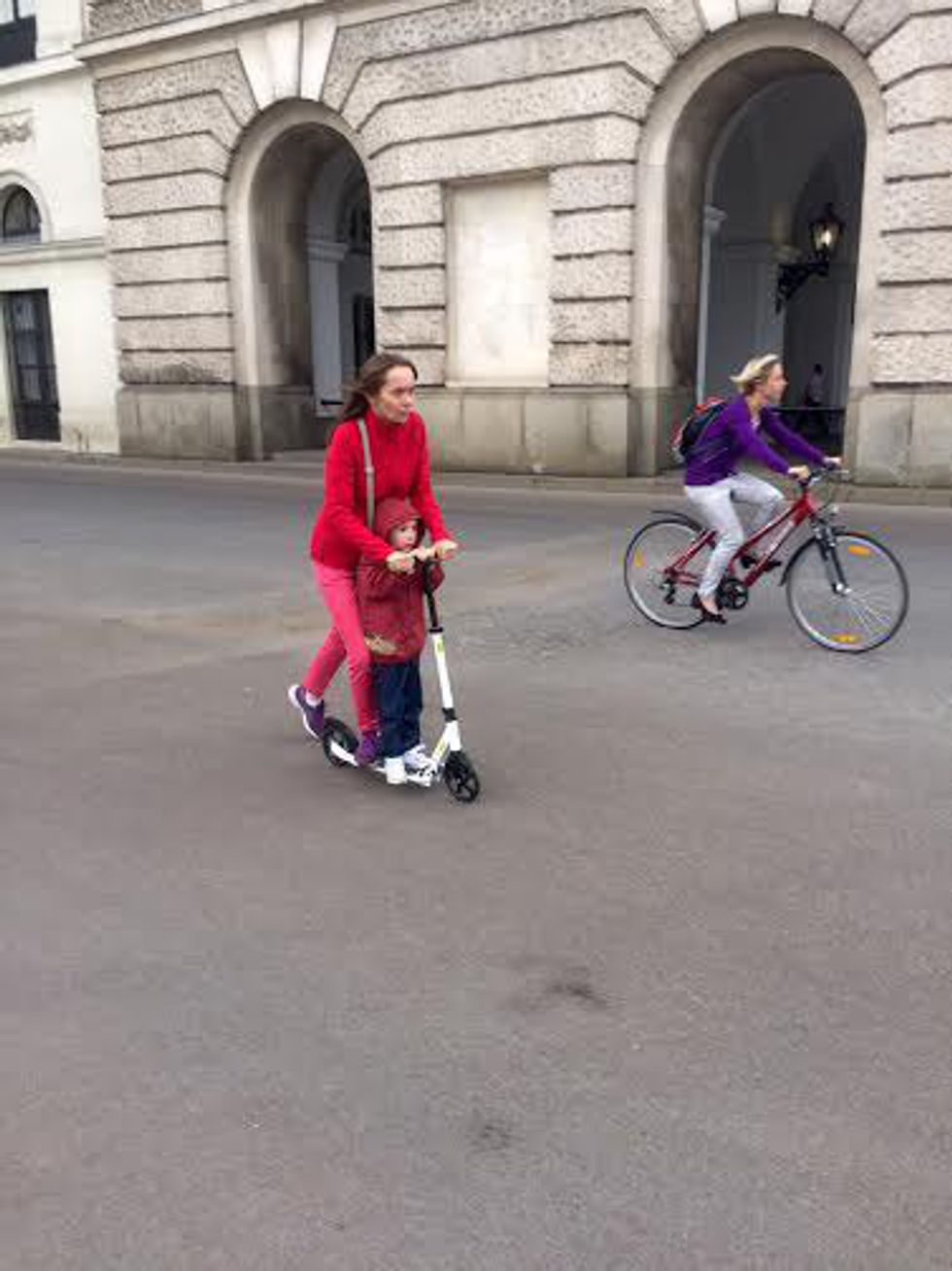
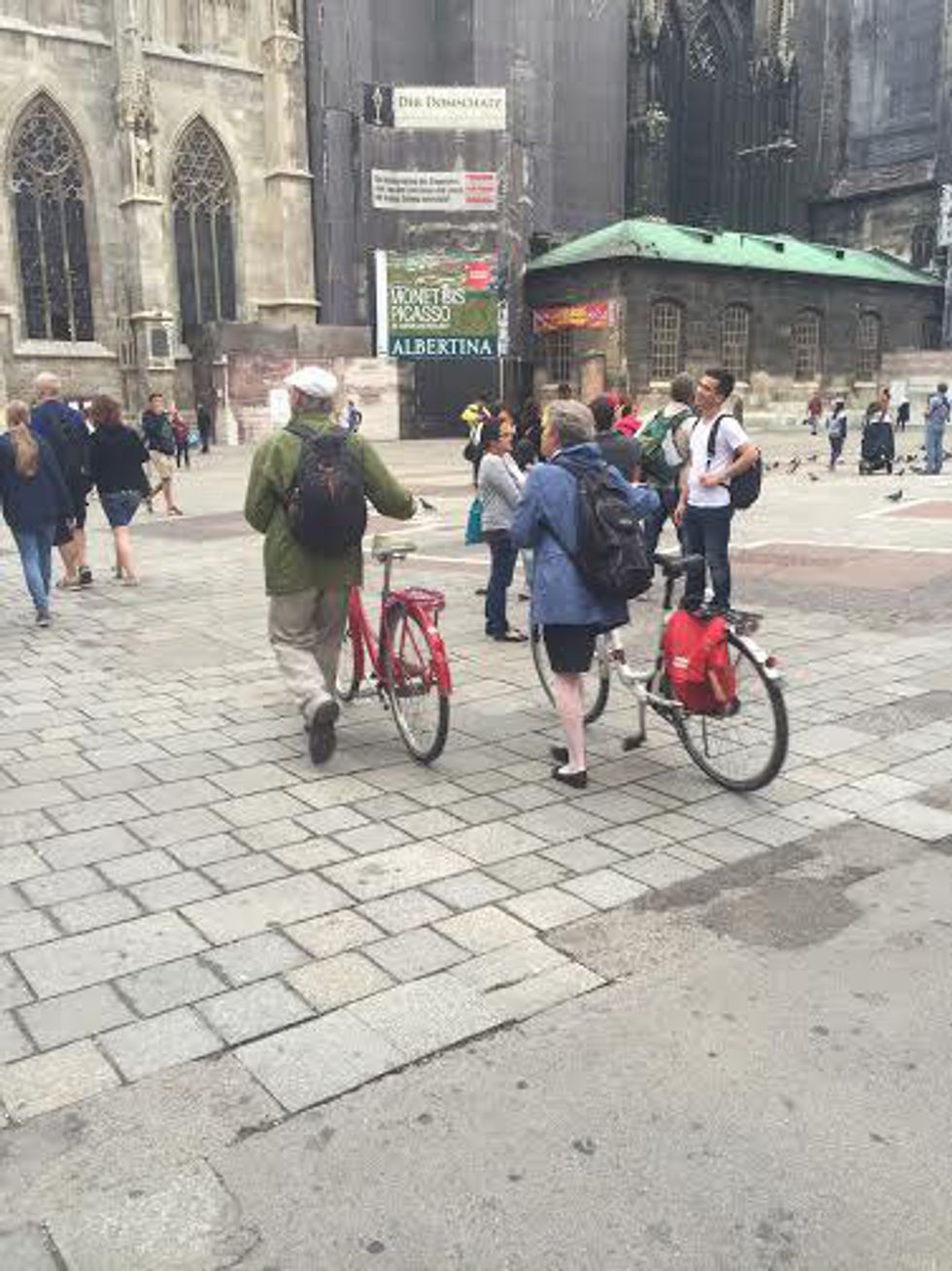
Bikes were everywhere in Europe, including Wien, but many people also zipped around on scooters. Not even motor-powered, but the old razor-looking scooters we rode as kids. And they were all over the place, in the tourist areas, and the residential parts of the city. Scooters seemed to be a family thing too; I saw many parents riding the scooters with their children standing in front of them on the scooter. I suppose it is easier to hop on and off a scooter rather than buckling a toddler into a child’s seat on the back of a bike!
On the multicultural feel
Wien felt the most diverse, culturally speaking. Every souvenir shop we browsed had relics from Asia and the Middle East. There were shops lining the streets that sold décor pieces from all over the world. The street our hostel was on was chock-full of Chinese, Japanese, and Thai restaurants. My friend with whom I was traveling is Iranian, and she recognized many of the shops and food places to be Persian. She ordered some of our food in Farsi, and spoke with our Iranian cab driver in Farsi as well.
On the museums
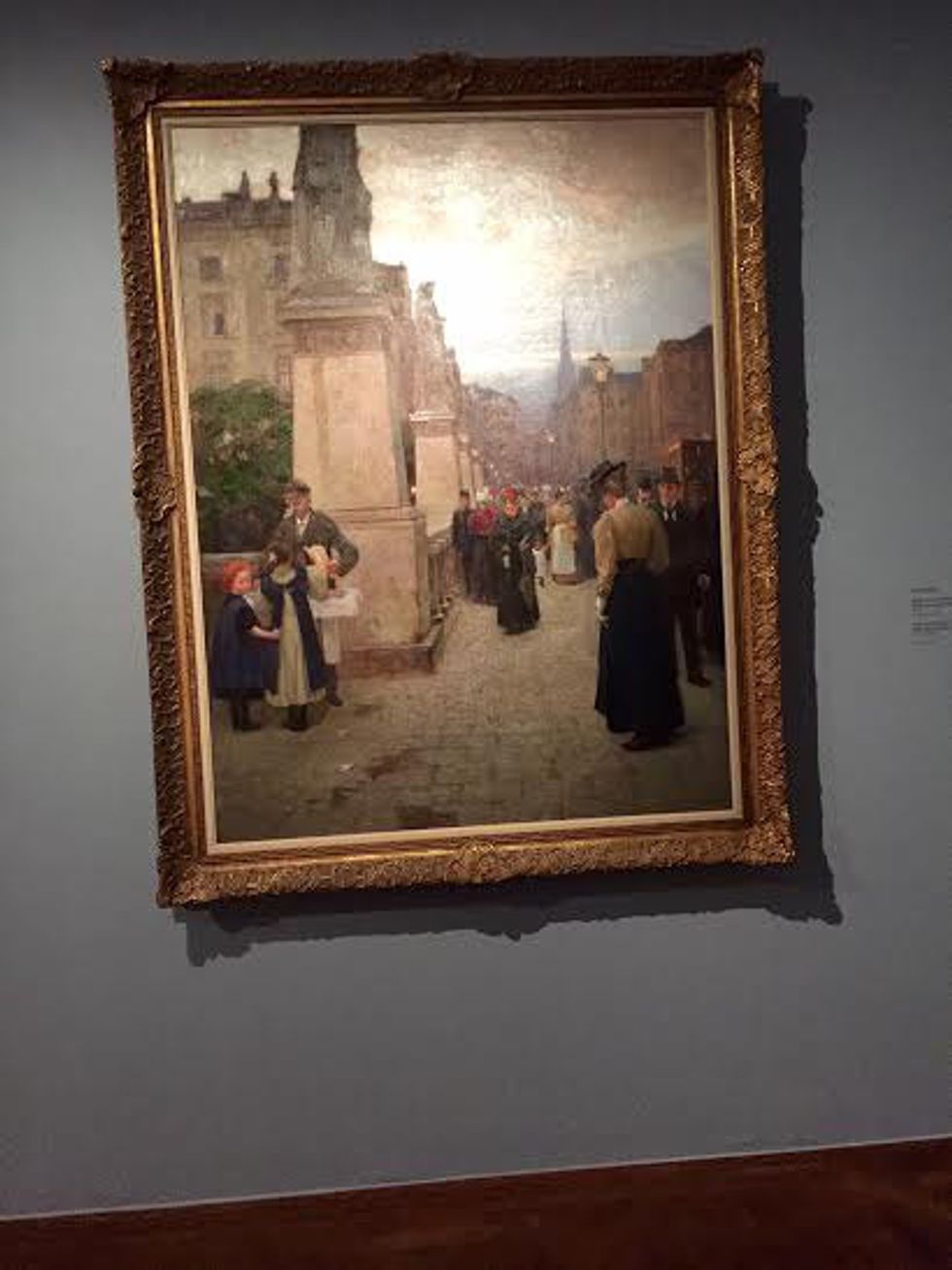
Wien has museums everywhere. Many are incorporated into neighborhoods, right next to restaurants and apartments, but there are some famous museums that are in large buildings that take up an entire city block.
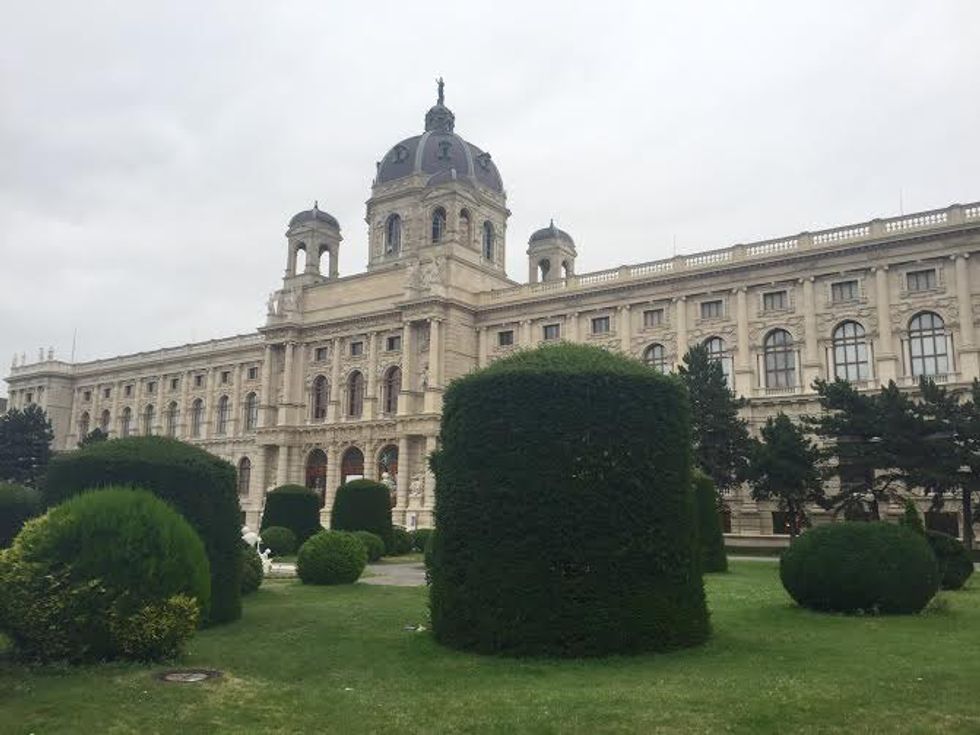
There were two large museums- Kunsthistorisches Museum (the fine
arts museum) and the Naturhistorisches Museum Wien (Natural History Museum of
Vienna)- that sat facing each other with this beautifully manicured park in
between them. We drank our coffee to go on the steps on the art museum one
morning and admired the statues and fountains, and people-watched the families
sitting on the park’s benches. The famous Venus of Willendorf is on display in
the Naturhistorisches Museum, and I am so disappointed I did not learn about
that until after we had left. Cue the tiny violins.
We visited a few of the smaller museums there, and while they were informative, they were not quite their money’s worth. The Mozart museum in his apartment in Wien was very interesting to walk through, but you would only want to pay so much money to walk through an empty house, no matter who lives there! The Jewish museum told the story of the history of Jewish families in Wien (I did not know that even after WWII, Wien went through as many loopholes as it could to prevent Jews from moving back into the homes and shops that had owned prior to the war), but some of the displays felt too text-heavy and the museum was arranged in a chronological order that was confusing to follow.
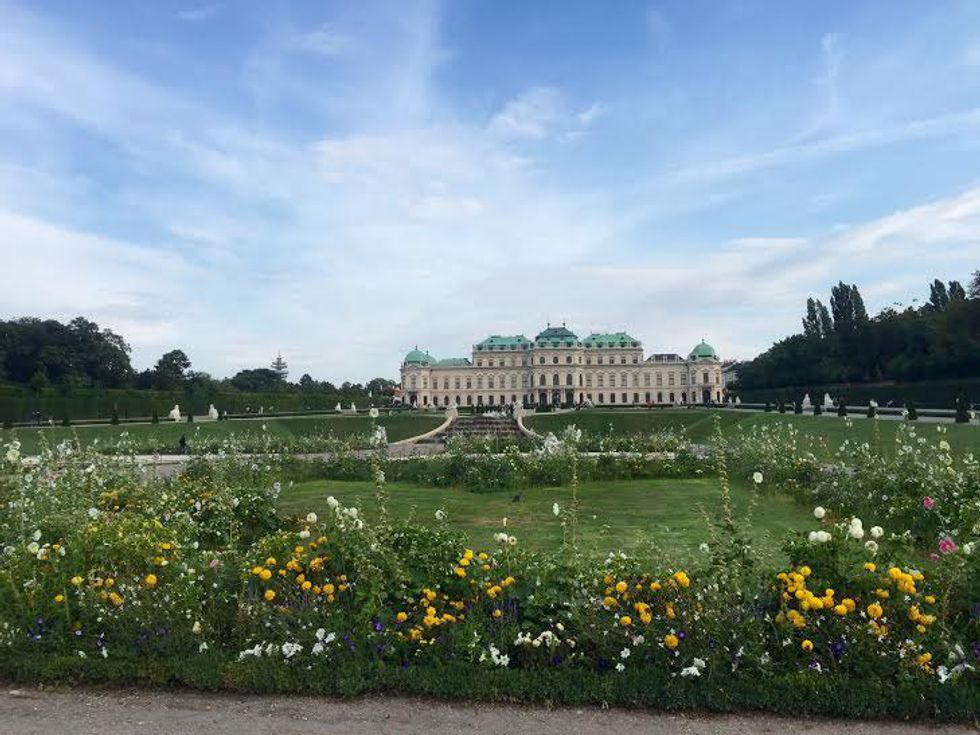
My friend had wanted to visit the Klimt Gallery at the Schönbrunn Palace after we saw his artwork on mugs in souvenir shops everywhere. The pamphlets for the exhibit showed some of Gustav Klimt’s most famous pieces, but when we got there, the curator told us that there were no paintings of his there, only early sketches of his. So the 15 euro we spent to get in was quite the rip off. Luckily, we got to browse the beautiful garden grounds for free afterwards. There were families of tourists and locals out on their afternoon run alike in the garden. I advise visiting the fine arts and natural history museums, skipping the Klimt Gallery, and admiring the landscaping of Belvederegarten.
On the markets
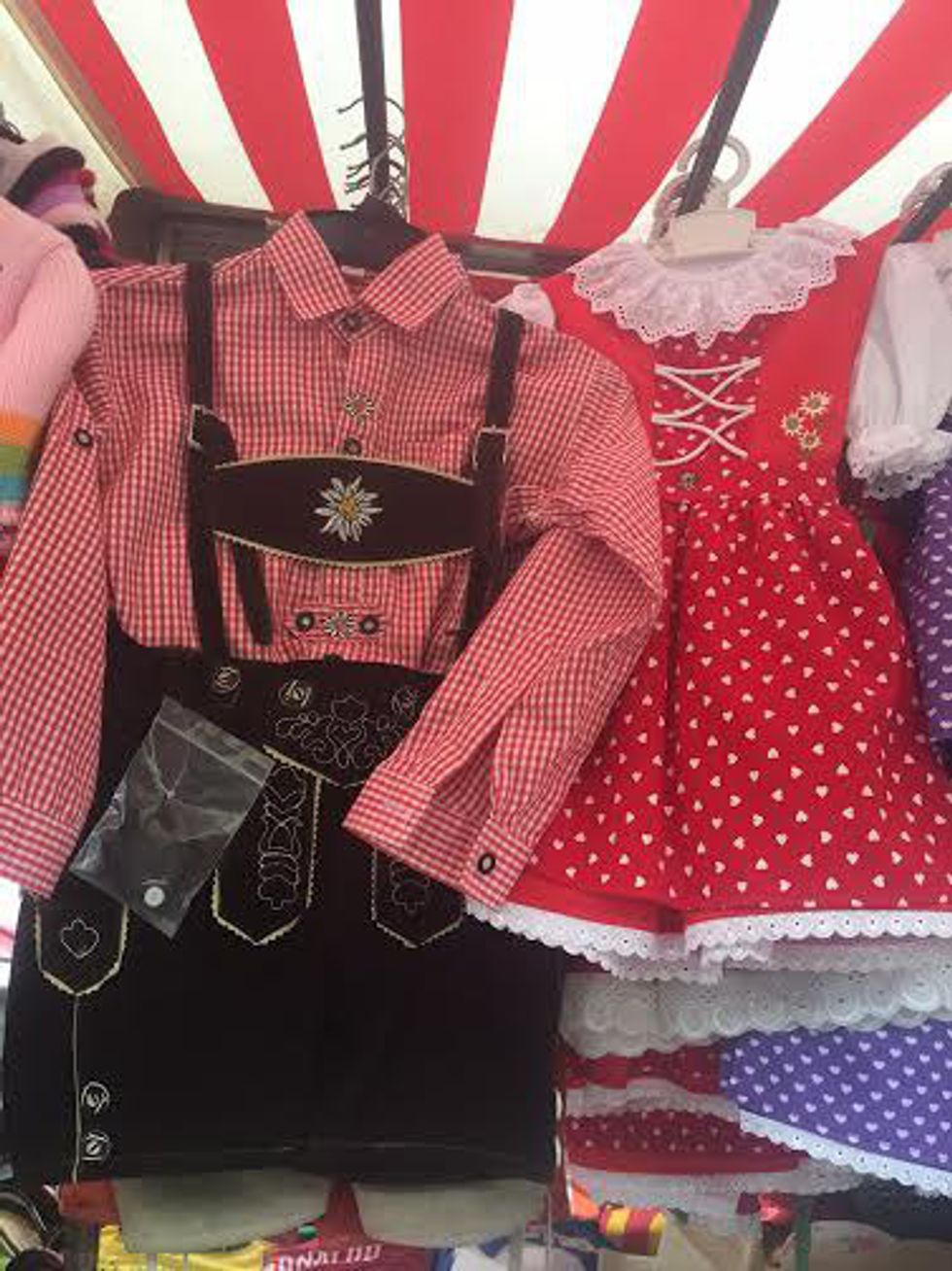
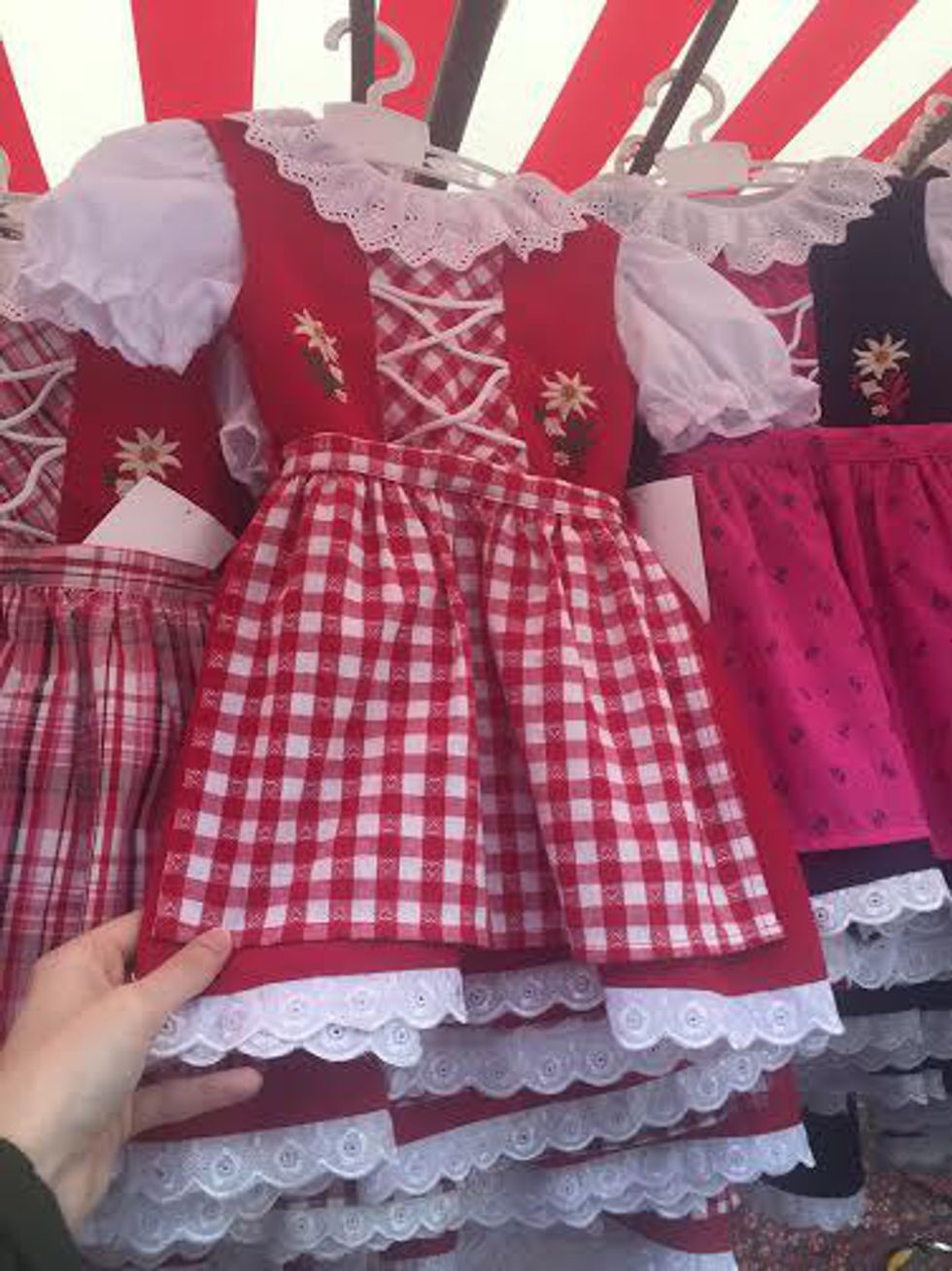
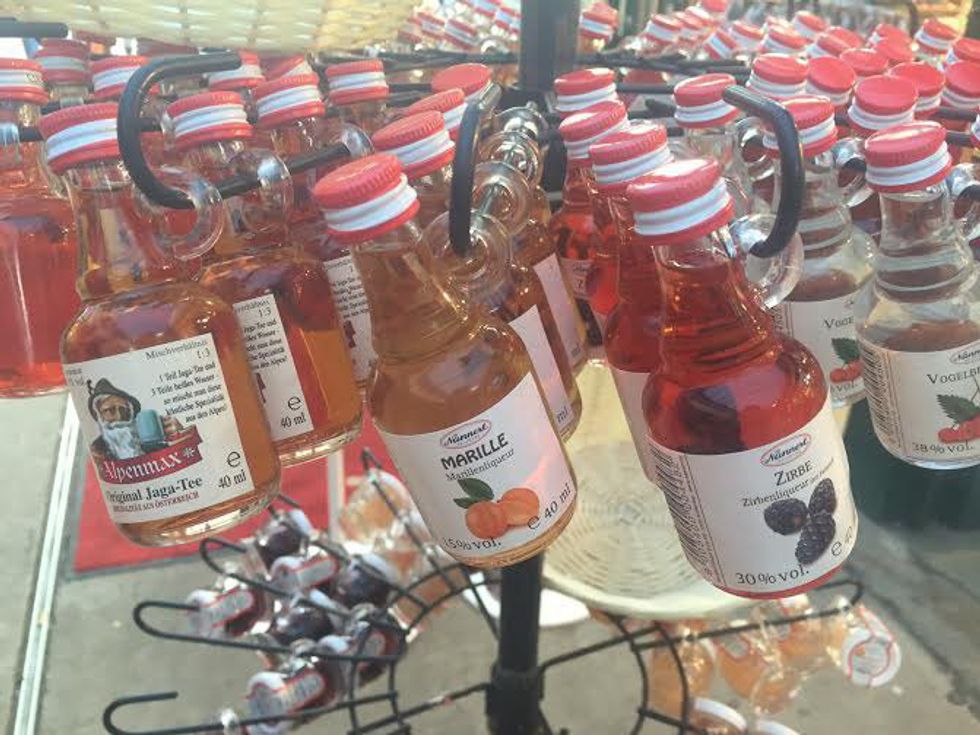
Outside of our hostel was this outdoor marketplace with vendors selling all sorts of things: souvenirs, traditional Austrian children’s clothes, incense, tapestries, fresh produce, smoked meat, jars of jam and vinegar, lavender sachets. You name it, they sold it. There were several of these markets in Wien, and they were huge- each took up a few city blocks!
On the street performers
In the tourist sections of the city, we saw many musicians on the streets. But unlike in the States where it is common to see guitar players or drummers, we saw people playing classical instruments like the cello, violin, trumpet- there was even a man singing opera in Italian with the most beautiful voice. And the performers were everywhere, including underground in the subway stations.
Even with people playing these sophisticated and timeless instruments in the city, there were those performers who reminded me of my wonderfully weird home in Portland.
On the waiting service
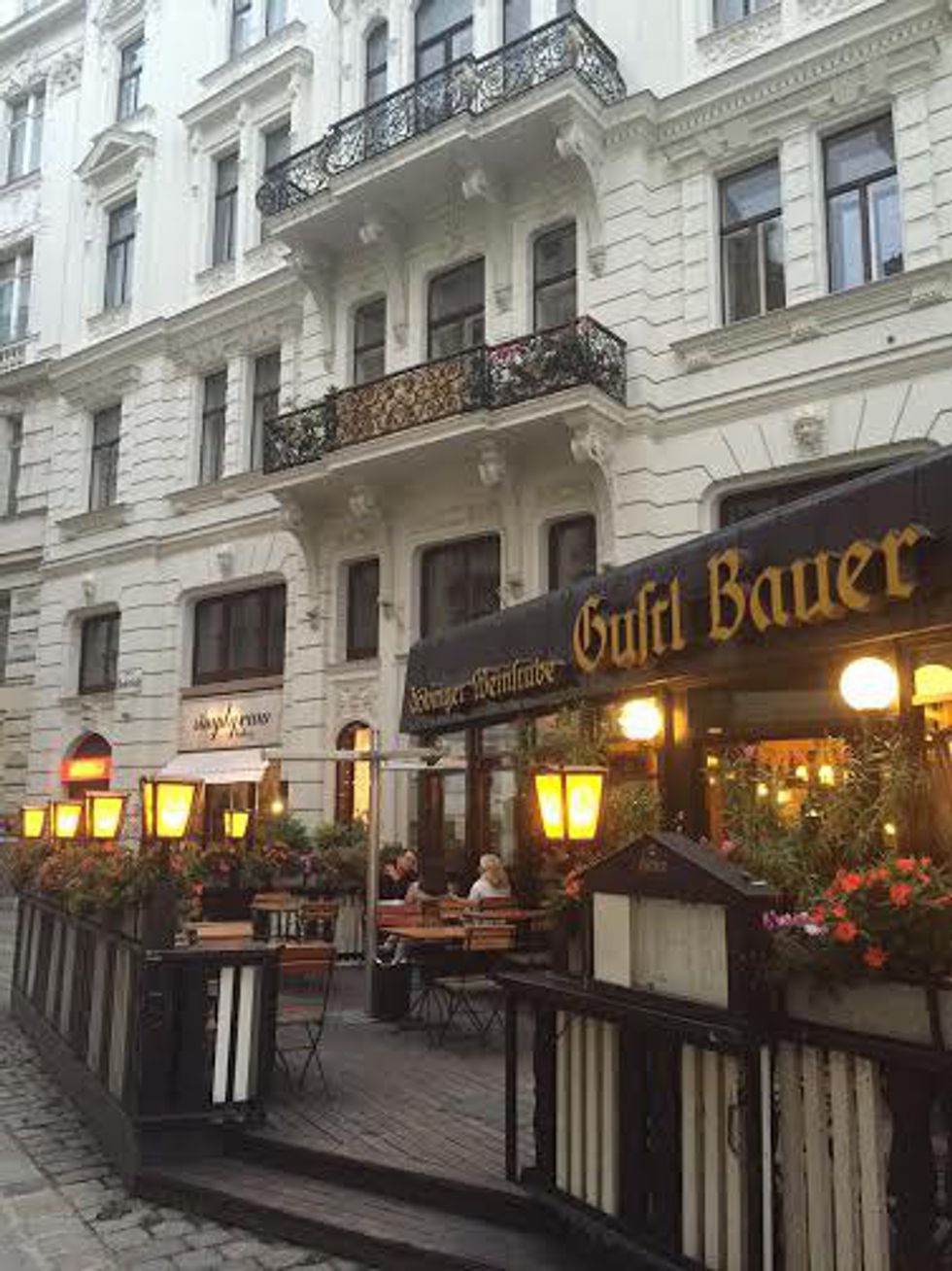
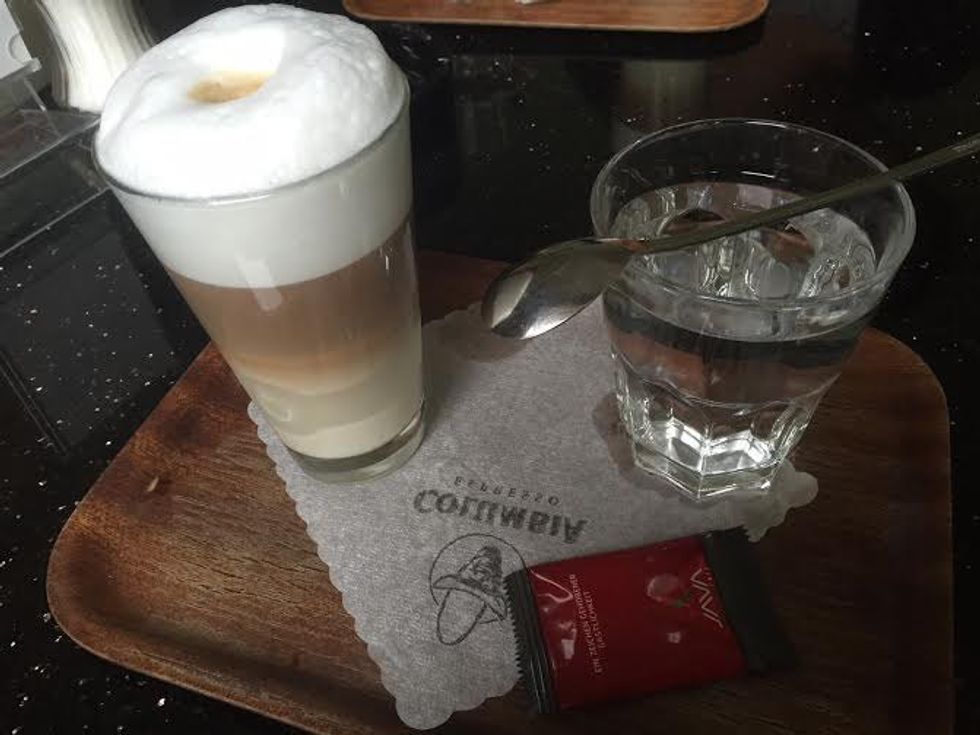
We saw this everywhere in Europe but it was especially prevalent in Wien: the waiting staff is in no rush to get you out the door after your meal. We took it the wrong way at first- we waited close to half an hour to get the check once after dinner and got pretty impatient- but we soon realized it was not out spite or poor service: the servers just did not want to rush us and it is pretty typical to hang out in restaurants for a couple hours in Wien after you have finished your meal. Essentially, in most places in Europe, the table is yours for the night!
On the cuisine
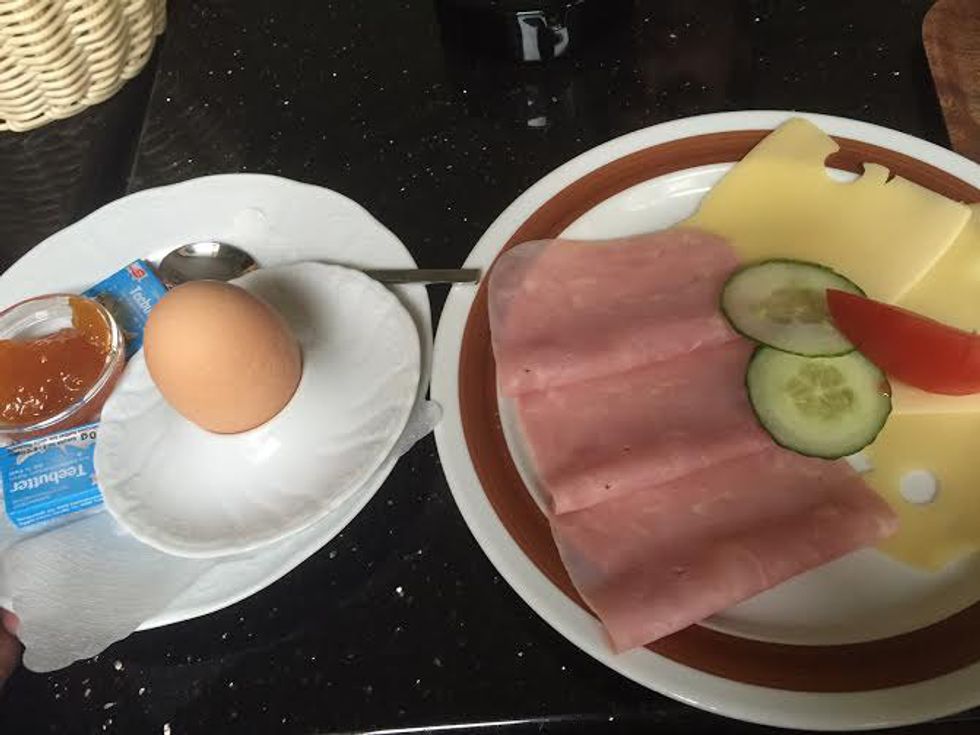
Viennese breakfast was lighter than other cities. We ordered the “large” breakfast at a café: a couple slices of ham, tomato, cucumbers, cheese, a hardboiled egg that took us embarrassingly long to peel, and a croissant with jam.
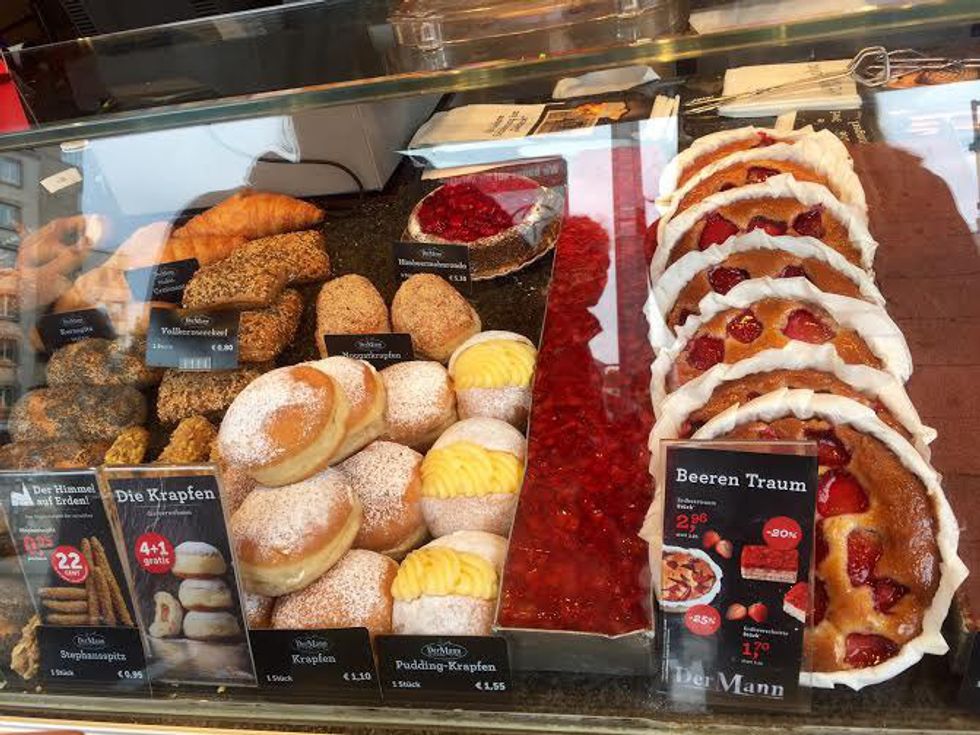
There were stands selling pastries and bread lining the streets. Tourists and people on their way to work were stopping to grab breakfast and coffee to go.
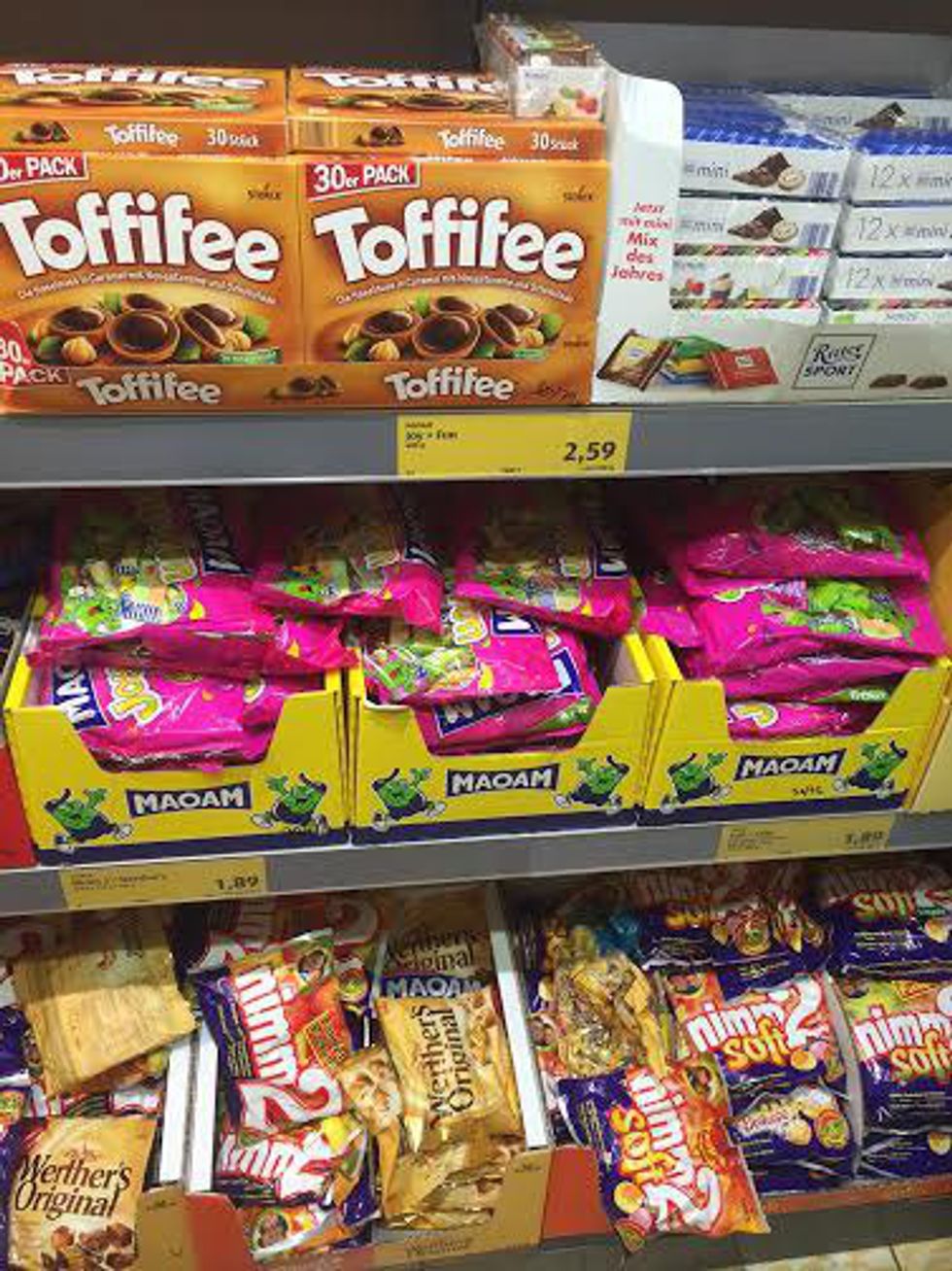
Because of the large international influence though, there was no typical “Viennese cuisine”- the bulk of the restaurants were either ritzy ones in the shopping districts that you would see in the US, or mom-and-pop owned cafes serving food from around the world.
On final thoughts
Wien was such a great city, rich with old sightseeing and contemporary art and culture. The whole city had this calm, crisp atmosphere to it- even in bustling crowds, there was something so relaxing about walking through the streets in the early morning rain. The city is still relatively affordable to visit, so even broke backpackers like us were able to find plenty to do there. It is a place everyone should see in their lifetime, and I hope to go back again one day.