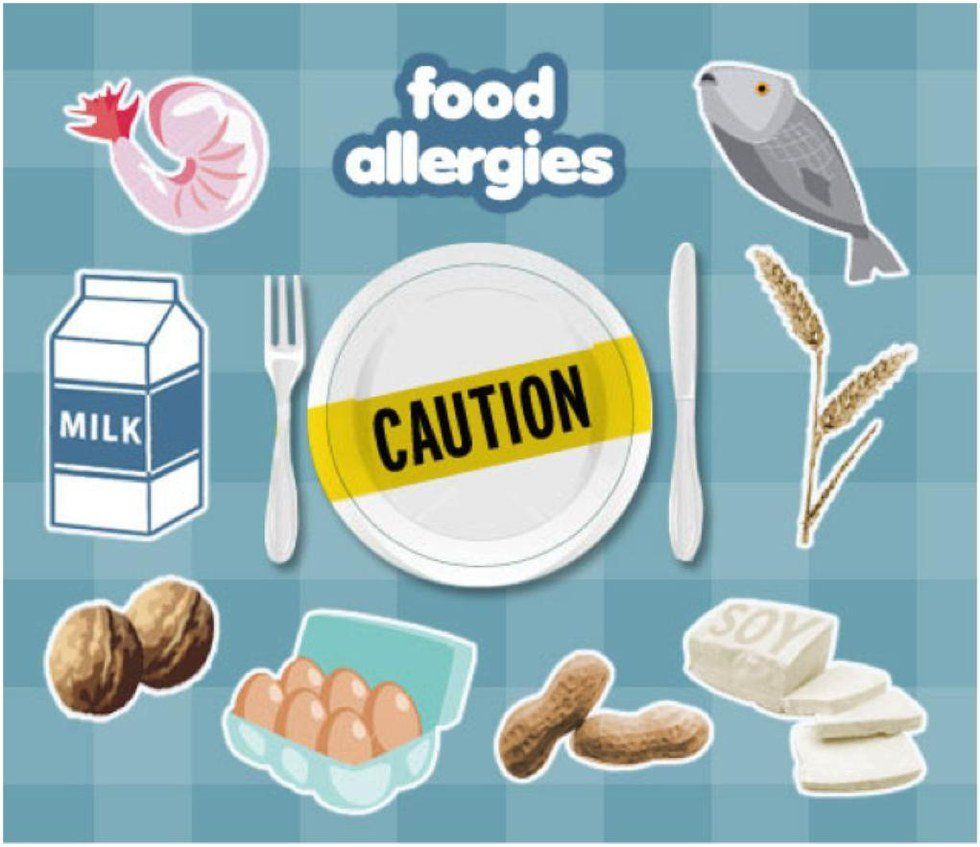
The number of people with food allergies has increased over the years. According to Food Allergy Research & Education (FARE), “Food allergies among children increased approximately 50 percent between 1997 and 2011.” FARE estimates that there are about 15 million people in the United States with food allergies. Unfortunately, there is no known way to cure or prevent food allergies. But when someone does have an allergic reaction, there is medication, although sometimes the severity of the reaction necessitates a trip to the hospital. FARE reports that there are over 200,000 emergency room visits every year due to food allergies. Food allergies can be difficult because something so typical and routine becomes potentially harmful, or even deadly. However, I’ve had food allergies my whole life, so I’m here to give you some advice about how to make living with food allergies easier.
1. Buy an allergy bracelet or necklace (or two).

Allergy jewelry (bracelets or necklaces) comes into play if you have an allergic reaction. It communicates to the emergency responders what the problem is, in case your reaction is so severe that you can’t tell them yourself. According to American Medical ID, “more than 95 percent of respondents look for a medical ID during emergencies.” The important part is the alert tag, which has the identifying information on it, such as your full name, all allergens (including any drug allergies) and emergency contact information. The jewelry should be worn almost all the time, especially in any situations where food is involved.
2. Avoid potential cross-contamination.

Cross contamination for food allergies occurs when a safe food comes in contact with an allergen. Ice cream shops, for example, tend to serve multiple flavors with the same spoon, such that remnants of other flavors are likely to stick onto the spoon. In that case, ask the person behind the counter to give the spoon a hot rinse before they scoop your ice cream. When you go out to eat, always tell the waiter/waitress that you have food allergies, and what they are, before you order. Often times, they’ll make a note of it so that the chefs know to take care to avoid cross-contamination. When preparing food at home, make sure to thoroughly and carefully clean all cookware. If necessary, designate some pots and pans to be for allergy-free cooking only.
3. Make it a habit to read the ingredient labels on all packaged food.
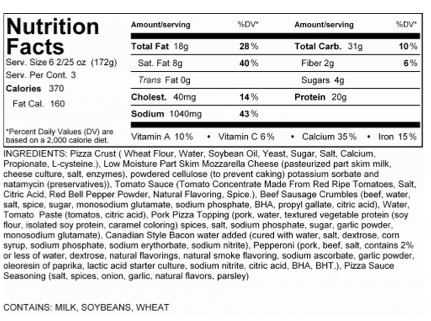
OK, maybe not all labels. If you only have an allergy to shellfish, it doesn’t make sense to check if a carton of milk is safe or not. However, for most foods, you should read the entire list of ingredients before you eat it. In addition, look to see if the label has phrases like “May contain...” or “This product is manufactured in the same facility that processes..." Depending on the severity of your allergy, you may want to avoid such foods, as well.
When going out to eat, don’t be afraid to ask if you can see the packaging yourself, for the food you ordered. That way, you can confirm for yourself that the food is safe to eat.
4. Don’t be afraid to eat out at restaurants.

First of all, definitely let your server know you have food allergies. Some restaurants actually have allergen menus, where each dish is listed, along with what allergens are in it, so your server might give that to you to look through. Many restaurants also have their menu available online, so you can look at that even before you go out, to get an idea of what they serve and to make sure that you can find something to eat. Regardless, you also could ask to speak to the chef, so that you can almost be guaranteed that your food will be safe. Also, don’t hesitate to confirm that your food is safe when it comes out -- better to be safe, than sorry.
Another tip for eating out at restaurants is to bring a chef card. This is a small card that you can give to the waiter or waitress when they take your order. It should have your allergens listed on it, as well as your name and an emergency contact number. You can even personalize it with images of the allergens on the card. It can either be laminated so that you can reuse the same cards, or you can just print them out for the restaurants to keep or discard when they’re done serving you.
5. Inform your family and friends about your food allergies.

Make sure that they realize that food allergies are serious. No, it’s not just a fad, and no, I can’t have “just one little bite.” Fortunately, there is a growing awareness regarding food allergies, so hopefully there aren’t many people who will think you’re not really allergic, or will say that, “One piece won’t hurt -- come on, try it!”
Make sure people clearly know that it’s a food allergy, not just a dislike for the food; the latter might give people the impression that they can give you the food anyways because “It won’t hurt you.” Furthermore, teach your friends and family how to administer the Epipen (medicinal epinephrine), so that in the event that you have a reaction and are unable to self-administer it, you have people who know how.
6. Create accounts on many food allergy websites.

You’ll receive newsletters with important and relevant information, such as a recall of a product, a discovery of an allergen in a product, and policy implementations in progress. FARE in particular also has webinars, where an expert speaks and answers questions about a particular aspect of food allergies, and summits, where people from all over the country get together to talk about living with food allergies and how to better deal with them. Essentially, having an account and getting emails will keep you up-to-date on what’s happening in the food allergy world.
7. Research allergen substitutions.

There are many ways that people with food allergies can enjoy the same foods, just slightly modified. Of course, the taste will be slightly different, but if you’ve never had the original with the allergen, you can’t taste the change! The Kids with Food Allergies website has many good ideas for substitutions for milk, wheat, soy, eggs, peanuts, and tree nuts. It doesn’t offer substitutions for fish or shellfish, however, because those tend to be independent dishes, not ingredients in others. As there are plenty of viable alternatives, don’t let your allergens stop you from having a certain food - you just have to get a little creative and find a way to work around your allergies.
8. Know the signs and symptoms of an allergic reaction.

There are many different levels of reactions, some more serious than others. They could range from minor watery eyes or an itchy mouth, to severe full body hives or anaphylaxis, where one’s throat closes up and renders him or her unable to breathe. Regardless of how severe your food allergies are, when eating, you want to be especially aware and alert to make sure you aren’t having an allergic reaction. This is especially true if you’re eating a new food. Then, if it seems like you’re having a reaction, speak up and seek help immediately.
9. Always (always, always) have your allergy medications with you.
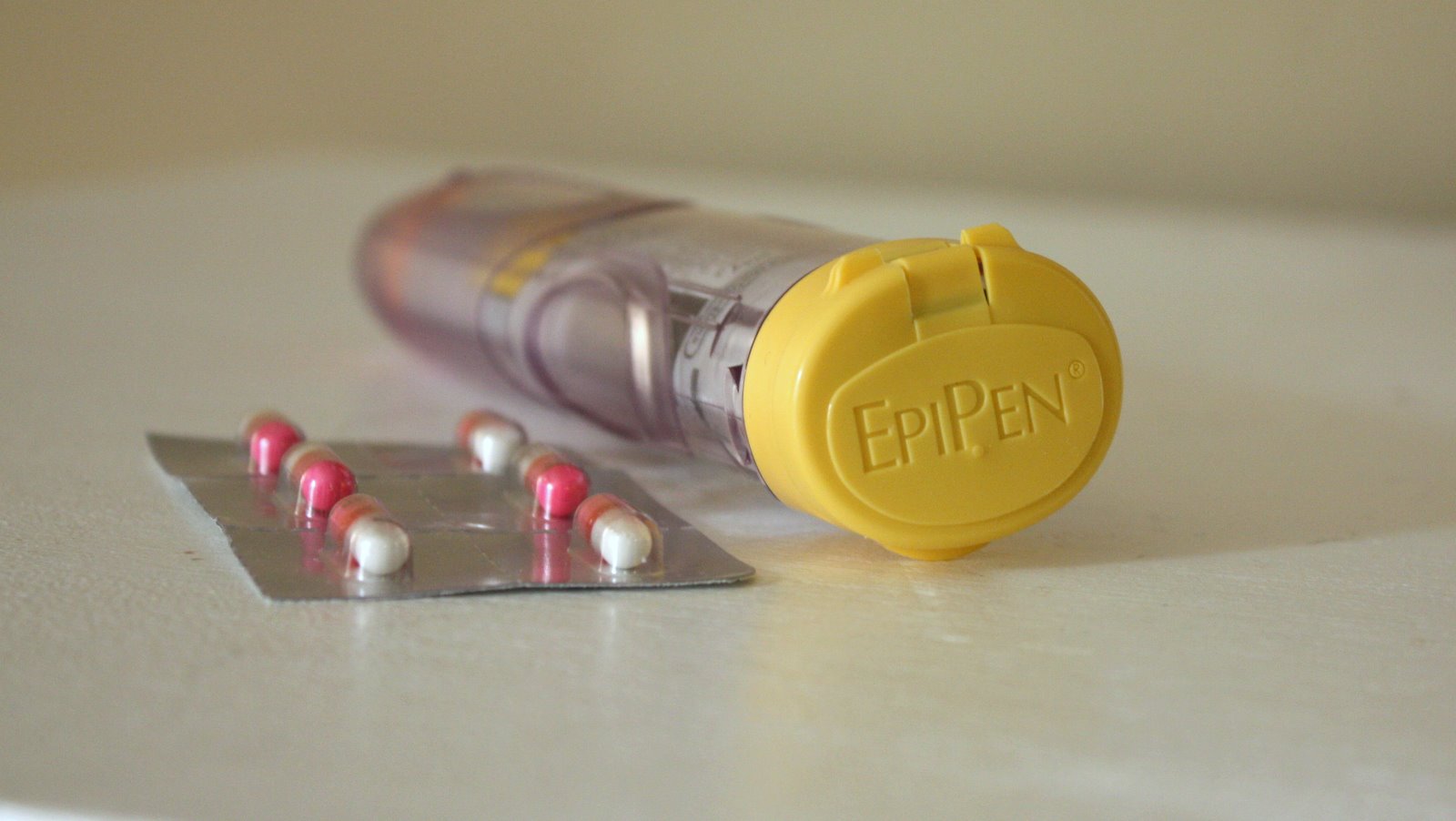
You also want to make sure that they are up-to-date. Have both your Benadryl (an antihistamine used for milder reactions) and your Epipen (used for more severe reactions) with you wherever there could be food. It’s always better to be prepared and not need your medications than to not have your medications and need them. You don’t want to be having an allergic reaction and not have your medicine with you, because the results could be deadly. I understand that the allergy medication can be bulky and annoying to carry around, but it (especially the Epipen) could save your life.
The transition to college marks a new and notable change in one’s life, with a whole new atmosphere, new people, and new experiences. Going into college, the same tips about telling your friends and carrying your medication ring true, but there are some additional college-specific tips to keep in mind.
10. Talk to your roommate.

Let your roommate know you have food allergies and teach him or her how to use an Epipen. Even if you don’t end up in the same friend group, they are your roommates and you will see them a lot, so it’s important they know how to administer medicine that could save your life, should you have a reaction in your dorm room. Also, depending on the sensitivity and severity of your food allergy, it might be safer not to have the allergen in the room. While that may seem unfair to them, remind them that they can have the food, just not in the room (besides, you can’t have the food at all). Since it’s for your personal safety, most likely they’ll understand.
11. Talk to the dining hall staff, especially the cook.

The dining hall is where college students get many, if not most, of their meals, especially as freshmen. So, since you’ll be eating there pretty frequently, talk to the chef and tell him/her what food allergies you have. While they might show you around the dining hall and point out what’s safe to eat, some colleges even have a designated allergen-safe area. The college that I currently attend has a specific area that is locked, and only people who have been given access to that room can enter. It’s for people with food restrictions to get special, allergen safe meals and even store allergy friendly foods. See if your dining hall has that and make use of it if you need to - it’s there for a reason.
12. Know where the medical center on campus is, as well as the nearest hospital.

Although this may seem overly cautious or extremely obvious, either way, it’s good information to have, should you need it. You want to be as prepared as possible, especially if you have severe food allergies, in case you have an allergic reaction and need to get to the medical center and/or hospital. Food allergies are serious and an allergic reaction is no joke, so you want to know where the emergency services are as soon as possible. As always, it’s better to be safe than sorry. With something as potentially life-threatening as food allergies, a little over preparedness can’t and won’t hurt.
These are just some suggestions. Talk to your allergist to find out the best ways for you to manage your own food allergy situation.
For more information, go to https://www.foodallergy.org/