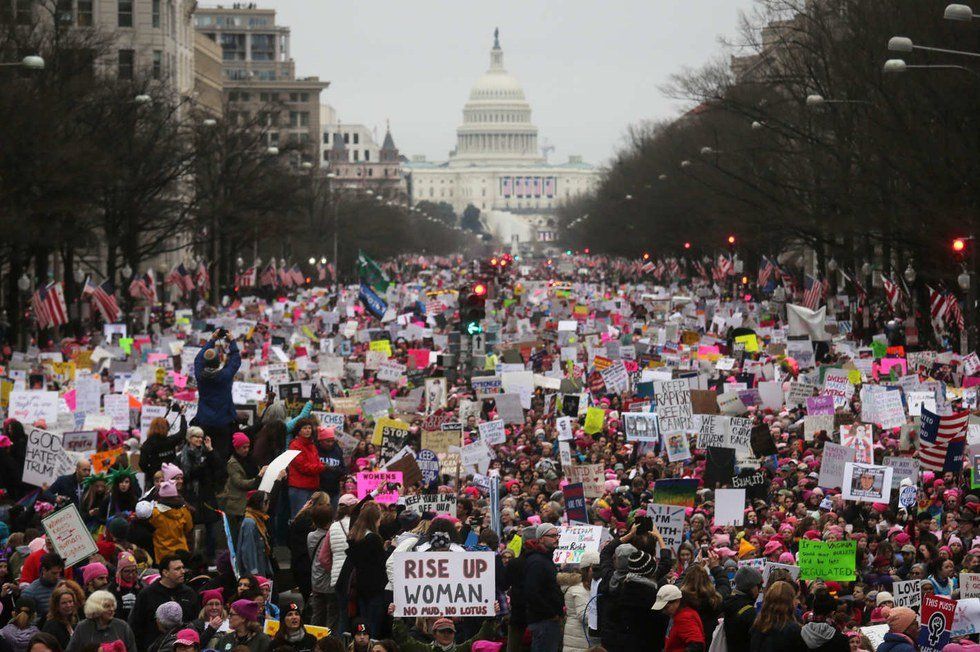
On Saturday, January 21st, 2017, women, men, and children marched across the country and the world to remind our administration what democracy looks like. In a world where citizens are often criticized for not participating politically, in a few short weeks, women organized the largest demonstration in our country's history. In a recent panel, Winnie Wong, creator of People for Bernie Sanders campaign reminded us, "You have to participate. You can't stop participating."
With that in mind, here are some feminists from the past, present, and future, that have amazing works, fiction and nonfiction, that you should consider reading in 2017.
1. Amy Tan and "The Joy Luck Club"
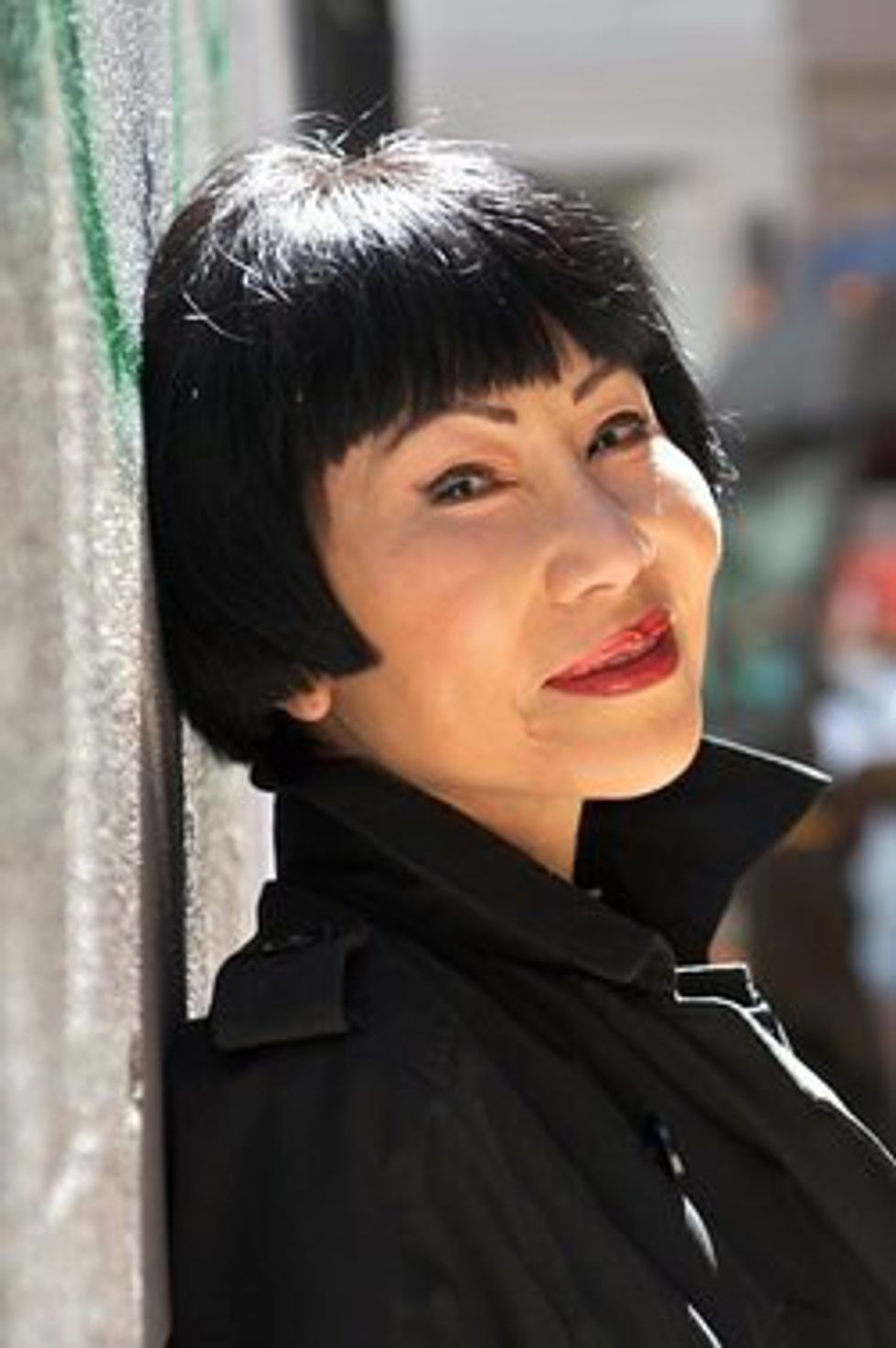
A first generation Chinese-American woman born in Oakland, California in 1952, Tan is a talented writer who's work has defined stereotypes, inspired empathy, and created conversation. Her book (and my recommendation) The Joy Luck Club has provoked criticism since its first release. It tells the story of four Chinese American immigrant families living in San Francisco. It's excellent.
2. Roxane Gay and "Bad Feminist"
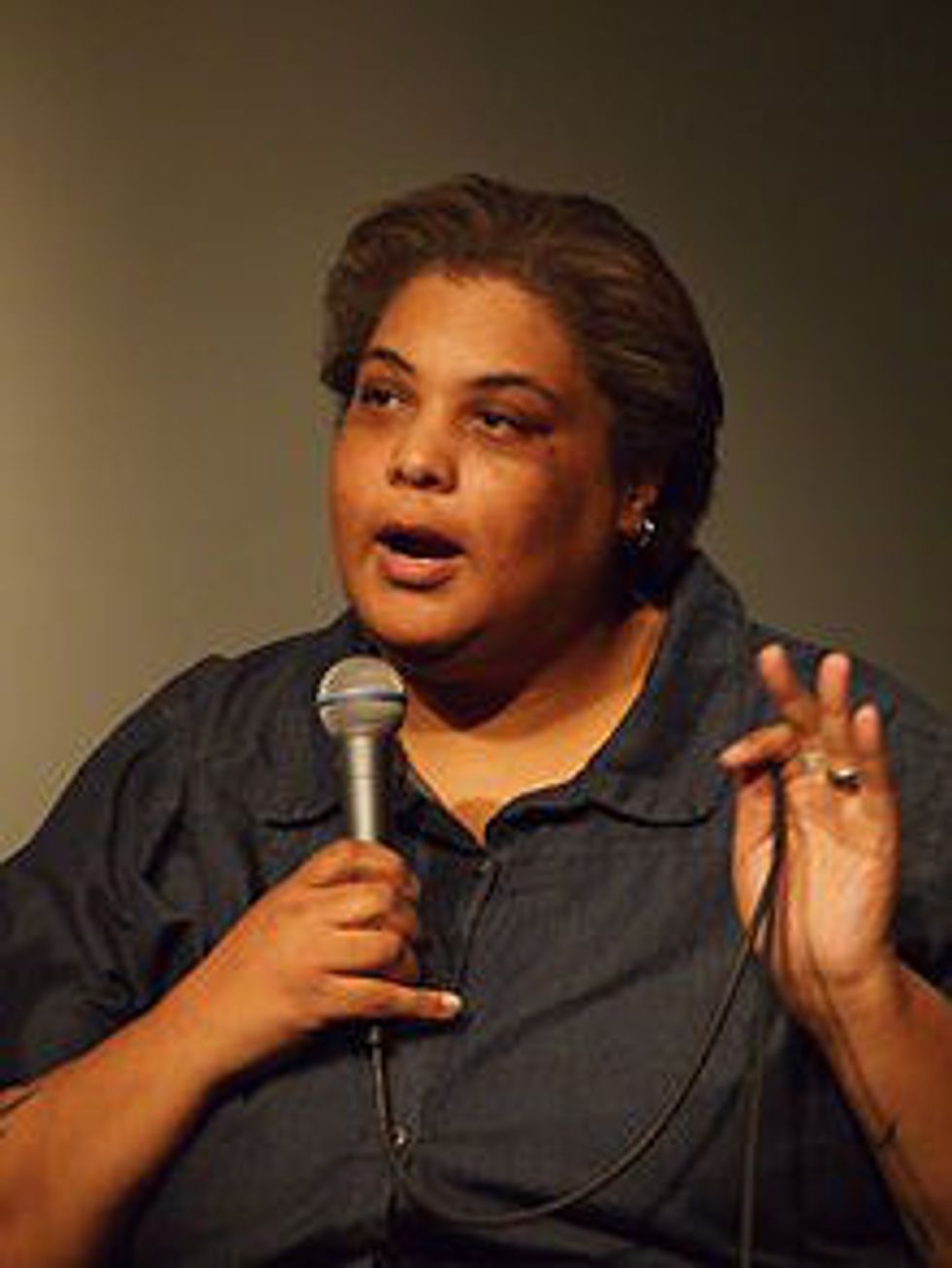
Roxane Gay is an American writer, professor, and editor. Her resume is killer-- a professor at Purdue, contributor for The New York Times, founder of Tiny Hardcore Press, co-editor and co-founder of PANK, non-profit a literary magazine and art collective, and writer of fiction and nonfiction. Her book Bad Feminist was published in 2014 and is a collection of essays that focuses especially on acknowledging your own privilege. Gay discussed the book in an interview, stating, "In each of these essays, I’m very much trying to show how feminism influences my life for better or worse. It just shows what it’s like to move through the world as a woman. It’s not even about feminism per se, it’s about humanity and empathy."
Also be sure to check out Hunger, which will be released this year and focuses on bodies and weight.
3. Mary Wollstonecraft and "A Vindication on The Rights of Women"
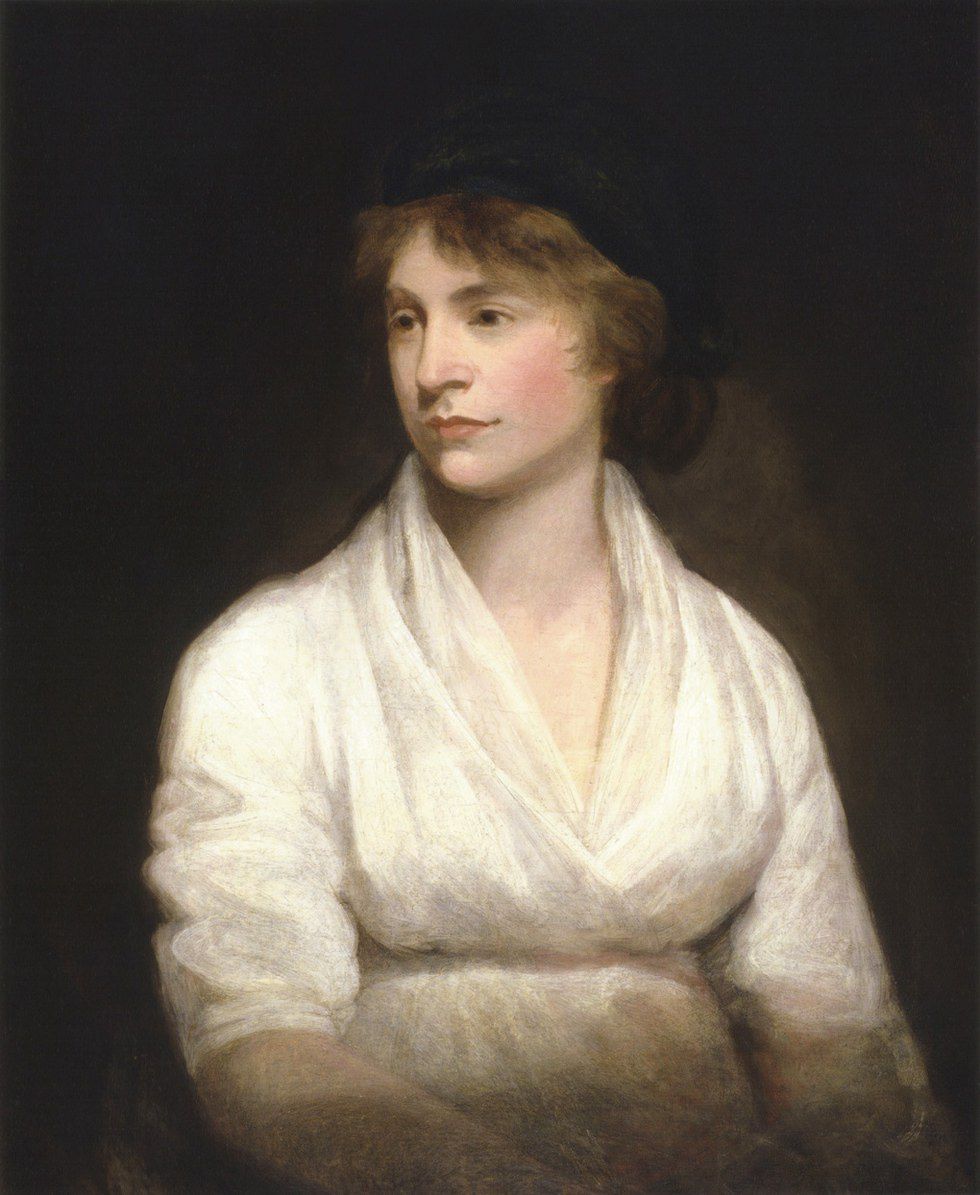
A bit of a throwback, this book was written in the 18th century and focuses on women's education and their role in society. She argues that women aren't naturally inferior to men (controversial!), they've just had their privileges stripped away whereas men haven't. It's nice to be reminded of how far we've come.
4. Audre Lord and "Sister Outsider"
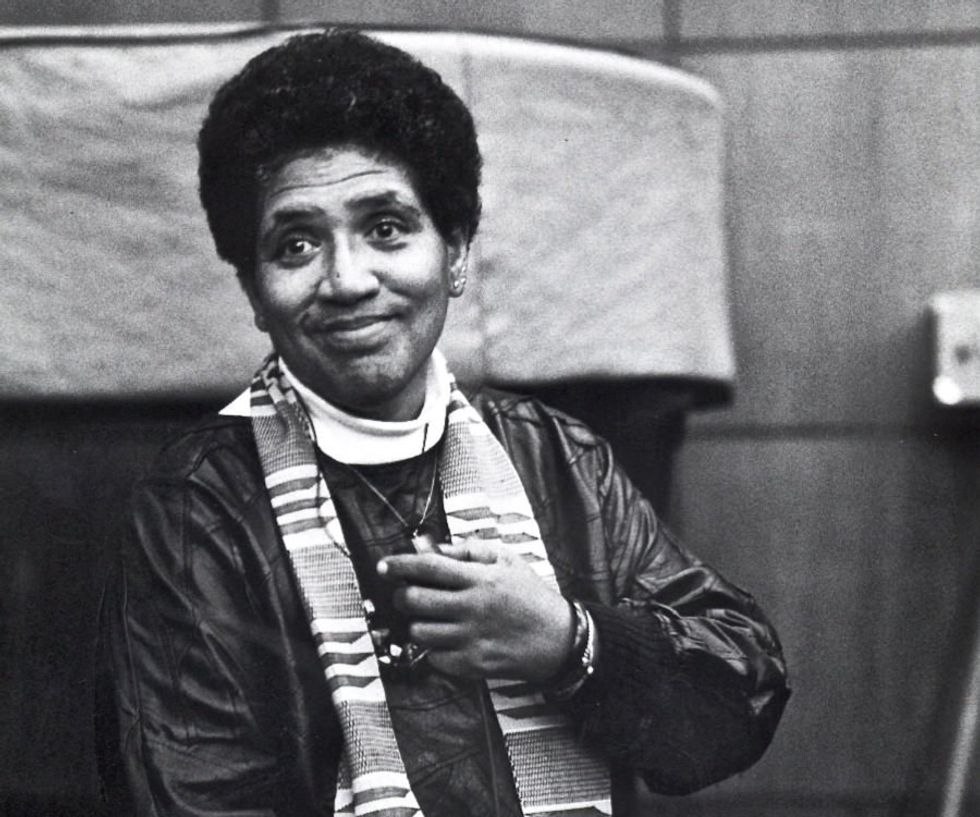
A poet, writer, feminists, civil rights and LGBT rights champion- if you haven't read Lorde, put her on your list. In her writing, Lorde walks the line between technical mastery and passionate outrage. Her book Sister Outsider is a collection of essays that explores intersectional identity, sexism, racism, homophobia, and ageism.
5. Peggy Orenstein and "Cinderella Ate My Daughter"
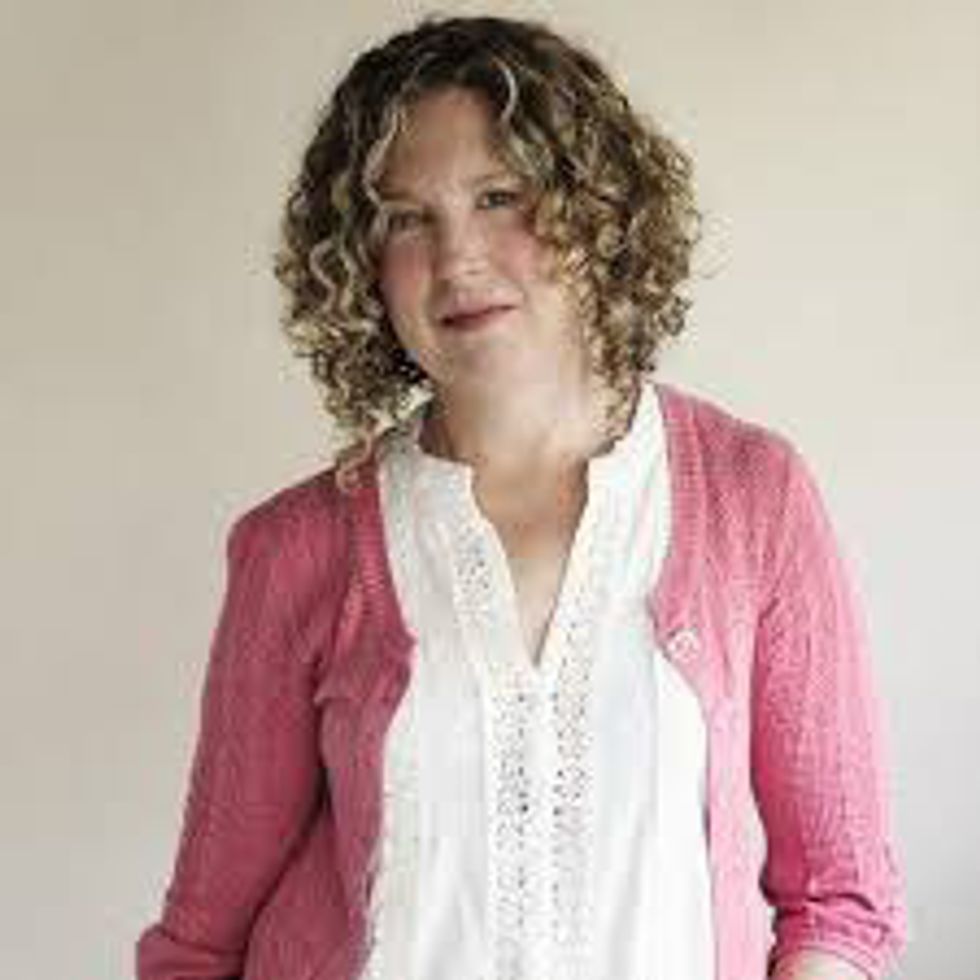
An American feminist author, Peggy Orenstein has been an outspoken voice for feminism in the 21st century. Published in 2011, Orenstein discusses the mixed messages about sexuality and feminity that girls are given today. You'll close the book wondering just how much Disney messed with your childhood.
6. Rebecca Solnit and "Men Explain Things To Me"
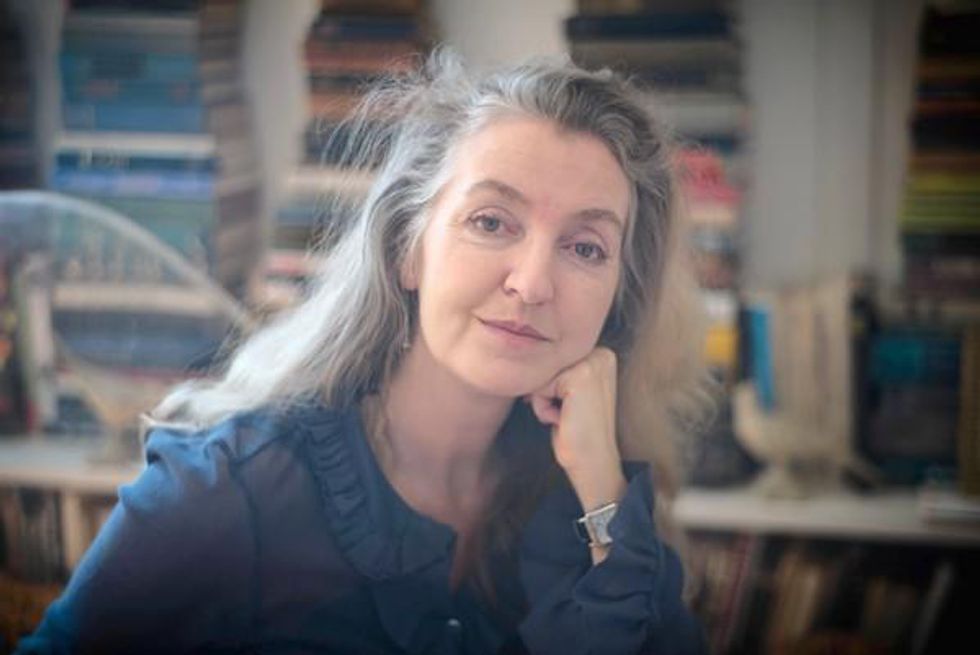
Rebecca Solnit is an American writer who's book helped to start the conversation on 'mansplaining.' Enough said.
7. Toni Morrison and anything she's ever written
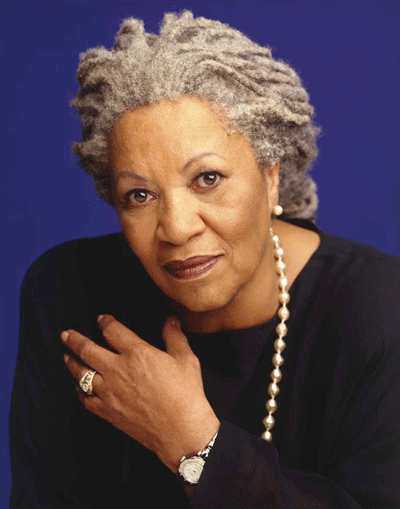
I could read this woman's grocery lists. A novelist, feminist, editor and professor, Morrison's list of notable awards is almost as long as her resume. Two of my favorites are Beloved and The Bluest Eye.
8. Charlotte Perkins Gilman and "The Yellow Wallpaper"
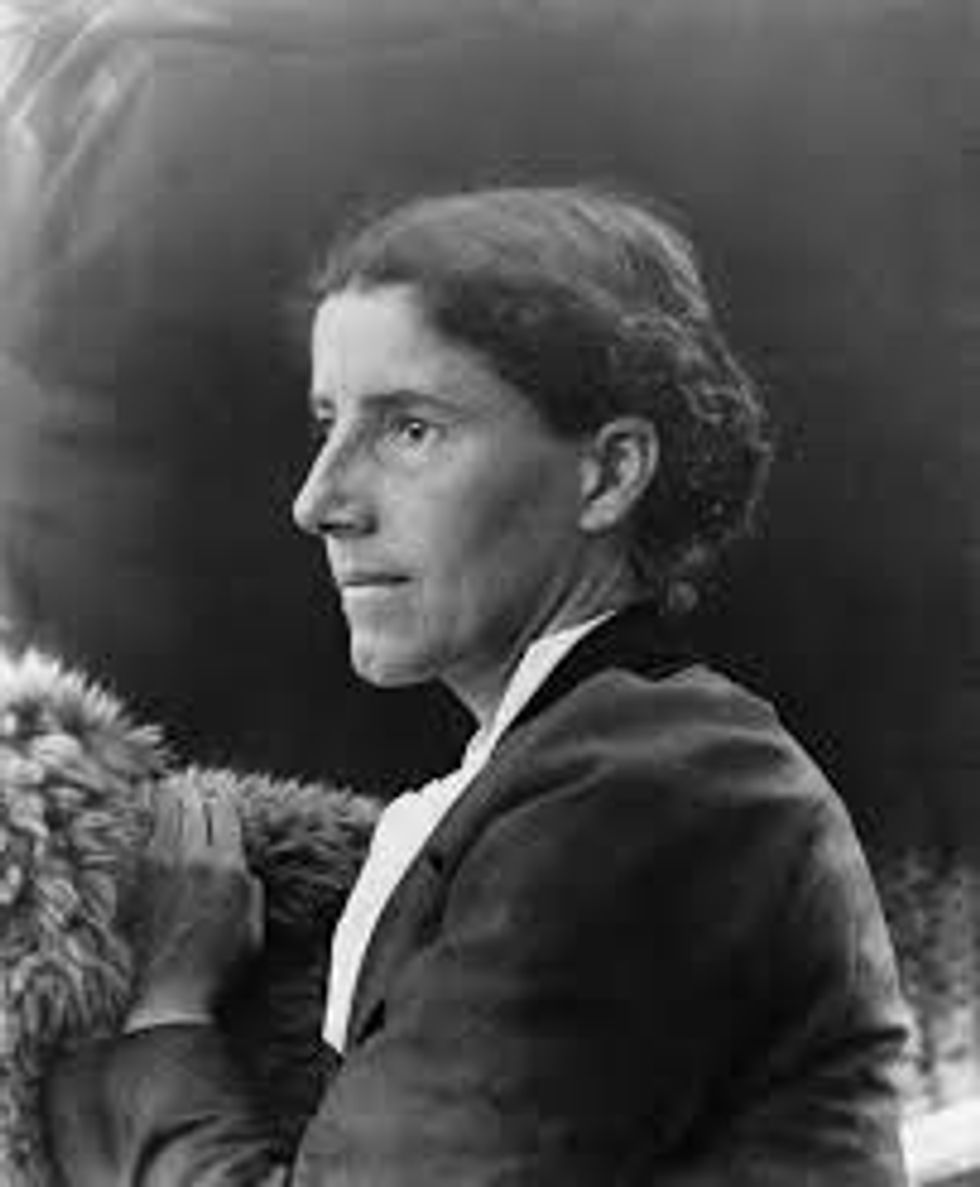
Gilman was a writer, sociologist, feminist, and champion for social reform. Her short story explores the effects of the patriarchy as her main character is diagnosed with a "slight hysterical tendency."
9. Octavia Butler and "Kindred"
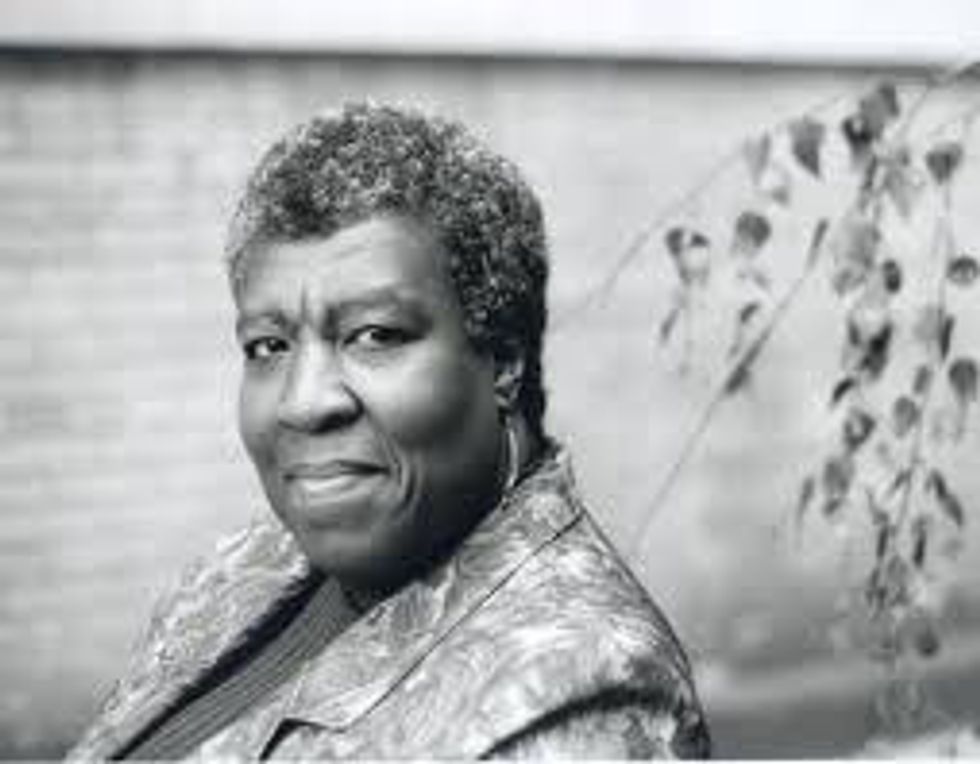
A feminist author and recipient of the Genius Grant, Butler is one of the best-known women in the science fiction field. Kindred is a neo-slave narrative that uses a science fiction framework to explore antebellum life in the South.
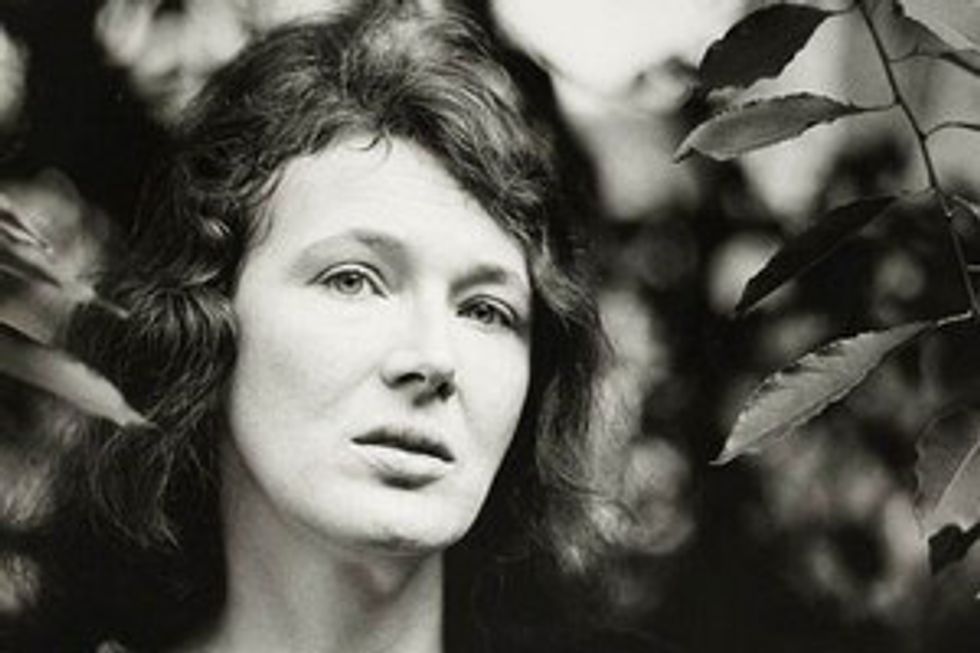
10. Angela Carter and "The Bloody Chamber"
 f
f
If you created a Venn diagram of feminism and magical realism, Carter would fall flat in the middle. The Bloody Chamber explores the roots of fairy tales, where women are the villains as often as they are the heroes.
11. Maya Angelou and again, anything.
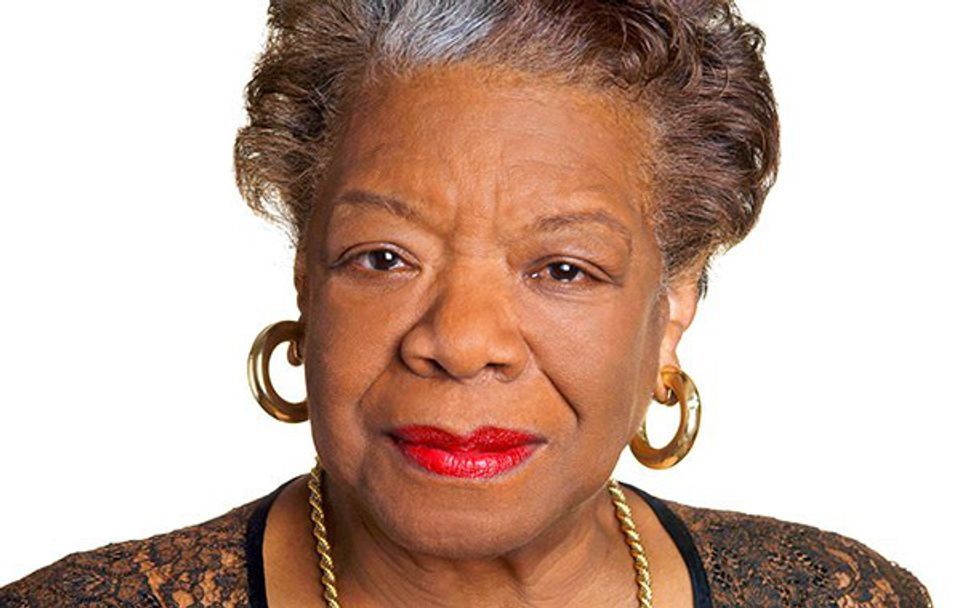
Angelou is a poet, feminist, memoirist, and civil rights activist. I'd tell you more about her, but her memoirs speak for themselves. She has an incredible way with words- pick up anything with her name on it and you won't be disappointed.
While I tried to make this list as inclusive as possible, it's limited to what I've gotten to so far. Comment with your favorite feminist writers or works so that we can all keep participating. Finally, thank you to everyone who marched this week-- I couldn't be prouder to be a woman standing with you.