

Entering college is one of the most significant milestones for most people who decide to pursue education after high school. Those four years as an undergrad are when life-long friendships are made, career planning is put into motion, and students discover their passions. There are instances when undergrads are not certain what lies ahead after graduating, but the major that they stuck with through undergrad is usually going to influence their path in some way, shape, or form. Choosing to be an English major, was one of the best decisions I ever made. Being an English major has been a rewarding experience, and I cannot imagine studying anything else. English is my passion and it is what I want to continue pursuing after graduating. Before then though, here are some characteristics all English majors share to some degree.
1. We all love reading

Granted, there are the exceptions. Some English majors do not have a craving for reading, but the majority do. This is why we are able to take multiple to English classes at once during a single semester. My junior year, second semester, I took on six English classes at once, and it was challenging. The outcome was successful, but that was a lot of reading and writing papers. During the week before exams when all term papers were due, I had a very tight schedule. I was glued to my laptop and Microsoft Word, writing paper after paper. I passed every class though, so it can be done, but it's not recommended. Without the love of reading, I probably wouldn't have been able to complete all six classes successfully.
2. We can quote Shakespeare in any given situation

Doesn't matter whether we're in or out of class, we always quote the things we've read. There are always situations that call for quotes. For instance, my partner bought me a bow with blood splatters on it. It is referred to as my "Lady Macbeth Bow." Another encounter that I can relate is when my roommate and I clean the kitchen. When we hand-wash the dishes, the person washing will always yell, "Out damned spot! Out, I say!" It is amusing to be an English major. After reading Hamlet for class, which is amazing, my roommate asked me a couple days later what I was reading. I replied, "Words, words, words." It's a great feeling to be able to be nerdy about being an English major. Quoting literature just becomes second nature to us.
3. We can provide a crash-course MLA format session in under five minutes for non-English majors
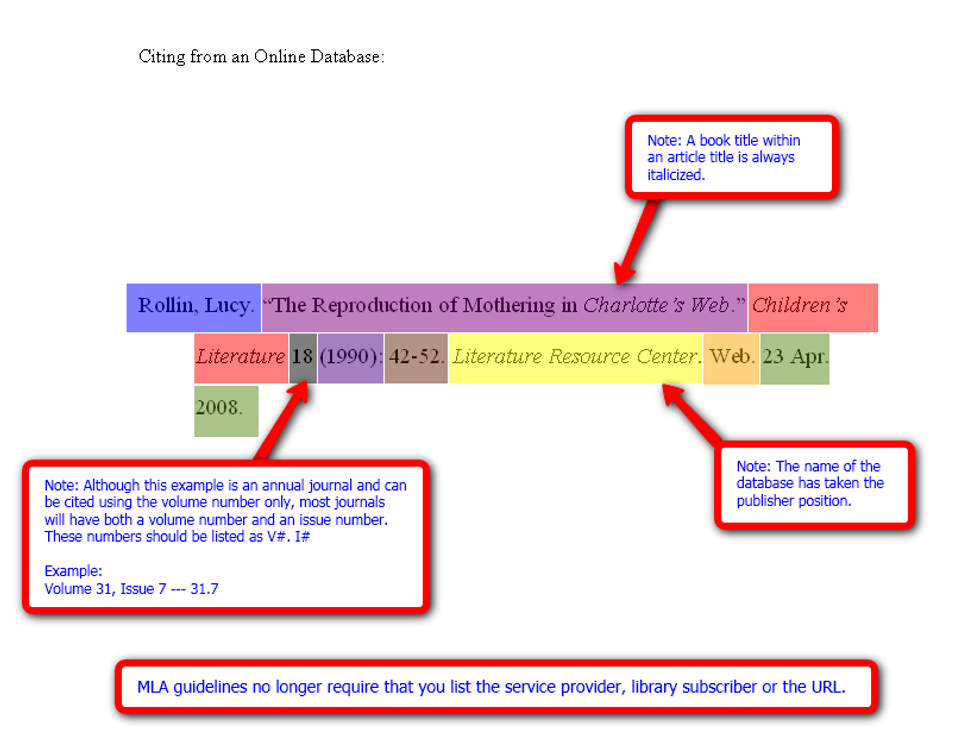
When people come into the Writing Center, I always have people telling me that they don't understand MLA formatting for papers. I can list off, in order, the requirements for parenthetical and regular citations. It has become embedded in my brain after writing so many papers for English courses. Most English majors can do this because this is the format we are required to write in. Some of us are also familiar with other citation formats, such as APA, but some of us are not. It just depends on the person, but when it comes to MLA, we ALL know it.
4. We can spot comma splices like crazy
Grammar is our specialty. It's like second nature to us, just like knowing MLA format. We are accustomed to knowing what professors expect from us concerning papers. We know which professors are grammar Nazis and which are more content-oriented. We can easily give advice to students who aren't sure what professors expect in literature courses. It's what we do.
5. Writing papers is cake for us (we are the masters of BS)

This is kind of self-explanatory. We can write papers in a night because we are trained in interpreting literature and secondary sources. We don't recommend procrastinating on papers, but most college students do. The way we interpret literature is where the BS comes from. We can always find things to elaborate on, even if it doesn't seem to fit into the paper. We find ways to include it and make it work.
6. We can interpret literature like nobody's business
It's part of what we do. Every English class is centered around this concept, which is why we are able to perfect the skill. We are expected to look into the depths of the literature that we are reading and see the hidden meanings that lie within.
7. We all want t-shirts to show how proud we are of being English majors

All the other majors get cool shirts. We deserve some. We're proud to be English majors!
8. Sex is a common topic for us (just consult Shakespeare)

Shakespeare is not the only playwright/poet that incorporates sex into his works. Sex is everywhere in literature, even in literature you wouldn't expect to find it. A lot of high school English classes cover bits and pieces of Chaucer's The Canterbury Tales. Those works are all about sex. Same with Shakespeare. Most high school classes cover Romeo and Juliet. This play has an 18-year-old young man pursuing a young girl, who is somewhere between 12 to 14 years old. They have sexual relations in this play as well. In my Religious Thought in Lit class, which I'm currently taking, there's sexual references in the text we are covering, which is Walker Percy's Love in the Ruins. Granted this is Walker Percy, so it's kind of expected to read about sex, but a lot of non-majors find it surprising to discuss sex in these types of classes. For us English majors, we are accustomed to hearing about it, so we aren't prudish about the topic. We often make jokes and puns concerning the topic to make class more fun and engaging instead of silent and awkward.
9. Death is also a common topic for us (we could plot a murder and get away with it. Again, consult Shakespeare)

A common theme in literature is death. English majors constantly address the demise of characters, both beloved and hated, and the motives of villains that are responsible for those deaths. Shakespeare is notorious for killing off beloved characters. My roommate started referring to Macbeth as "Macdeath" because everyone dies in this play (sorry, not sorry for spoilers if you haven't read Macbeth, and shame on you if you haven't. Go do it).
10. We always have a book with us, whether it's for class or for pleasure reading

This is one of the quirks that we have. We could be going on a date and still carry a book with us just in case there's an opportunity to read. Now, there is a difference in class reading and pleasure reading. Class reading usually entails writing and making notes in the margins of the text to reference for class. A lot of underlining happens to the pages in required class texts. While reading Till We Have Faces by: C.S. Lewis for Religious Thought in Lit, I made many notes and rant comments in the margins of my copy because the text was riveting and interesting. Plus, some of the characters pissed me off and I needed to voice my opinions, so I wrote them in the margins. A professor read through my copy and laughed at my reactions to the text, reading some of my comments aloud, which was interesting. I cussed a lot about that text. It was an excellent novel, and I recommend it to anyone who is interested in mythology. Now, pleasure reading involves more focus and unlimited amounts of time devoted to finishing a book. I can go on reading for hours before taking a break when I read for my own amusement. It's something that just comes naturally to those who read frequently. It usually turns into an addiction over time.
11. We have crazy, awesome professors

Our professors are the people who truly understand us and our passion for literature and the English language. We have a particular brand of crazy, and our professors are the people that help us develop it. I admire and respect the professors in the English Department. They are the superheroes (some more villainous than others) to us English majors: the Justice League of Grammar, if you will. They are wonderful people, inspiring us to continue pursuing literature. They all have different advice to offer, which is extremely helpful to those of us who are about to graduate. There is one professor, especially, who has helped guide and challenge me to push myself in the past year and a half. He has been an awesome mentor, supporting me in all that I do. Having someone there that believes wholeheartedly in you is the best feeling that one can experience. I am grateful to have had this, not only in my closest mentor, but in multiple professors in the English Department. They are a group to aspire to.