

Little siblings make the best excuse for going to animated movies. But after my last trip to the theater, I started to wonder who Disney is targeting these days: adults or children?
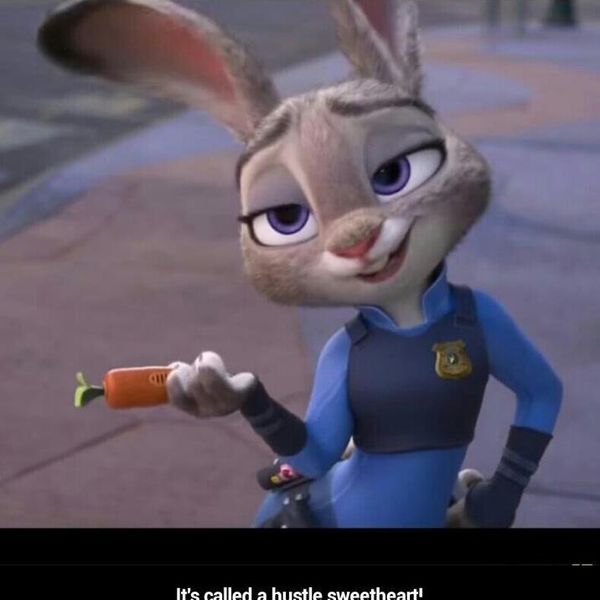
For the latest kids’ movie, I had the excuse of a little sister that wanted to go see "Zootopia." It is the story of a young bunny who dreams of being a police officer one day, a feat never before accomplished by her kind.
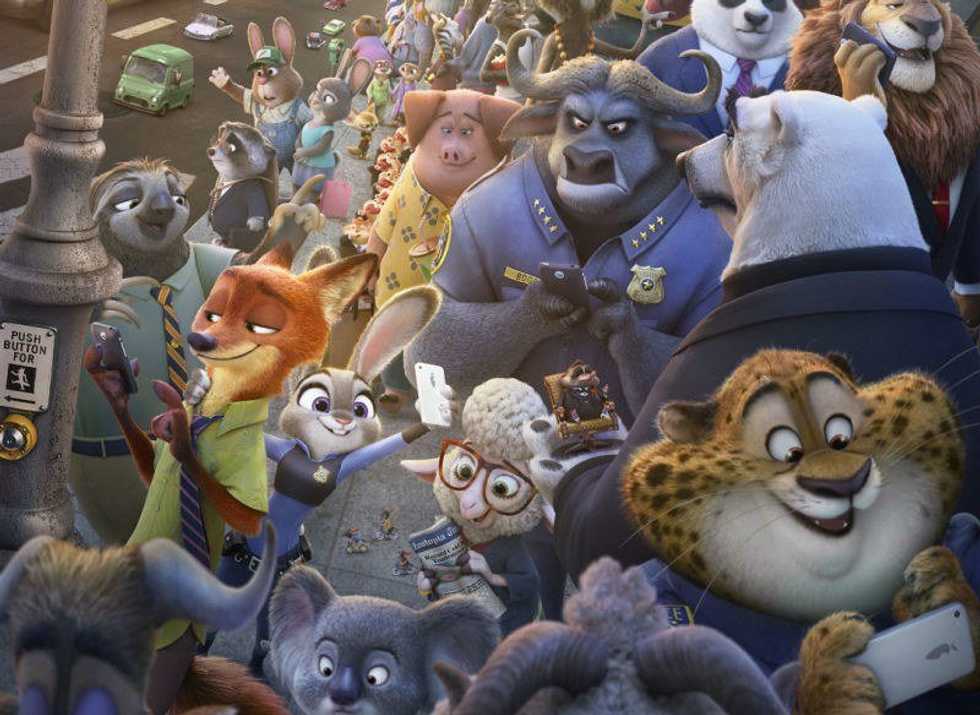
"Zootopia" depicts a world of animals who live together peaceably, walking, talking, wearing clothes, using cellphones and driving cars. But this beautifully enthralling film is much more than a happy-go-lucky tale.
I expected to enjoy a comical hour and a half movie of laughing 'till my stomach hurt. Instead, I sat through one of the most timely and intriguing animations ever that addressed issues of discrimination and stereotypes all through a world of animals.
By using the concept of predator vs. prey, the screenwriters of "Zootopia" reproduced humanity and social issues that are happening in our society even now.
I found this fascinating because though all kids’ movies have a lesson tied into the cute and comical, "Zootopia" explores current social problems that appear on the front page of The New York Times.
In one scene the protagonist observes one of her kind, an animal of prey, who responds defensively to a predator on a bus by clutching her purse and scooting her child over on the bench.
It caused me to ask myself how many times I, a black woman, respond defensively to someone of a different gender, race, or ethnicity simply because of what the news portrays? Though I related to this scene, I wondered if my sister did. Driving home I asked her what she thought. “It reminded me of how black and white people don’t like each other,” was her response. She recounted that same scene that had caught my attention.
What "Zootopia" seeks to do is show its audience that stereotyping people is a reality and a result of our upbringing, but it also reveals the downside of reducing others to stereotypes.
In another scene one character responds to the media that deems all predators a threat, “It is irresponsible to label all predators as savages." Right away my mind went to Islamic terrorists and the current issue of immigration. The fear of letting too many Arabs into the country has sky-rocketed in the last year.
This creative world of Zootopia shows that media greatly influences our perception of each other. In America we begin to categorize people when we eat up whatever the media feeds us. In the media, Muslims are all terrorists, Black men are all criminals, and White police officers will shoot the first suspiciously looking Black man.
These types of news articles strike fear into us and cause us to respond negatively to certain people groups, and profile people based on race or religion.
Racial profiling is partially the result of the fear instilled in us by media. An article by Walid Jawad, a former Senior Policy Analyst at the U.S. Department of State, addresses discrimination against Arab-Americans. “Racial profiling is a structural problem that is sanctioned by the legal system.” Jawad says Arabs with less Anglican sounding names endure problems of profiling more than others. Airports especially are places where Arabs are targeted simply by their birth names.
Contrary to popular belief, there are Muslims out there who are not radical Islamists. They are moderate Muslims who denounce terrorism. In an article by Mary Kate Cary addressing the question of why the press portrays Islam in such a frightening light says, “Apparently covering terrorist attacks drives more ratings than reporting on press conferences afterward.” Researching an article in the news may shed more truth on an event than adhering to what’s said in the tabloids.
Ask yourself, "Am I going to accept what the news tells me or am I willing to dig deeper and discover what is really going on in the world?"
While some critics say "Zootopia" has inaccurately portrayed racism, such as Nico Lang in his article for the Consequences of Sound. Lang says Disney has never portrayed racism correctly for racism is more than a prejudice against someone because of his or her skin color; racism is prejudice plus power. “There’s a very big difference between systemic racism and simply holding bigoted views.”
I would challenge this accusation in saying progression takes time and we are moving forward with teaching the next generation something of value other than that dreams really do come true. Yes, racism is more than just hating someone because of skin color, however the process of educating children on how to change a racist society must happen one step at a time.















