


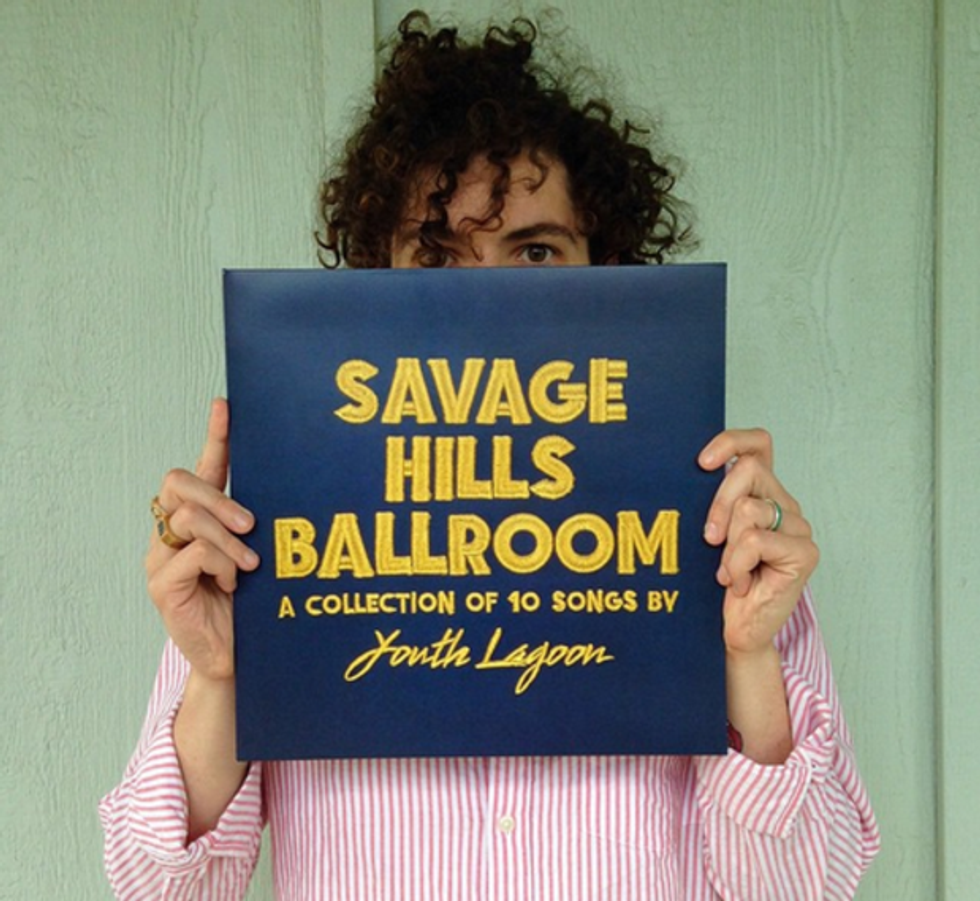
Youth Lagoon, a.k.a. Trevor Powers, has proven to be an iconic and versatile artist with the release of his most recent album "Savage Hills Ballroom." I have already addressed his first album "Year of Hibernation," but this one also deserves some discussing. I was enthused about this collection of songs before it came out, and hoped that it would be everything and more. And boy was it more, and completely different.
Finally, we can hear his voice! Not going to lie, I was surprised by it. Is this the Youth Lagoon I know and love? Who is this nasally creature? For the first time ever, Powers' voice rings clear throughout all of his songs, but it's definitely most exemplified in the very beginning of "The Knower" and as he croons a startling high-pitched "Ohhhhhhhh." No longer is he echoey and muffled sitting in his bedroom alone, or murmuring in trippy tones like he did in "Wondrous Bughouse." His voice is shining through clear as day, shakily telling his own story and the world's.
Contrary to his first album, this one is not purely self-reflective. Youth Lagoon shifts his focus outward in a few songs like "Again" and "Rotten Human" and address the different facets that are plaguing society. He speaks on consumerism with "Through aisles of cans you walk/ 'Cause you'd rather spend than grow a crop," and calls us "television drones." Yet he also participates in this system, claiming that he too is a rotten human. For the first time, we are seeing his opinions of the world around him instead of simply seeing his ostracism and differentness from it. He has grown and changed, and is fed up with our dependence upon consuming and lack of agency in daily life. Even in "The Knower" he sings "Everybody wants to think that they're good at heart, when they're full of hate.” He's upset with the fact that many people nowadays are just no longer good-hearted. Everyone is selfish and narcissistic and he, nor anybody else, knows how to fix it.
Yet we do see a bit of his usual own heartbreak as the song "Kerry" discusses the experiences of his outlawed and drug-addicted uncle. This song is probably most similar to his first album, as the build really nips you right in the heart. This devastating feel resonates with songs like "July" from the first album, yet he stays true stylistically to "Savage Hills Ballroom," as his warbly and clear voice rings out and he addresses personal issues in a darker way.
While listening one immediately notices that the album changes rather abruptly as you go on. First you'll be listening to the intense electric keyboarding slamming of "No One Can Tell" and instantly transferred to the floaty, light-fingered piano playing of the purely instrumental "Doll's Estate." The versatility of each track takes the audience on a seemingly confusing yet tranquil journey through the inner caverns of his mind in a completely different way. His continuing change of tempo, beat, and instruments make the album intriguing but also difficult to establish a common sentiment.
The album seems to strip itself down, as he says exactly what he wants to say in a variety of different, sometimes combative ways. This is exemplified in his minimalist album artwork. In his previous covers, each one reflects the sentiment of the entirety of the album.
"The Year of Hibernation": Floaty, magical, hushed, special.
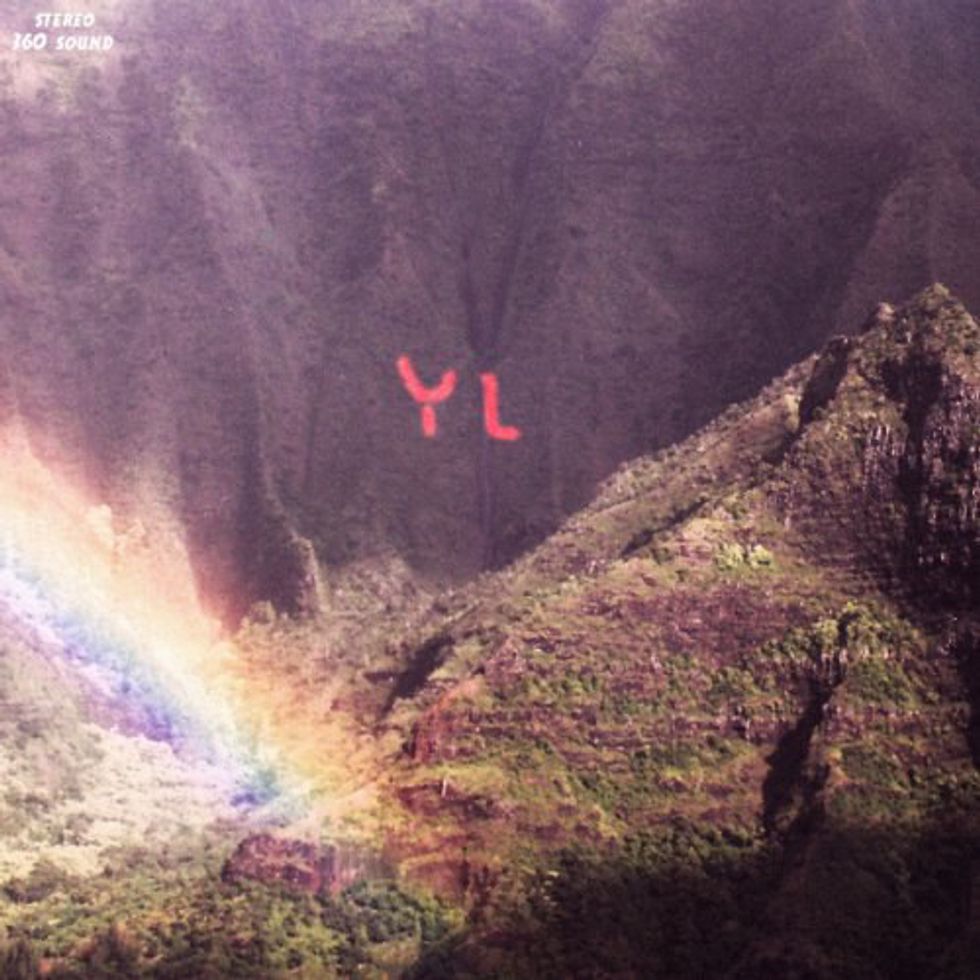
A self-reflective, personal yet distant album chock full of ambient reverbs and powerfully emotive build-ups.
"Wondrous Bughouse": Psychedelic, kaleidoscopic, loud.

Meanwhile "Wondrous Bughouse" was a bit more tangy, spacious, "other-worldy" and meant to be played very loudly.
"Savage Hills Ballroom": Simple, complex, open to interpretation.
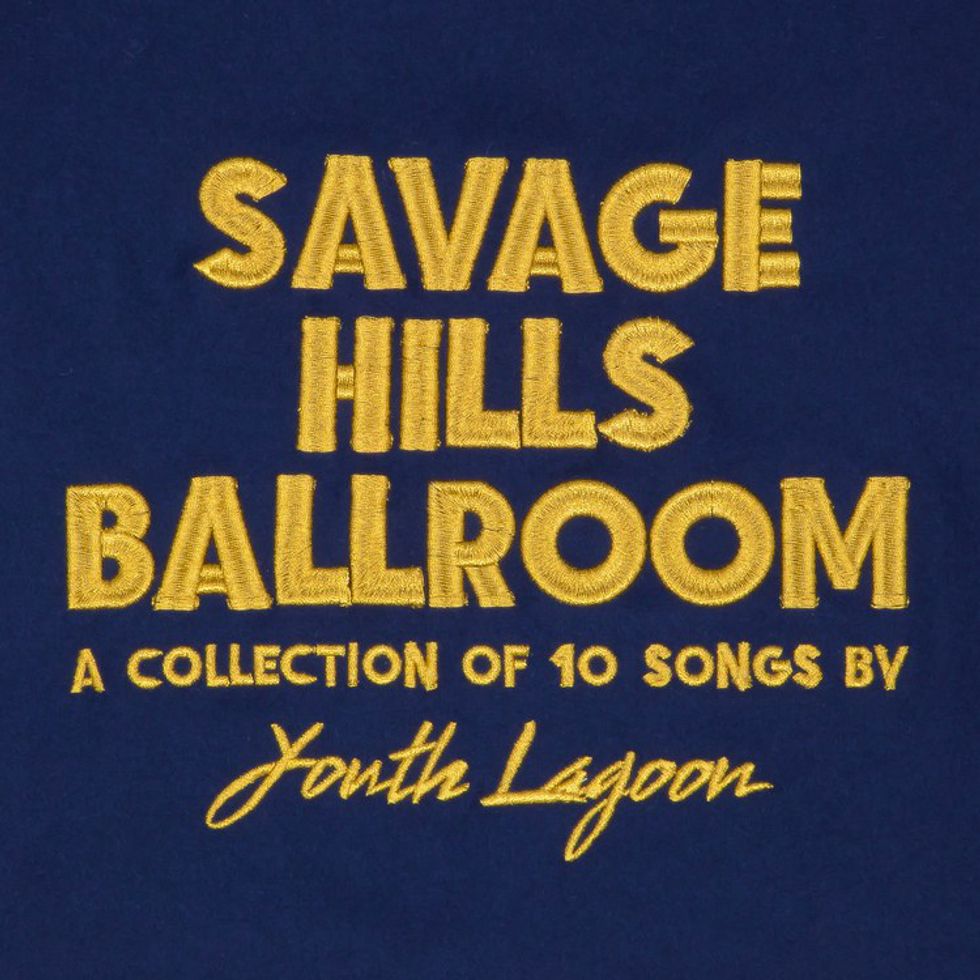
Finally, this most recent album was stripped of the excess and got straight to the point. It was combative, emotive, intense, but emblematic of his nature.
Although different, this album has made me grow to love him more. With his constantly changing musical intentions, you simply can't get bored. All I can wonder is what's next!?















