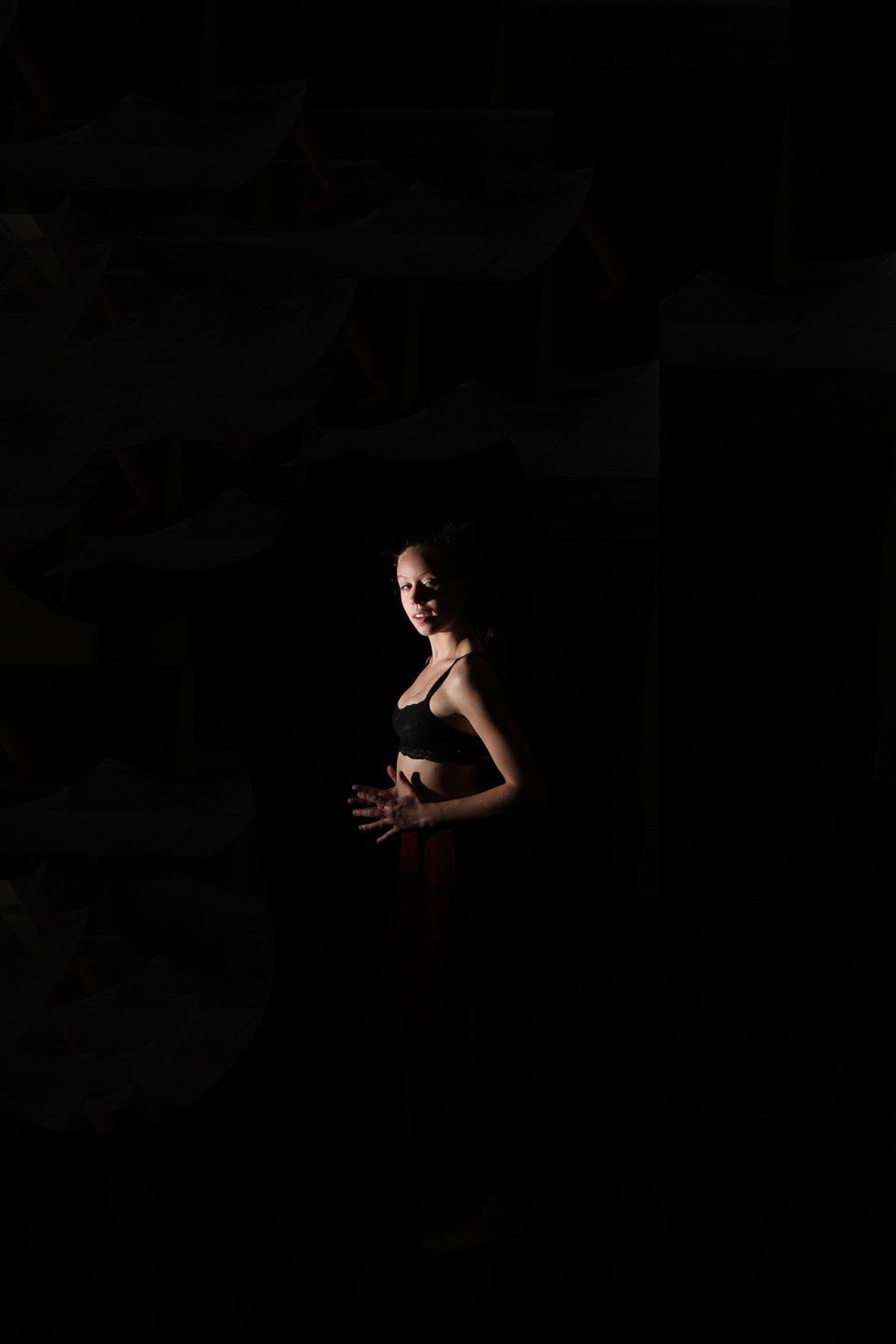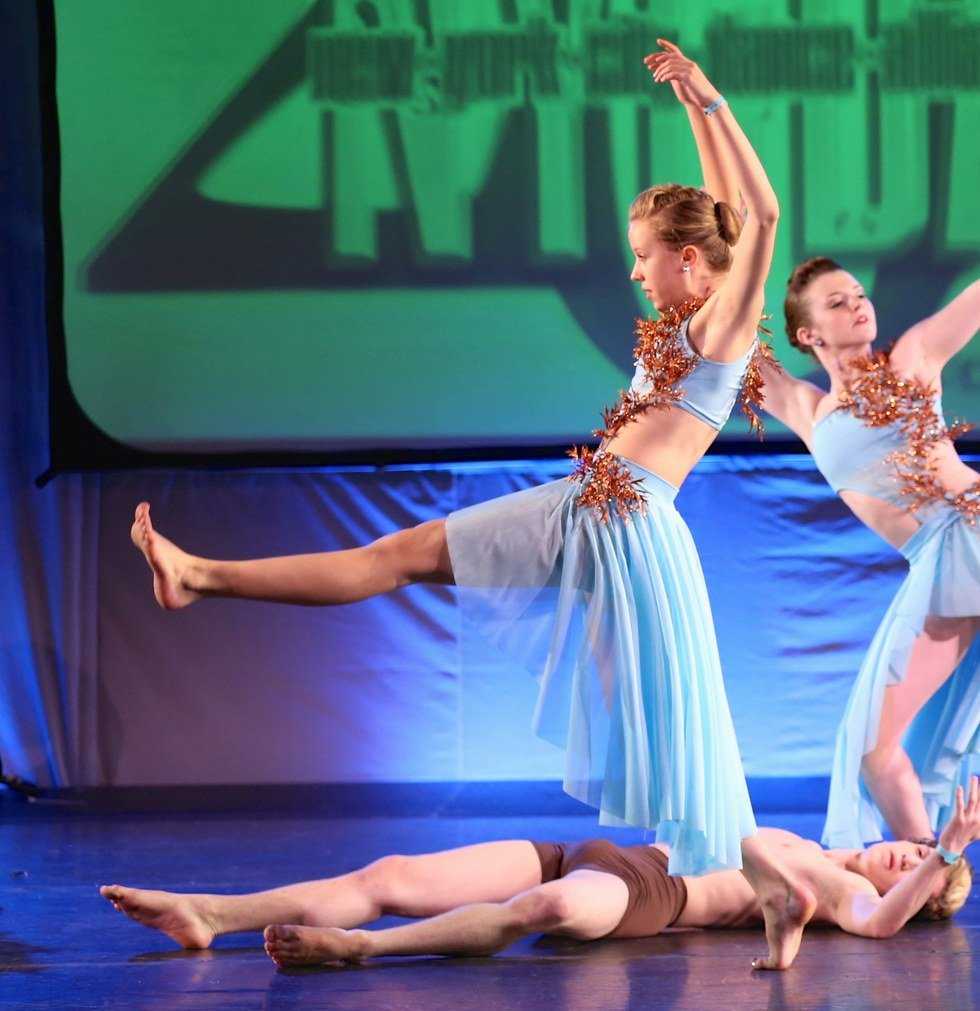
The blinding beam of the wing light shines directly into my face as I walk out onto the stage. Out of the corner of my eye I see the rest of the group taking their spots around me. I’ve done this a thousand times. The blue-ish outlines of people in the crowd, the lit faces of the judges at a table in the front, and the absolute absence of any thought. This moment is why I train; why I endure the overstretching, marley burn, and twelve-hour rehearsals. It’s the inexplicable feeling of release when the music lifts my body and a breath fills my lungs as we begin the dance.
At one point I thought this would be my life: that I would spend every waking hour pursuing the unachievable profession of a dancer. That moment on stage, at the last competition of my junior year, that future seemed possible. It was only six months later that an MRI would reveal two torn labrums in my left and right hips. I had to choose between ending my fifteen-year-long pursuit of dance and having my torn ligaments and labrum reattached to my bone.
And so, with two cartilage tears, everything that I valued about myself and envisioned myself doing was stolen. My hips prevented me from doing the most basic movements. Going to rehearsal became not only physically painful, but also humiliating. I began to dread going to the place that I considered my second home, that I spent more hours at than my school. I sat and watched as my parts in our pieces were taken over by other dancers. I couldn’t bring myself to go to ballet for fear of breaking down into tears when I couldn’t achieve a basic arabesque. Dance had always been a constant in my life. It was how I identified myself, what I coordinated my life around. I felt as though all of the hours of training had been in vain, that I was a fraud, that I couldn’t call myself a dancer or claim that I ever was one.
Shoulders down. Close your ribs. Chest up. Shoulders down. Tuck your bottom under. Rotate your hips. Shoulders down. Stomach in. Shift your weight to one leg. Point your foot. Keep your shoulders down, Emily. Now, imagine those words coming out of a stick-thin, retired Russian ballerina glaring from across the room while beads of sweat drip down my face and body. The room is slightly blurry, partly because of the moisture collecting on my eyelashes, and partly because it’s stifling hot. I can barely feel my legs at this point. “Arabesque,” she demands; I bite my tongue and contort my back, praying that my legs do not betray me.
The description of my first class at the Colorado Ballet served as the first paragraph of my admissions essay to Stanford. I didn’t write about my injury or about the desperate helplessness I felt as my perceived identity slipped away. I wrote about what I knew better than anything else: dance. The exhilaration of weightlessness in an arabesque is something that will always be a part of me. The utter euphoria of hearing a piece of music and allowing my body to capture it in movement will never leave.
My identity now is still a dancer, but it’s more than that. Identity is not what you do, but it’s who you are and how you are. The overstretching, marley burn, and twelve-hour rehearsals didn’t lead me to dancing, but it did lead me to Stanford.