We've all come across that juicy Facebook post: 88 comments, 30 likes, some angry faces, sad faces, and a thumbs-up. It's oh-so-tempting to click on the "see more" link and become the spectator of our modern era Facebook Colosseum debate battles. Depending on whether or not that particular subject sparks some passion in you, you click and comment. You're in.
I've lost friends over these clicks and comments. I've seen the best and worst of people I admire. In the social media universe, you're always a click away from a new discovery. I appreciate that our generation has a multitude of social media fora wherein we can express our thoughts, ambitions, opinions and favorite cat videos.
And yet... each click comes with great responsibility. There are rules of combat in the Facebook/Twitter/Tumblr etc. sphere: 1) Provide reputable sources from unbiased media outlets 2) Grammar mistakes:avoid them 3) Racism is not a legitimate premise for any opinion. The list goes on. There are plenty of social media battlefields in which good friends become worst enemies and the wrong comment may chase you forever. Every act is political. That is, the moment you choose to follow that news media outlet that shares all the same views as you, or decide to comment on a racist person's post, you are leaving a social media footprint. You are making a clickable public statement to the world.
Our social media footprints define the voices of our generation, of our communities. So when I see that sort of power being used injudiciously by my peers, I worry. Sure, maybe there's a lesson or two to learn about some celebrity's beef with another celebrity, and maybe that cat video is arguably the most adorable 6 seconds of your life. Yet, I believe we can and must do more with what we've got. I don't believe that social media activism is lazy. I know it's a tool for powerful change and global awareness. When you share a post about the 2016 Olympic sports events, yet neglect to acknowledge the impoverished and under-appreciated communities in Rio de Janeiro that are being destroyed and silenced by a powerful global sports organization, I might get to clicking. When the #AllLivesMatter folks and the pro-life folks decide to enter the internet battlefield, I must make my narrative known. That's not to say that my narrative is the dominant one, but I take it upon myself to reaffirm my and my community's right to share this global platform.
This year has been a daunting one. We've seen black and brown bodies targeted and executed in broad daylight. We've experienced the rise of xenophobic and misogynistic politicians. We've seen targeted violent attacks on women's health and their right to choose. It's understandable that with all the horror and despair in this globalized and unpredictable world, you'd want to use social media as a form of escape, as a safe haven. When every scroll down forces you to confront the harsh realities of the dangerous world that we inhabit (even if it's in 2 minute doses or watered-down memes), you feel trapped. In fact, some psychologists suggest that "exposure to negative and violent media may have serious and long-lasting psychological effects beyond simple feelings of pessimism or disapproval".... "such as exacerbat[ing] or contribut[ing] to the development of stress, anxiety, depression and even post-traumatic stress disorder (PTSD)."
This is why I'm here to say that Your Click Matters. Every time you share a video, write a post, stream a live feed or react to a post, you have made a decision to contribute to a narrative. For example, if you buy a pair of jeans at Abercrombie and Fitch, you indirectly support a for-profit business that is known for its discriminatory workplace practices. Similarly, if you choose to make your social media platform solely about anti-abortion articles, you are contributing to an anti-abortion narrative that extends much further than the confines of your Facebook profile; this is the social media ripple effect.
The irony in all of this is that in order for my message to get across, I rely on a community of strangers, acquaintances and loved ones to react to it, negatively or positively. But hasn't it always been that way? When we feel estranged, alone, cynical or just down-right angry with the world wide web, remember:
Never doubt that a small group of thoughtful, committed citizens can change the world; indeed, it's the only thing that ever has - Margaret Mead.
Don't believe me? Here's a short list of some social media-inspired movements that have extended far beyond computer screens.
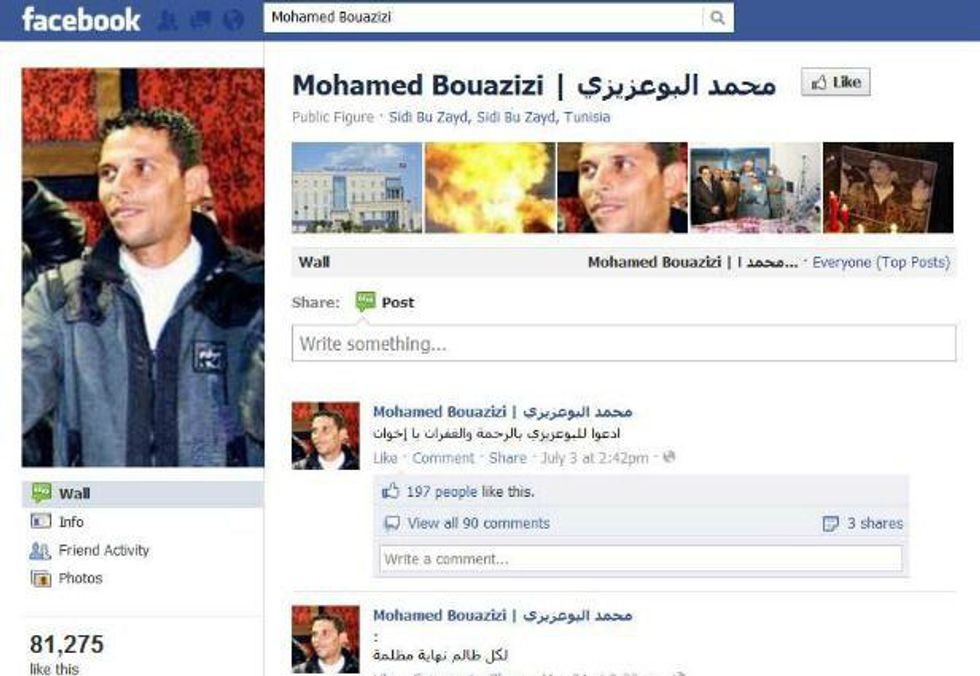
1. Tunisian Revolution, Arab Spring
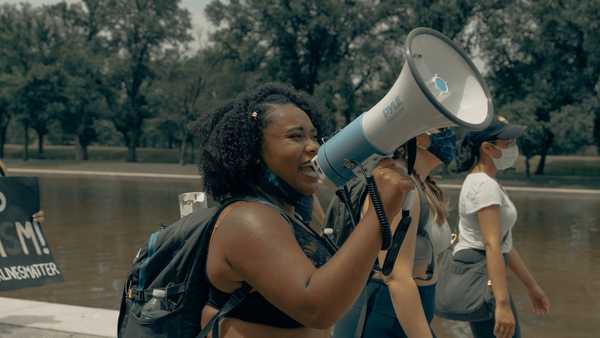
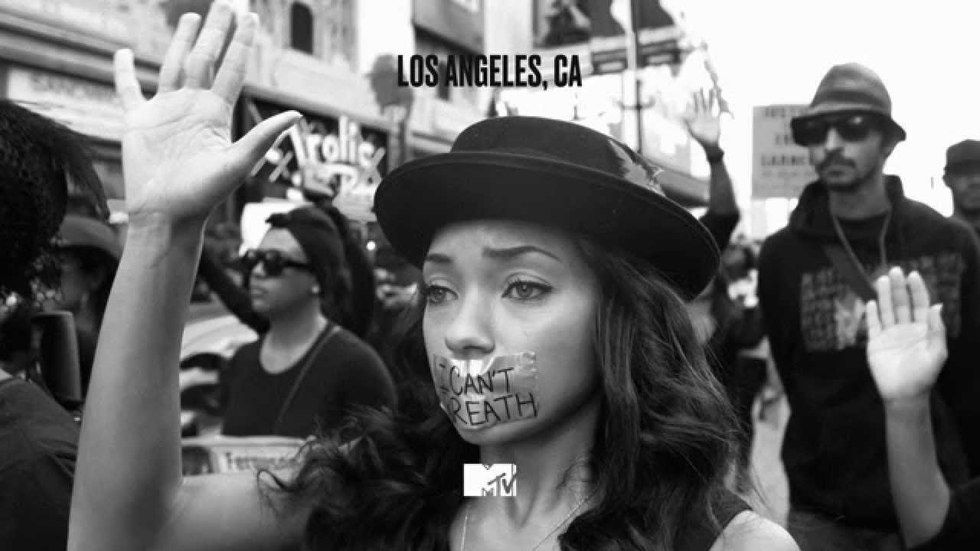
2. #ICantBreathe, Black Lives Matter Movement
3. #ThisFlag, Zimbabwe Movement

4. #JeSuisEnTerrasse, French Movement
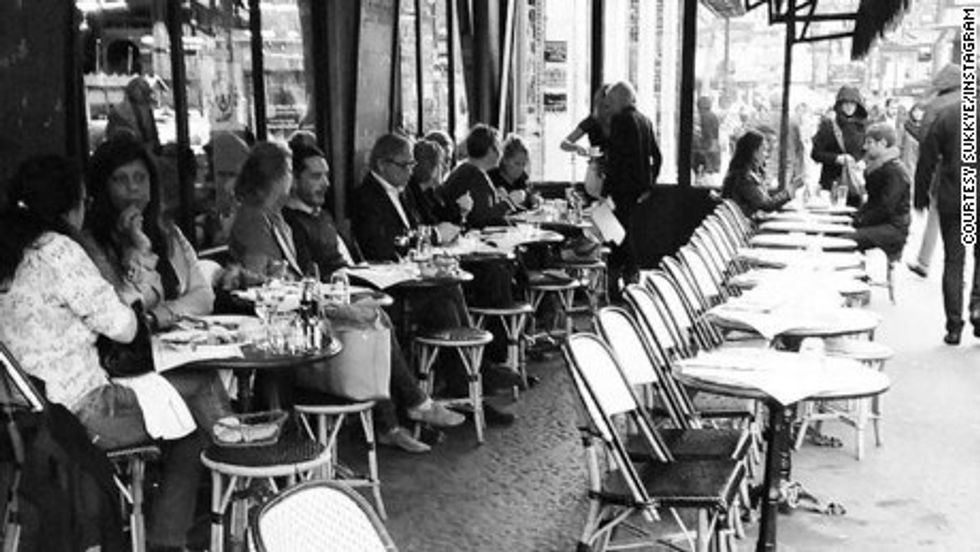
"This means "I am on the terrace" - and is a peaceful means of fighting back after Isil attempted to cause terror in the partying and dining district, and scare people off the streets... Pictures posted on social media show them defiantly and unapologetically smiling and having fun."
5. #SOSVenezuela
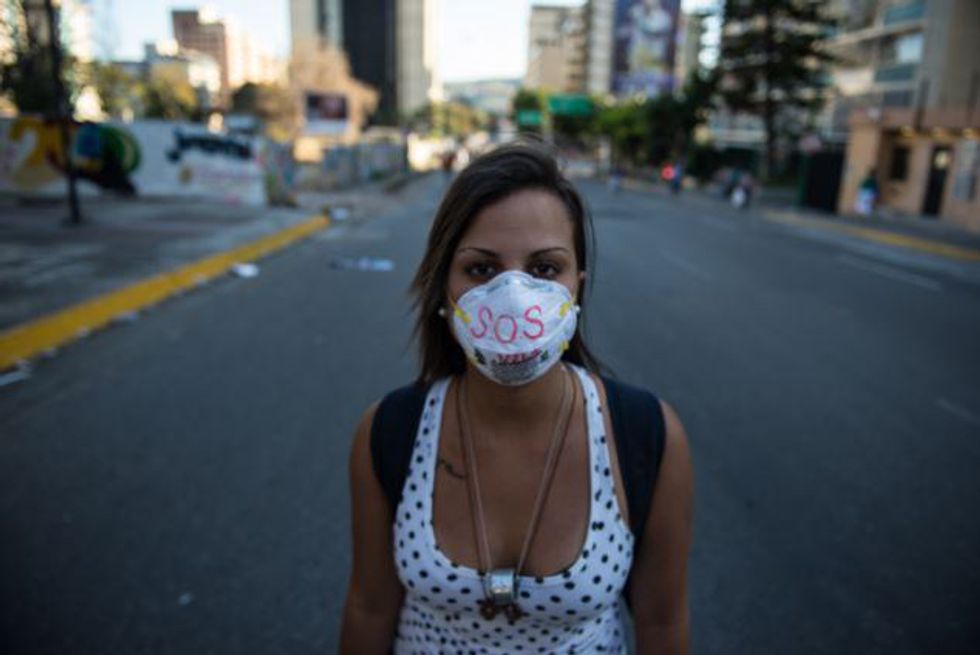
"With traditional media unable to cover the protests, citizens turned to Twitter."
Venezuelans, using Twitter, are being heard.
I implore you to use your clicks wisely. Don't give into the cynicism of naysayers who believe that your social media presence does not matter. Everything you say and do on this global interface matters. Next time you repost, "like", tweet, "reblog", or post something new, remember that you have been imbued with a social responsibility in a connected network of citizens.
#YourClickMatters.